The Whole Forest: A Unified Path for New England’s Landscapes
May. 19, 2026
A guest blog from Yale School of the Environment students
Read More


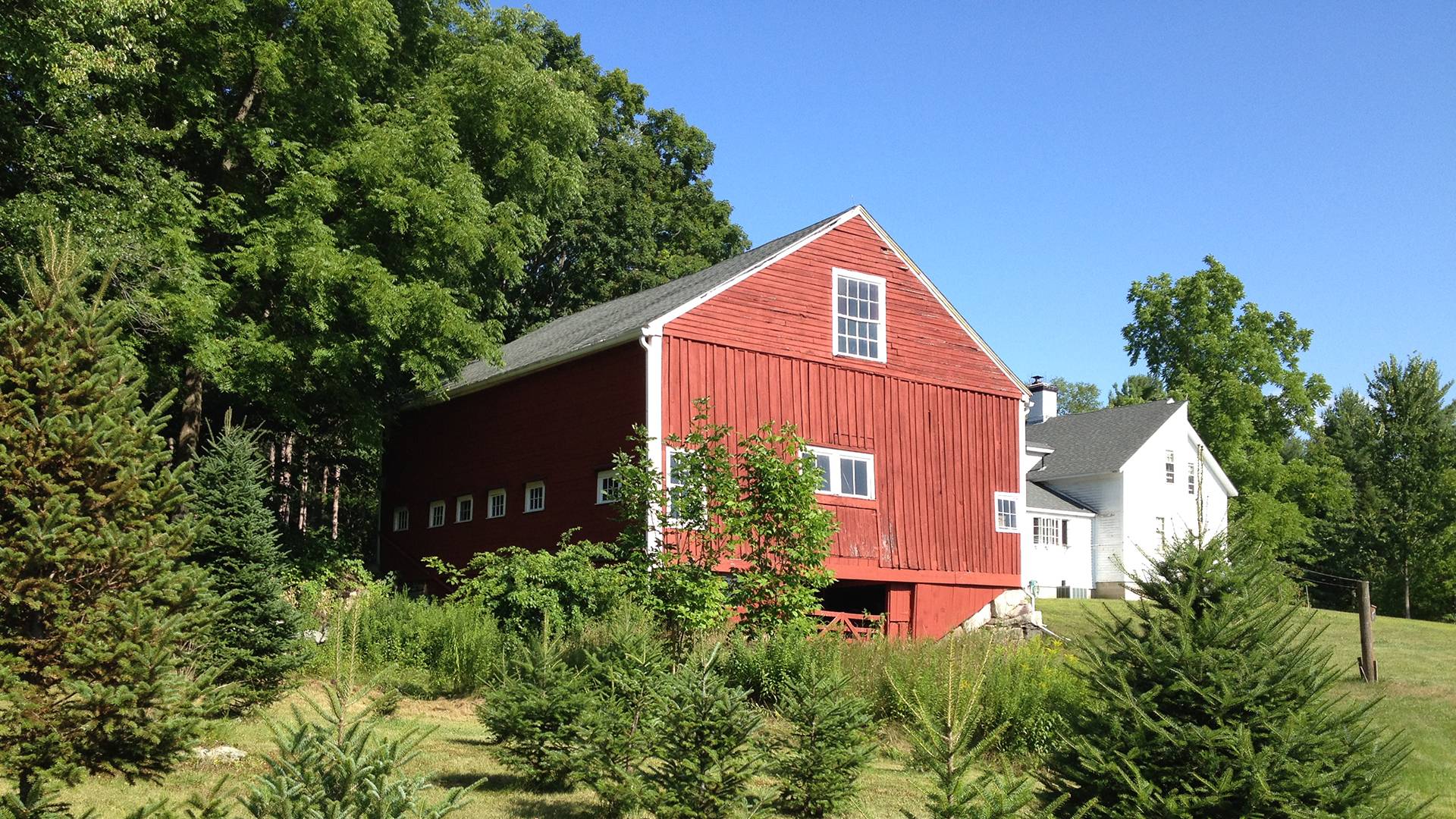
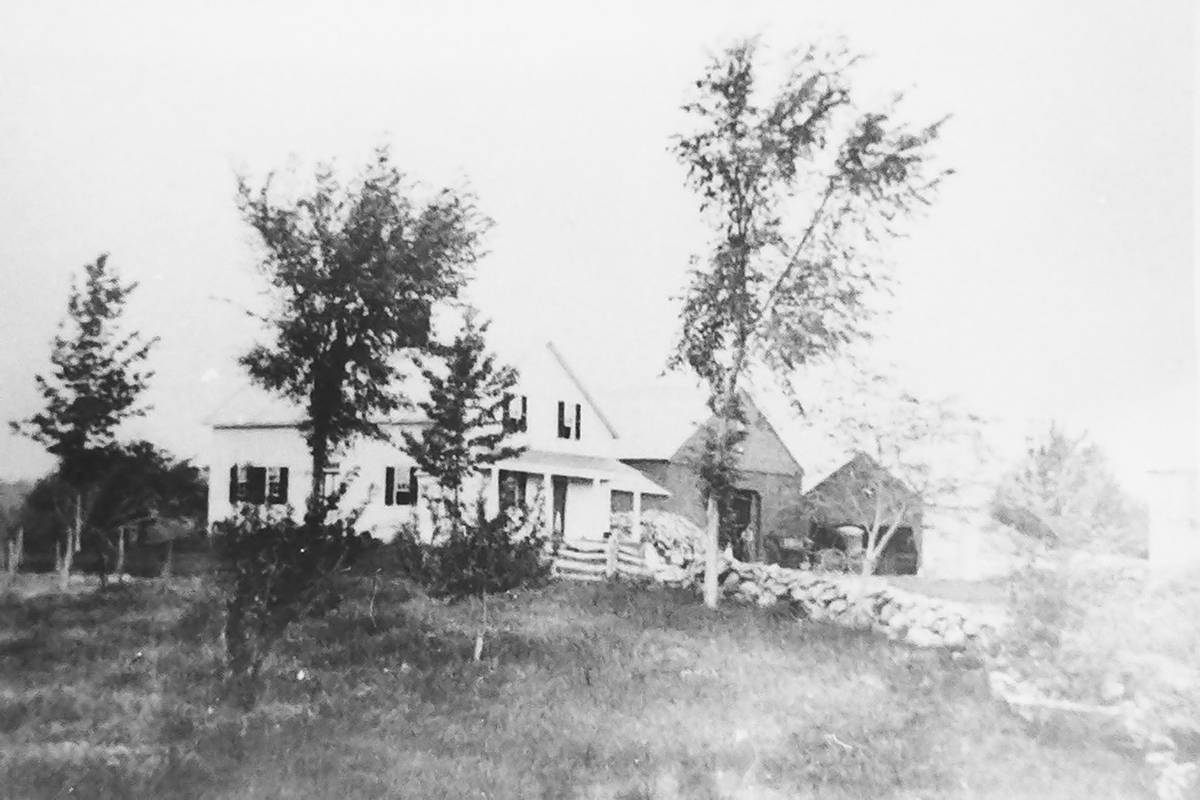
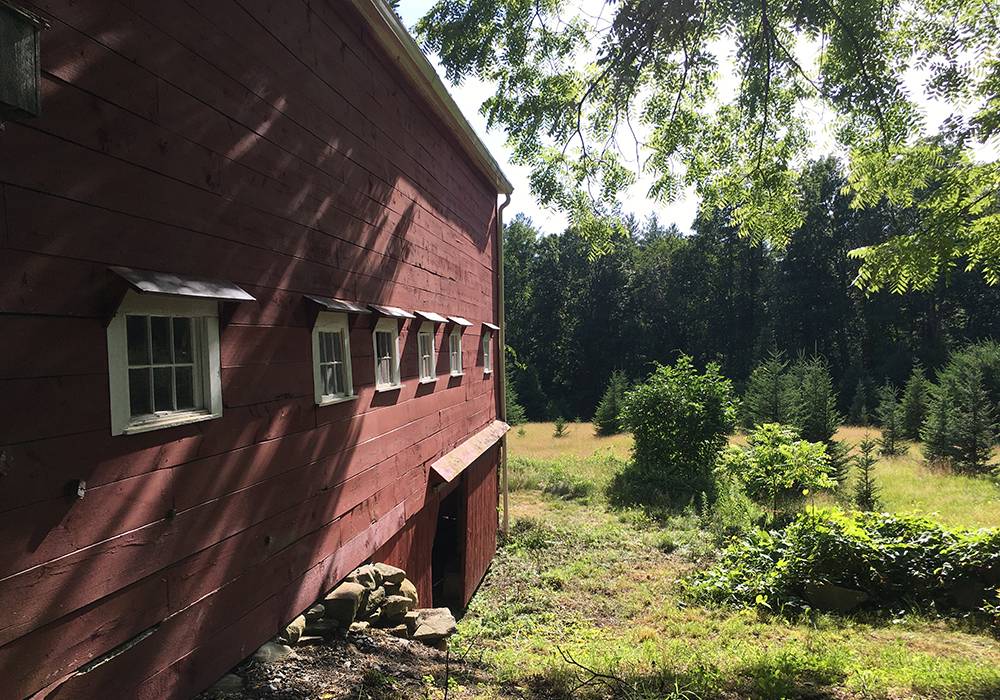
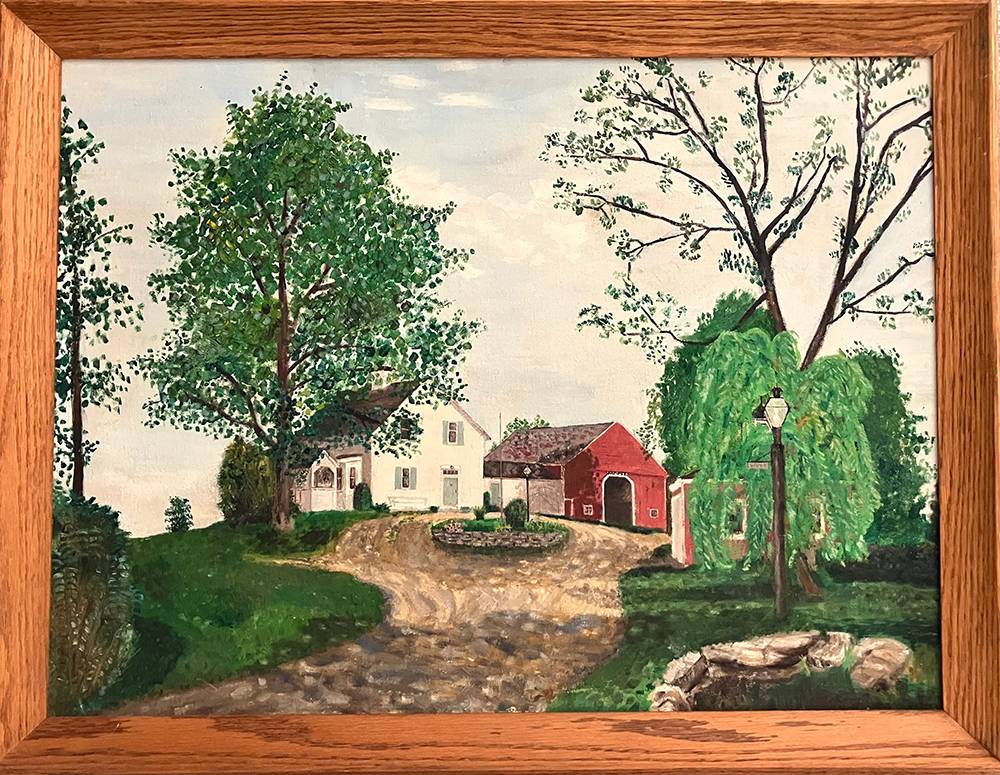
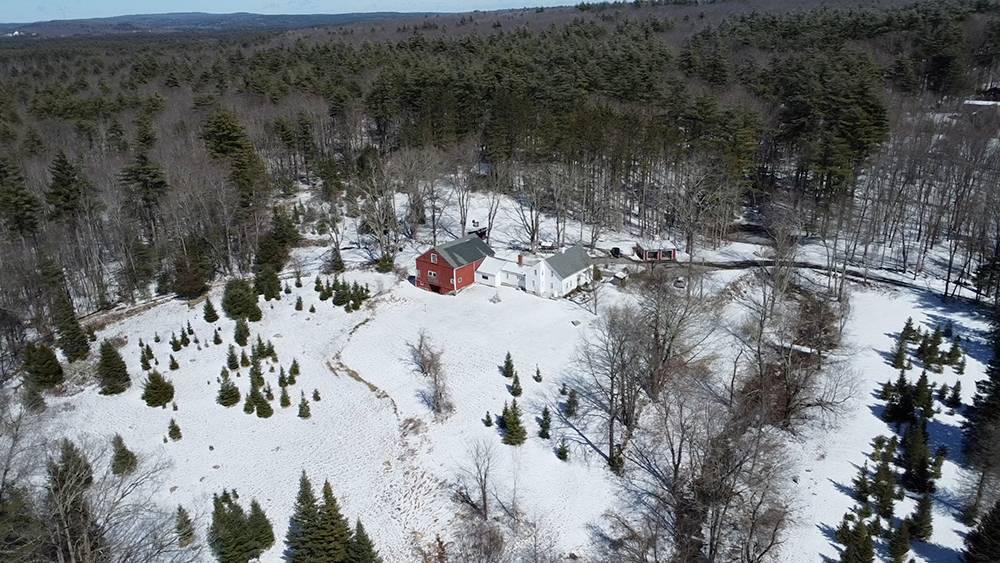
At the end of a dirt road in Townsend, Massachusetts, an 18th-century farmhouse and red barn open onto fields and woods shaped by generations of use. For more than seventy years, this was home to Edwin and Mary West — a place where daily life, work, and care for the land were deeply intertwined.
When Ed and Mary settled here in 1951, they didn’t just move into the farmhouse; they committed themselves to understanding the land’s history and rhythms. They sought out former owners, became active in the local historical society, and learned how the fields, woods, and waterways had been shaped by generations before them.
“Our parents conveyed respect for land and wildlife through their daily actions,” says daughter Sue West. “They lived lightly on the land and chose sustainable practices before the term was coined.”
Care for the land was practical and shared, woven into the rhythms of everyday life. Ed and Mary adapted the property to meet the needs of their family: keeping sheep to manage the fields, learning from neighboring farmers, and tending to the land season by season.
“Our family grew a winter’s worth of vegetables in our garden each summer,” says son Andy West. “My mom loved to tend flower gardens with native and old-homestead plants. We harvested concord grapes from the resident grape vine and bosc pears from the ancient pear trees. My dad learned how to raise honeybees. The most significant crop, however, was Christmas trees.”
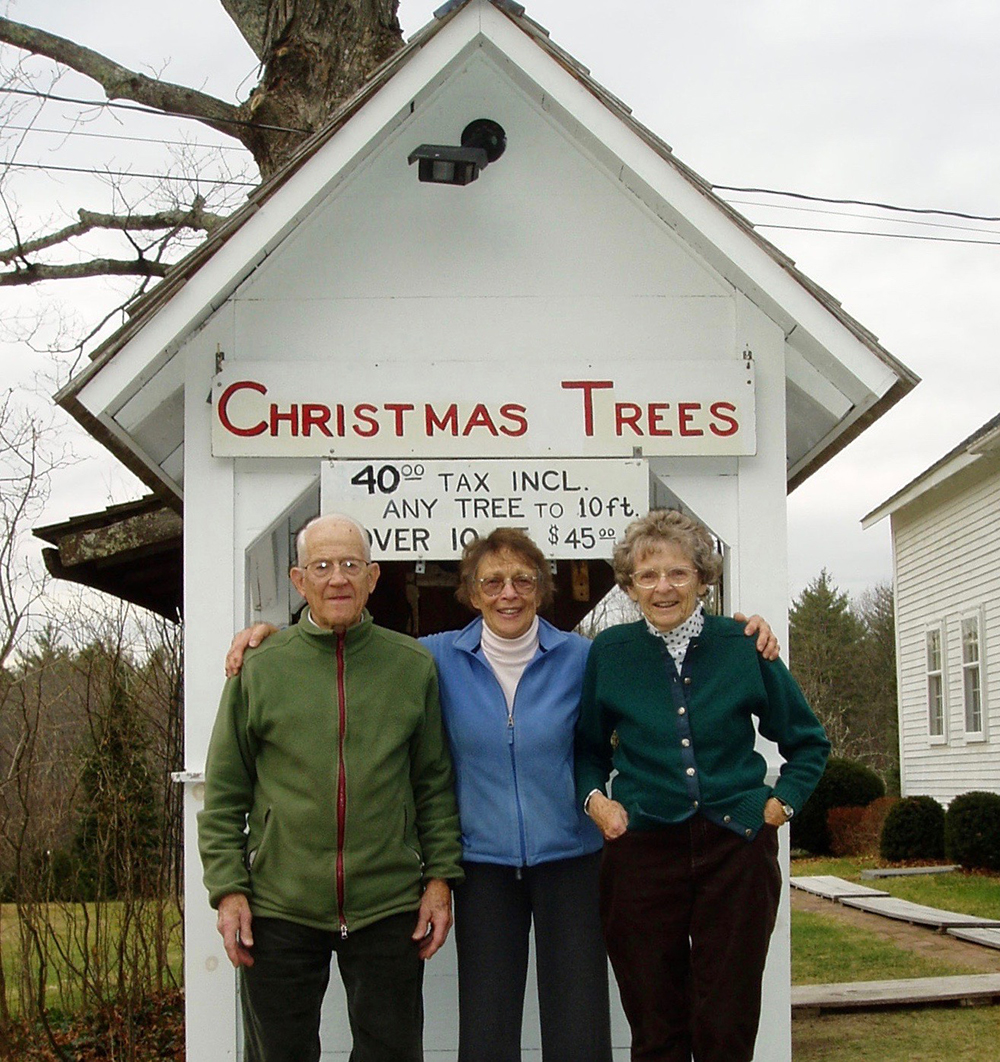
Ed West (left) and Mary West (right), with Ed’s sister between them, in front of the sign advertising Christmas tree prices. The West family sold Christmas trees from the property from the early 1950s through 2021. Photo by Sue West.
Winters revolved around Christmas trees — balsam fir and spruce that families cut themselves year after year. Some trees were already growing when Ed and Mary settled on the land in 1951; others were planted each spring in careful grids and pruned through the summer so they would grow into well-shaped trees. For many decades, Christmas trees remained a central part of life on the property, drawing families back season after season. The family continued selling trees until 2021.
“My dad treasured his customers,” says Andy. “He would remember their faces and call them by name. I have fond memories of marching through the snow with families to help them cut their trees.”
“I loved that job,” says Sue. “When a car drove in the driveway, I would put on my coat and boots and grab a saw. During those hours walking with each family, I learned so much about how each family interacted with each other and who was really in charge when choosing a tree.”
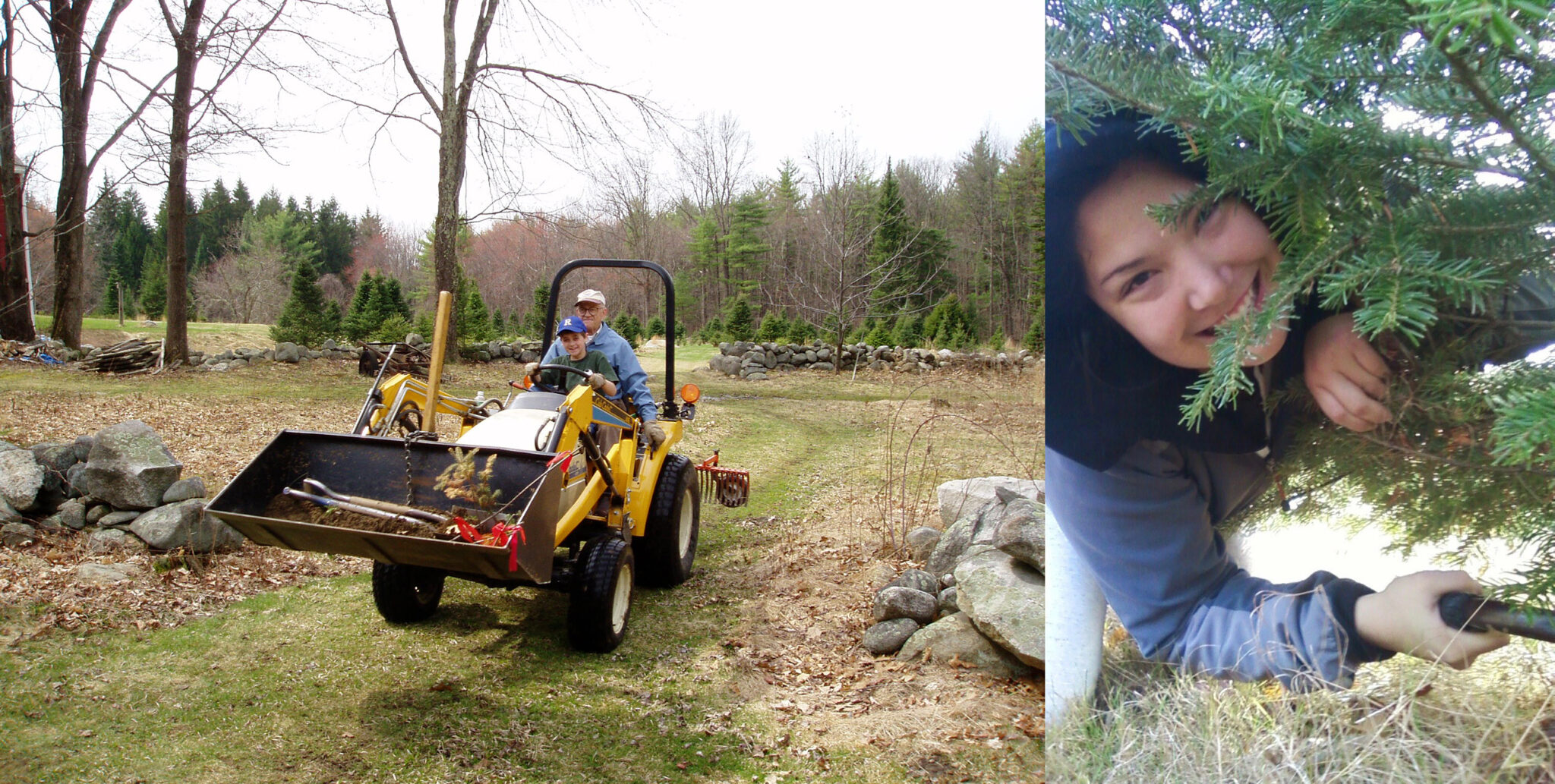
Grandchildren learning the rhythms of the Christmas tree farm, from tractor rides with grandpa to planting and harvesting balsam trees through the seasons. Photos by Sue West.
For the West children, now grown and with families of their own, the land was both playground and teacher. They roamed the fields and woods freely, learning the land’s quiet complexity through stone walls, old roads, and shifting forest types. Those memories varied from sibling to sibling, but all were rooted in close attention.
“My siblings and I enjoyed exploring the land that was farther from the house occasionally,” says Sue. “We hiked down into the woods on a trail that was bounded by stone walls, past a thick white pine stand we called ‘The Black Forest’ because it was so dark — and scary. My dad kept the first part of that trail mowed, and we cleared branches off the lower trail periodically.”
“I would search for bullfrogs at the edge of the pond,” says Andy. “When the brook would run high, I would drop in sticks upstream, then run across the driveway to watch them pop out of the culvert and continue down the flow.”
“I remember the sounds, smells, and sights of high summer especially,” says daughter Ginny West. “Fireflies everywhere, the smell of rich garden soil, the call of whippoorwills and barred owls in the evening, and when everything else was quiet, the soft sound of wind in the trees.”
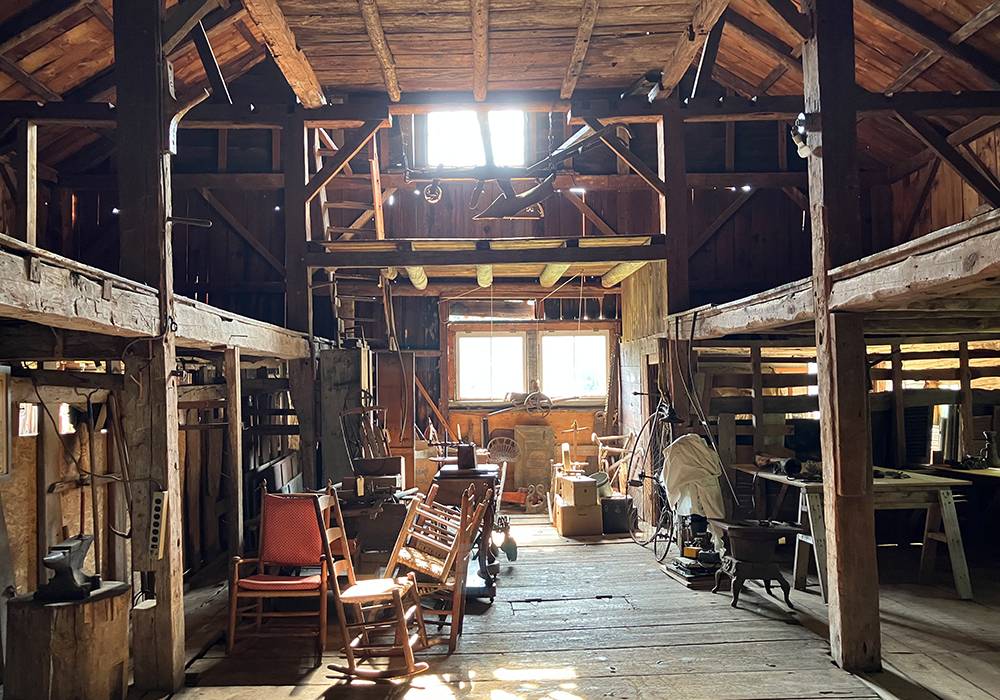
Wildlife was also part of daily life: foxes, porcupines, deer, coyotes, raccoons, turkeys, occasional bears, bats in the barn rafters, and, in more recent years, sightings of fishers and bobcats.
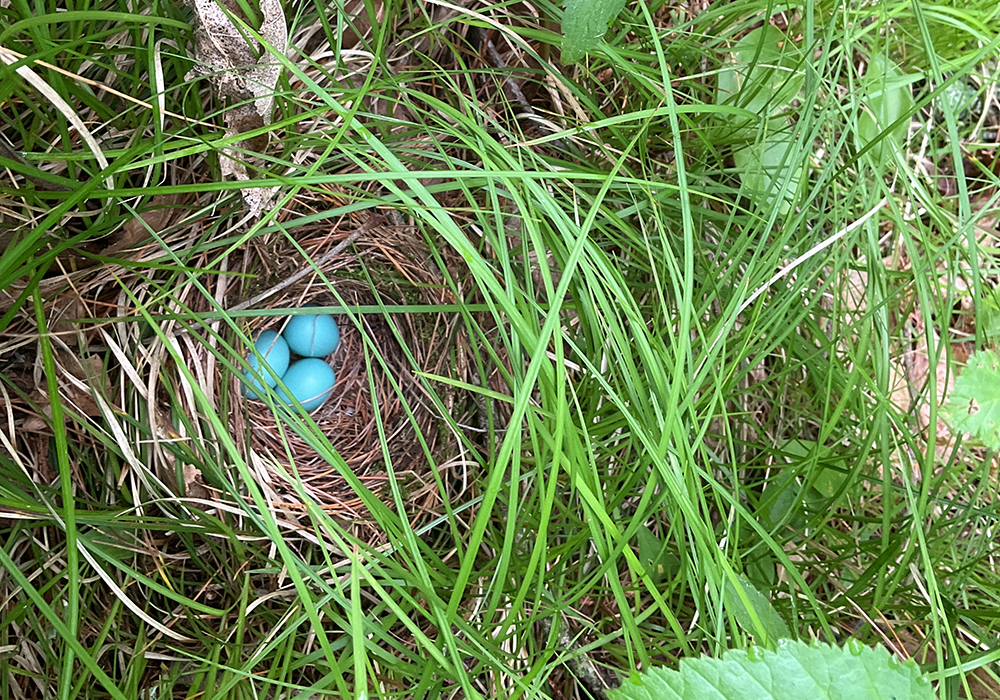
A bird’s nest tucked along the edge of the trail. The light blue eggs may belong to a hermit thrush, a species known to nest on the forest floor. Photo by Andrew Bentley.
“I loved how our dad patiently held bird seed in his hand when the chickadee flocks came near the feeder,” says Ginny. “There were several chickadees that remembered what he looked like and came to his hand more quickly than the others. He always offered a chance for grandchildren and others to hold their arms out with their palms filled with seeds so they could experience the magic of having the chickadees trust them.”
As the children grew older, the land revealed signs of earlier lives and uses.
Two ancient roads diverged behind the barn, one leading over adjacent Townsend State Forest toward a former mill site on nearby land, where a dam made of cut granite still marks the place. Another ran down toward a marsh, crossing a hand-laid granite culvert — likely more than a century old — still doing its job. In places, stone walls lined the way, and large boulders left by glaciers sat like punctuation in the understory.
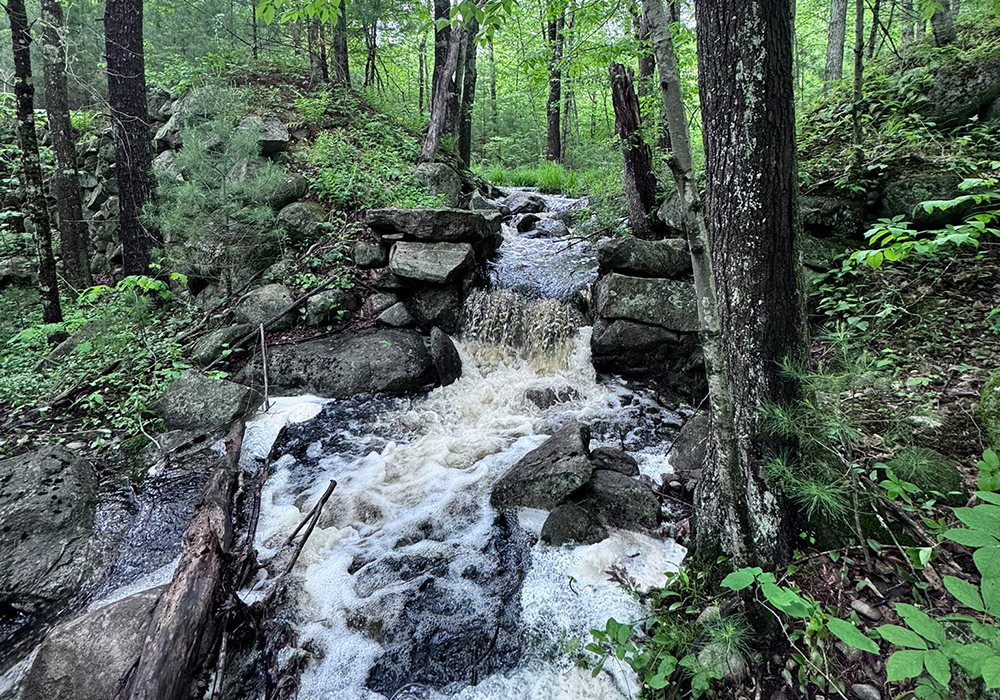
The remains of a former mill site on adjoining land, where a cut-granite dam still channels fast-moving spring water. Photo by Andy West.
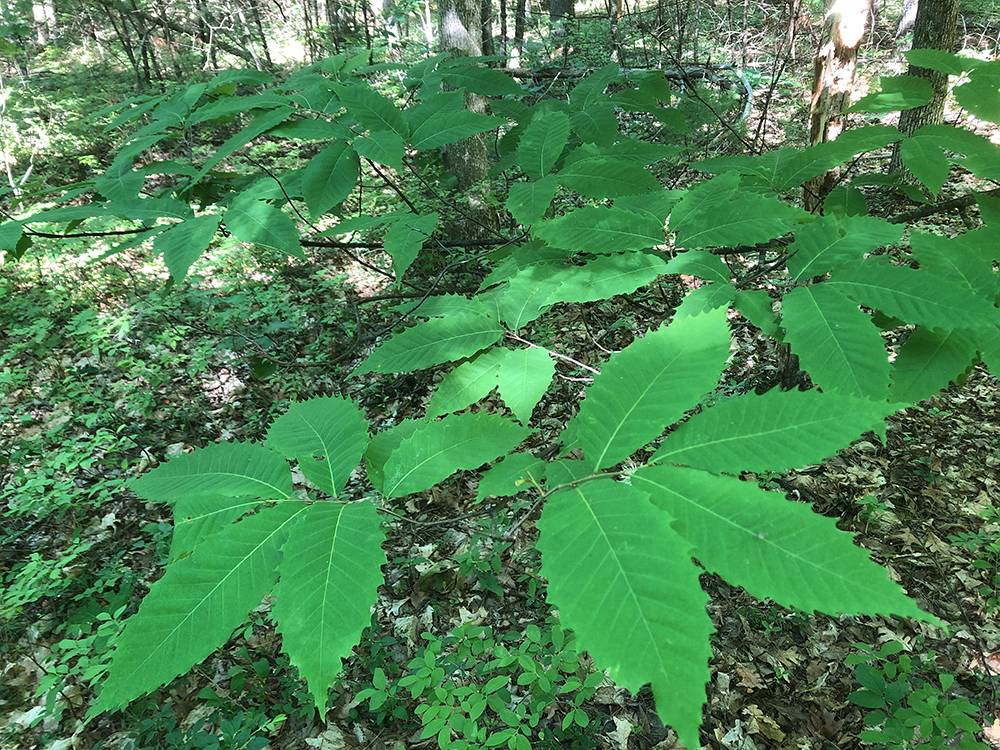
“I know now that I noticed and admired the variety of plants and species on the property,” says Andy. “In the fields were bluestem and wavy hair, native grasses. In the lane and farmyard, there were maple, black walnut, chestnut, willow, linden, oaks, and elm, along with red pine, white pine, hemlock, and cedar. The property hosts multiple mini-cultures. High in the top of a field, the soil is acidic and shallow. The land then transitions to a humid pine forest. Yet another spot is boggy and wet.”
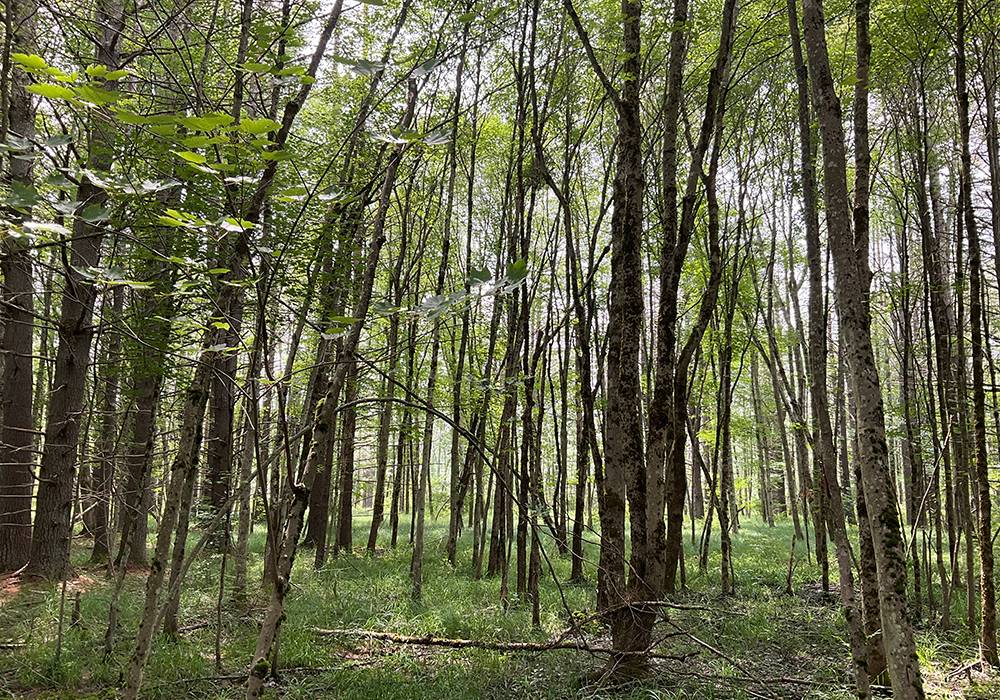
“My brother, like me, has spent many hours walking in different forests, watching for signs of how the land was shaped by human use, storms, or succession,” says Sue. “After reading and watching Tom Wessel’s work, I realized the white pines in the forest we called ‘The Black Forest’ were all approximately the same age. Bordered by stone walls, it’s a good possibility that it had been grazed, possibly by sheep, for many years before the white pines moved in.”
Even the edges of the property told stories about how the land had once been used, and why it looked the way it did.
“The reason why the land boundaries extended so far (in a narrow strip) toward the Briguglio farm was to include a patch of low land where marsh grass grew,” says brother Ted West. “I was told that the marsh grass used to be harvested for livestock bedding by former owners.”
Over time, the family came to understand that their role was not just to enjoy the land, but to care for it for the long term. In 2006, when the opportunity arose to place a conservation restriction (CR) on the property, Ed and Mary embraced the idea, making a deliberate decision to protect the landscape they loved beyond their lifetimes. They worked with NEFF and the Townsend Conservation Land Trust (TCLT) to put those protections in place and revisited the CR in 2020 to further safeguard the land around the home and Christmas tree fields. In 2023, TCLT merged with North County Land Trust, which now co-holds the CR with NEFF.
“Since joining NEFF in 2017, I have looked forward to visiting the West property each year, to meet with Mary West before her passing and hike the land and its variety of habitats — great for birding, I must add — in the wonderful company of her family and very often the next-door neighbors who served on the board of previous co-holder TCLT,” says Andrew Bentley, NEFF’s Conservation Easement Director. “Ed and Mary’s sons and daughters have beautiful stories of growing up in harmony with the land, and it was such a privilege in 2019 and 2020 to work with Mary and her conservation-minded family to strengthen the CR.”
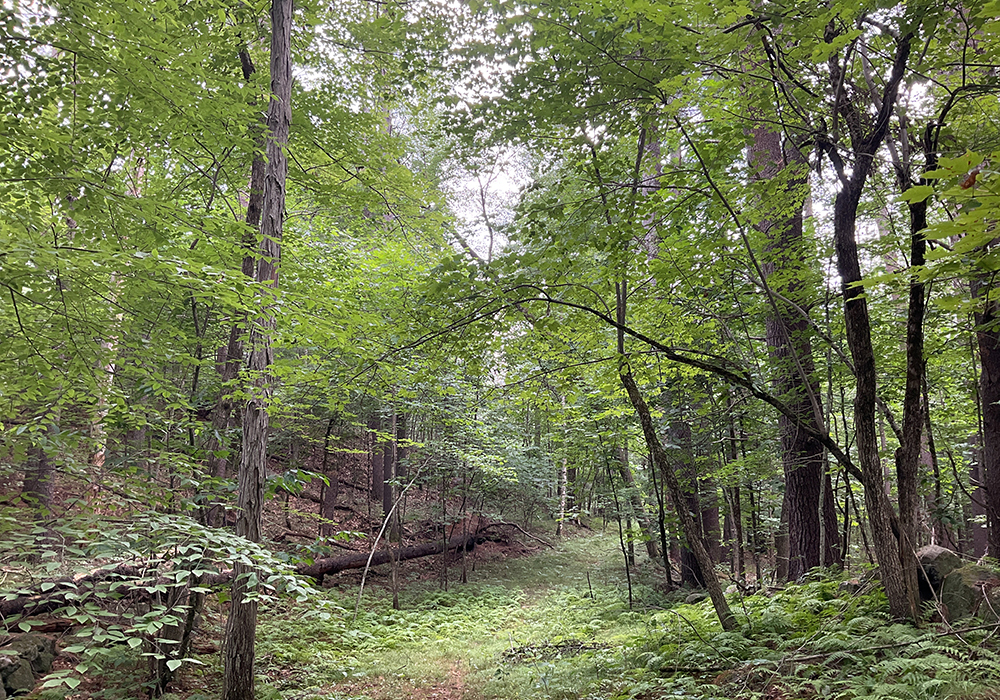
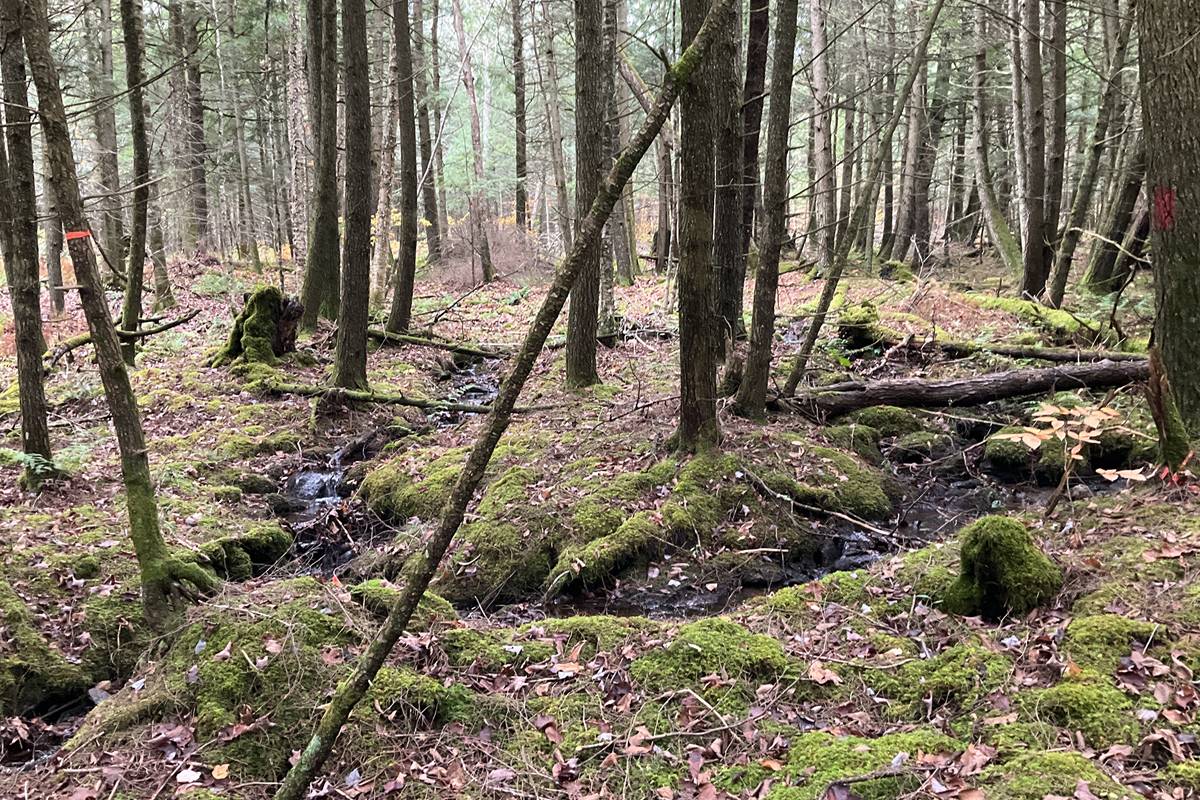
An old woods road, winding toward the forested wetlands on the western edge of the property. Photo by Corey Wrinn.
After Mary’s passing in 2023, the family faced the difficult task of selling the property. In doing so, the siblings shared a common hope: to honor their parents’ legacy by finding new owners who would serve as responsible stewards of the land, confident that the CR would continue to protect it beyond their ownership.
“We wanted someone who would honor the past human history of the land and be stewards of the natural realm,” says Andy. “I see the same spark in the new owners as that which, I imagine, drew my parents to this property.”
“It means a lot to me to know that this land will be protected and cared for,” says Sue.
Ownership has changed, but the conservation restriction endures, ensuring that the land the West family loved will be cared for long into the future. The farmhouse and barn remain, the brook still runs, and the woods continue to grow — bearing the imprint of a family whose care shaped this land for generations.