Star Singer of the Northern Forest: The Wood Thrush
Jun. 18, 2026
Learn about wood thrush natural history and conservation, and how a NEFF…
Read More


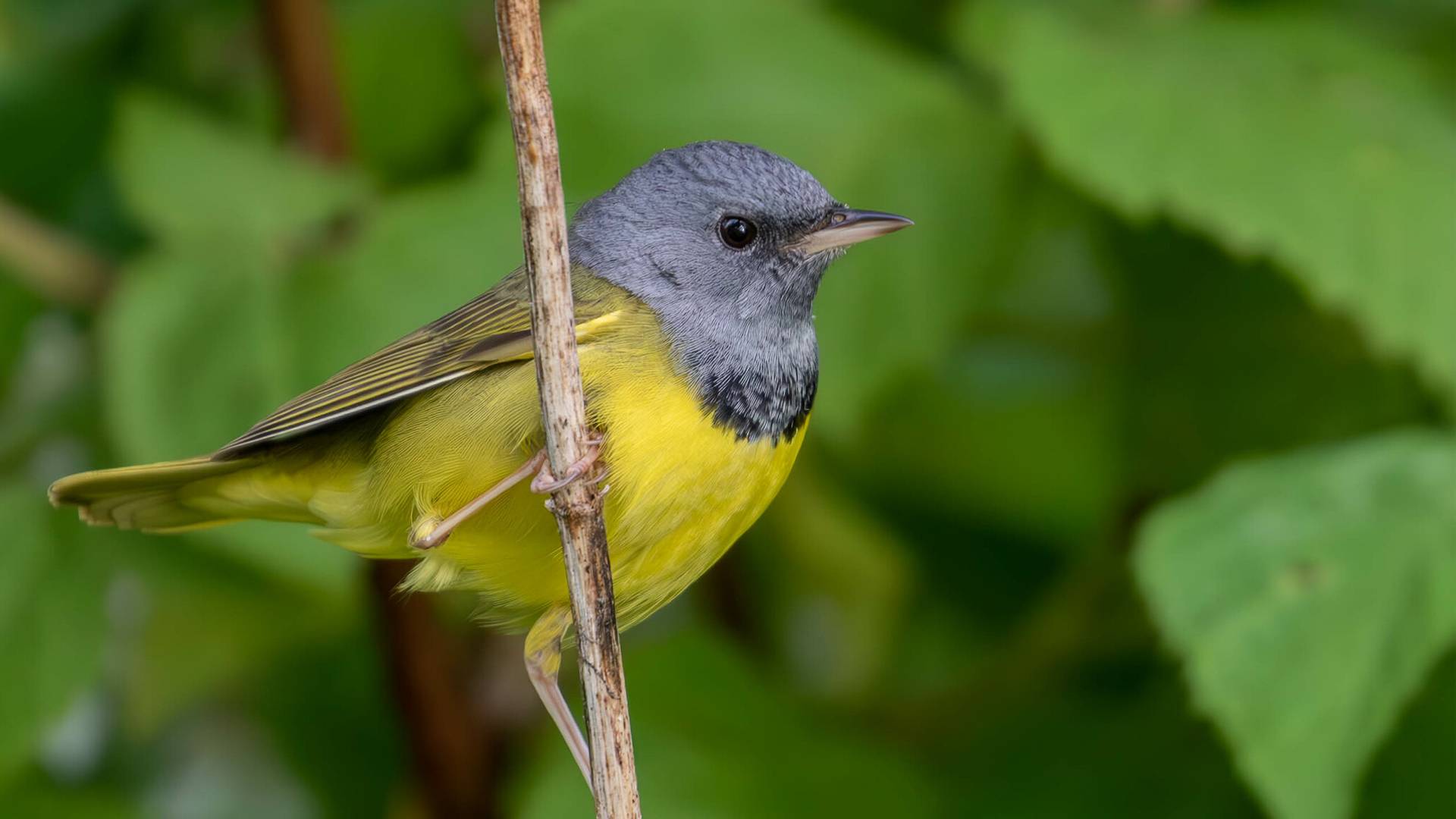
NEFF’s Western Maine Habitat Restoration Program is running a study in partnership with Maine Audubon and Mahoosuc Land Trust that tracks migratory bird use — by recording birdsong — on three enrolled properties prior to landowners implementing forestry practices. This creates a baseline, as forest habitat quality and diversity should later increase when landowners start using NEFF’s Exemplary Forestry approach; future studies can be measured against this baseline and determine shifts in species. The project is funded by NEFF with support from the National Fish and Wildlife Foundation.
NEFF has been given permission to repost a delightful April 13 blog post by James Reddoch, a Bethel, Maine, bird enthusiast and volunteer with this bird habitat project. Give it a read to learn more!
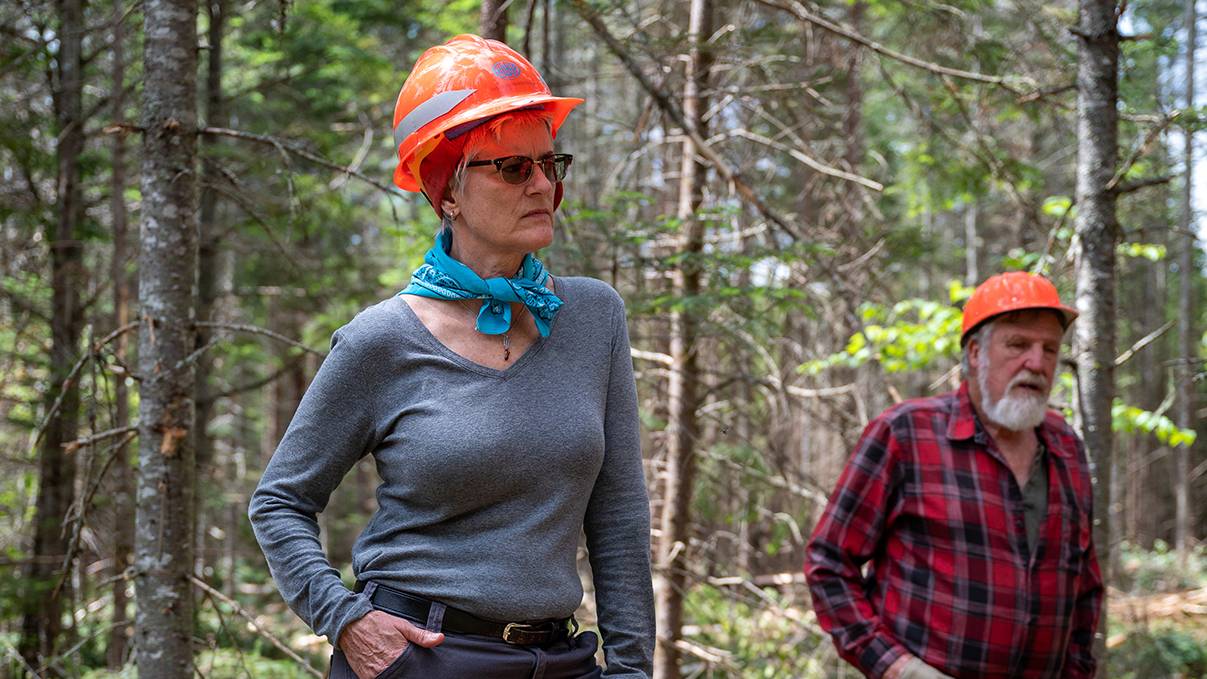
A group of us fanned out searching for a particular tree in a remote corner of the McCoy-Chapman Forest. This specific tree, along with five others, was scattered among the tens of thousands in the 493-acre forest preserve. It had been selected in the fall of 2023 with the help of a team of biologists, conservationists, and ornithologists from Maine Audubon and the New England Forestry Foundation as part of a songbird monitoring project.
Now in the early spring of 2024, we were having trouble. Everything looked different with the leaves emerging. Poor cell coverage in the deep ravine meant the digital mapping app we were using wasn’t working properly, and the orange tape used in the fall had been biodegradable.
“It should be right here!” one volunteer shouted.
“The map says we should be right on top of it,” claimed another, staring into his cell phone. Others silently swatted at blackflies or untangled themselves from saw briars probably thinking, So this is what field research looks like?
“Found it!” someone finally shouted, holding up an almost microscopic piece of fluorescent tape still clinging to our target tree. After back slaps and congratulations, we quickly deployed the Autonomous Recording Unit (“ARU”) assigned to this location, then tromped off to look for our next site—luckily, the next trees were much easier to find.
The ARUs would now do their work, recording spring bird songs starting 45 minutes before dawn and continuing for an hour and a half after sunrise for the next few days. Over the season, our team of nine volunteers took turns helping install, move, and ultimately recover and return the ARUs to the Maine Audubon researchers.
All of this was done to help determine if the forest management practices being used at the McCoy-Chapman Forest are achieving their goal of improving forest habitat. Birdsong is seen as a good measure of the overall health of a forest—the more bird songs detected, the better!
Now, the data from last spring’s efforts is in:
In addition to the Mahoosuc Land Trust’s McCoy-Chapman Forest, two other sites in our area are participating in this project: Inland Woods + Trails and the Smith Family Farm. Together, these locations registered a total of 83,000 recordings from more than 90 different species of birds.
This past year was just the first recording phase. We are now preparing to redeploy the ARUs again this spring, and we can’t wait to see what we’ll learn.
A big thanks goes out to those who have helped with this project so far. And if, after reading this article, you still find yourself curious about field research, consider joining us. It may not be glamorous, but we wear the bug bites and briar scratches with satisfaction, knowing we are making a small contribution to research that helps us better conserve the natural treasures we have in Western Maine.
View the original post on the Mahoosuc Land Trust website.