Landmark Deal Marks Step Toward Permanent Protection for 500 Acres of Rare…
Jun. 23, 2026
NEFF and Irving Woodlands Maine have signed an agreement to defer timber…
Read More


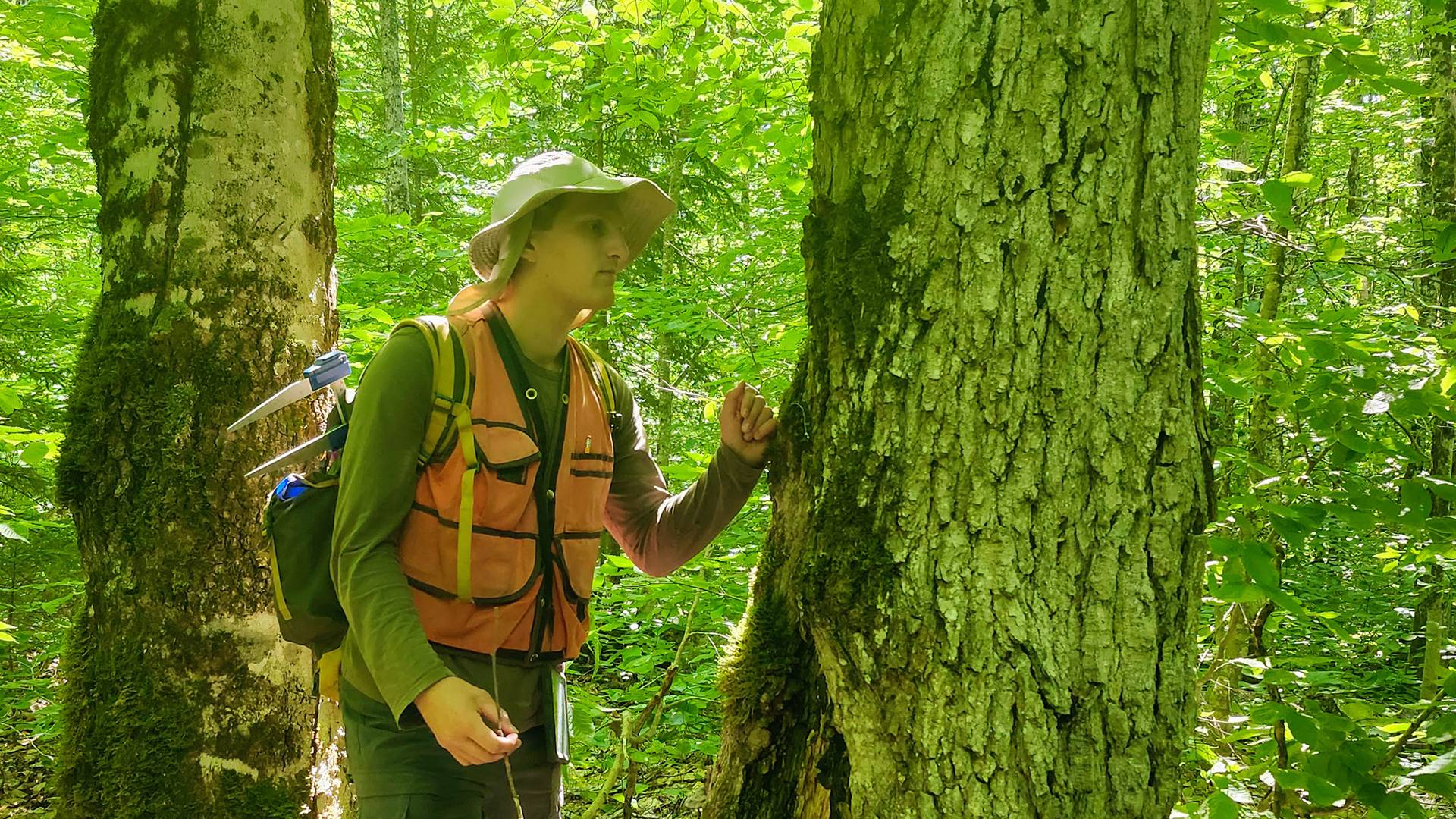
The U.S. Forest Service awarded NEFF $4.3 million in December 2024 to help Maine forest landowners protect the state’s oldest forests, called late-successional and old-growth (LSOG) forests. The grant does not provide funds to buy these lands outright, but to delay timber harvesting of LSOG to provide time for longer-term conservation efforts to develop. The grant also funds the implementation of sustainable forestry practices on nearby lands that will help accelerate timber production, store carbon, and protect ecosystem health and biodiversity. We’ve got good news about this work: NEFF’s new Conserving Maine’s Oldest Forests initiative is making excellent progress.
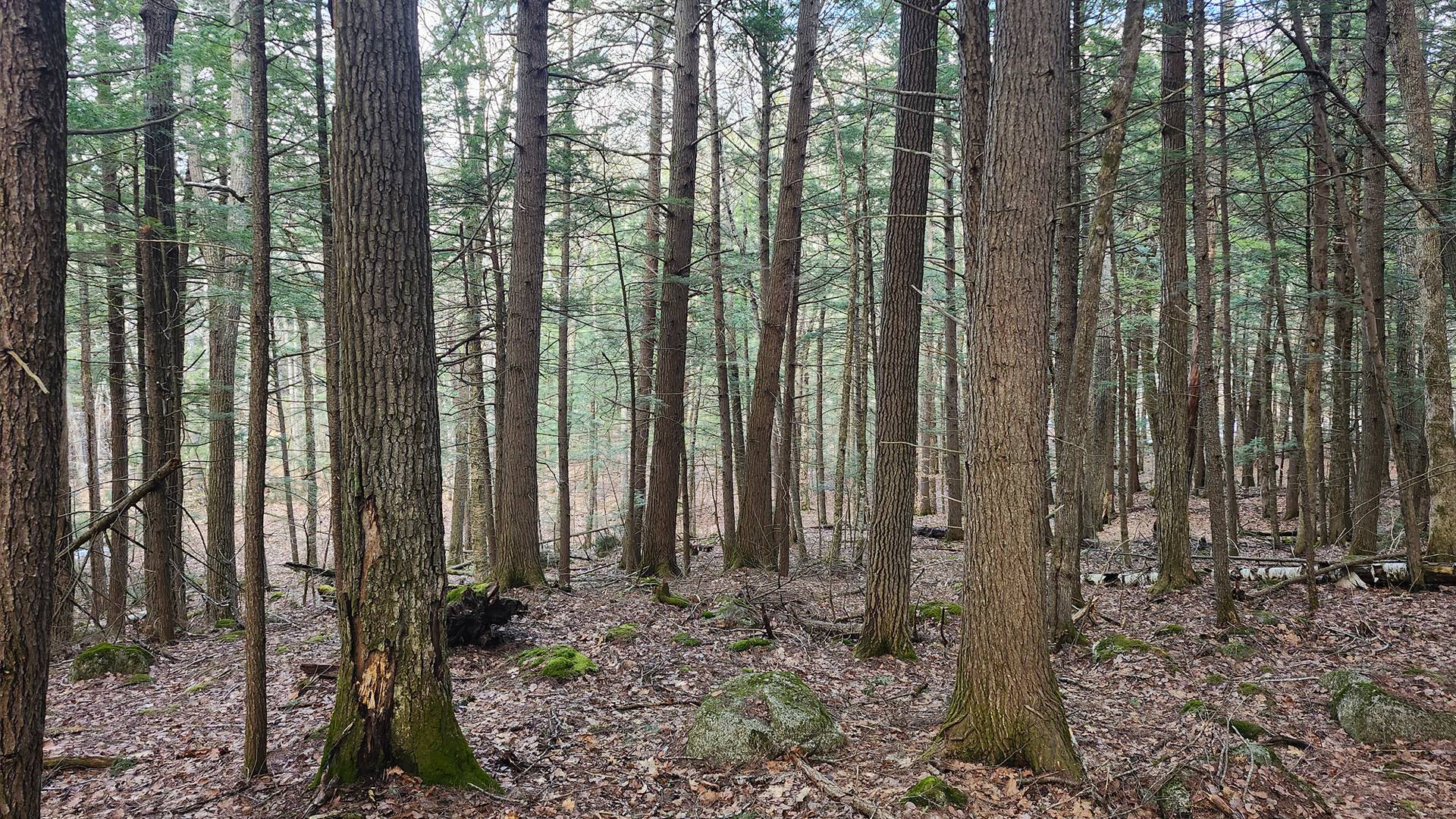
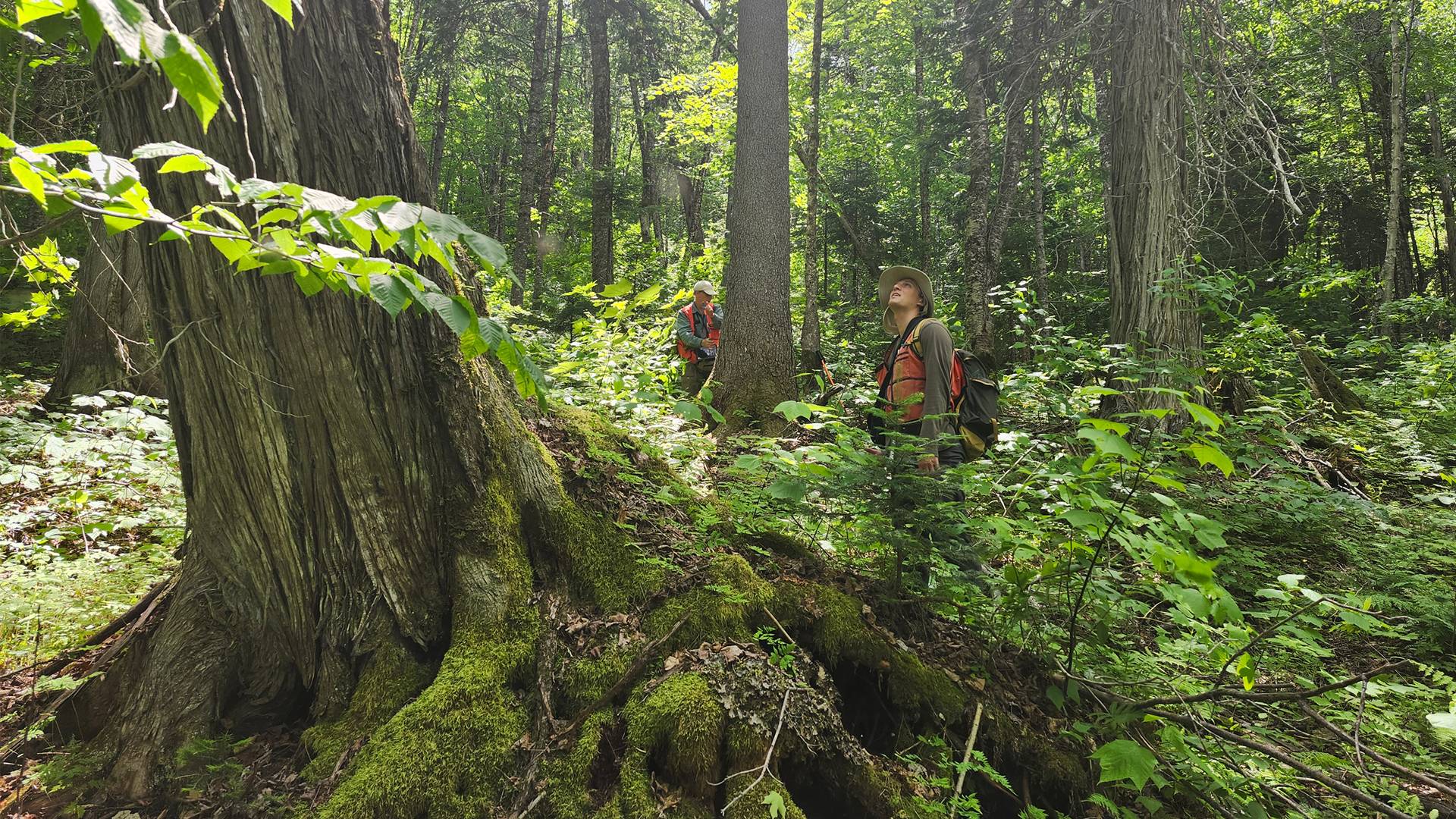
NEFF kicked off discussions with forest landowners about LSOG timber harvest deferrals in March 2025, and since then we have visited and discussed a fascinating array of these old natural forests. They range from landscape-scale parcels deep in the North Maine Woods to smaller patches in gullies or rocky slopes in Maine’s southernmost counties. These forests each primarily formed naturally, and not as a result of agricultural or logging activity. It’s exciting and surprising to still find old forests in such diverse locations.

We are learning that landowners across the spectrum, from the largest industrial owners to family-owned logging companies with a small land base, are very interested in monetizing the conservation value of older forests. They recognize the uniqueness of these forests and have often deliberately pushed them down the priority list for harvesting, but sooner or later the pressure to receive revenue from these acres comes to the fore.
NEFF is currently discussing harvest deferrals with four landowners, two with large acreages and two with small. Negotiating these payments is complex and centers on the value of the timber that the landowner intends to harvest in the near future. Once this information is in hand, NEFF and the landowner will discuss how to discount the value for the deferral period (5-15 years, though NEFF is flexible) and which additional cost factors need to be considered.
We anticipate signing the first agreements on timber harvest deferrals this spring.
Crucially, these deferrals are only the beginning; they must be followed by long-term or permanent conservation arrangements. NEFF has spoken with many conservation organizations about finding resources for conserving Maine’s oldest forests, and we will also be exploring opportunities in the carbon market to craft LSOG-focused offset projects, though we anticipate this will take some years to develop.
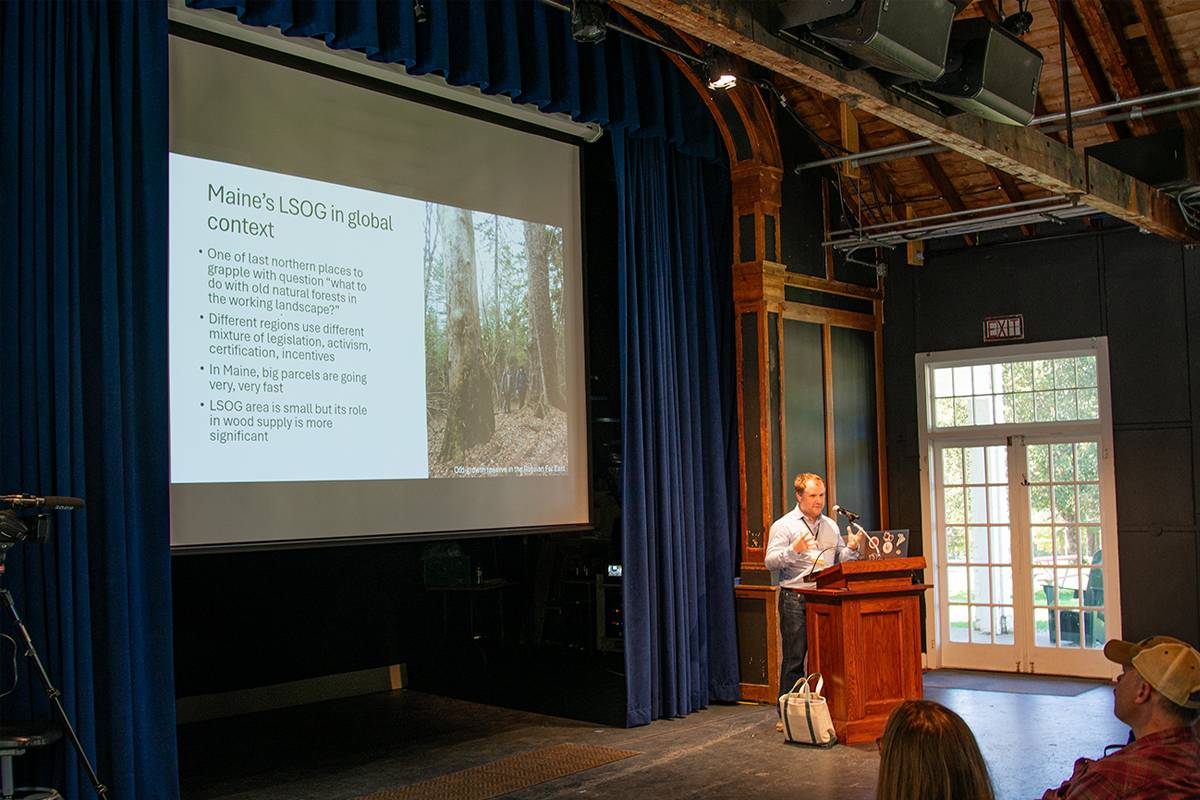
NEFF’s USFS grant is a starting point in a multi-year process to conserve Maine’s crucial LSOG within the matrix of working forests. LSOG stores far more carbon than younger managed forests, and it’s a powerhouse of biodiversity. With so many older forests at risk in Maine, clearly this was a moment for NEFF to go out and get things done. And we’ll keep on doing so.