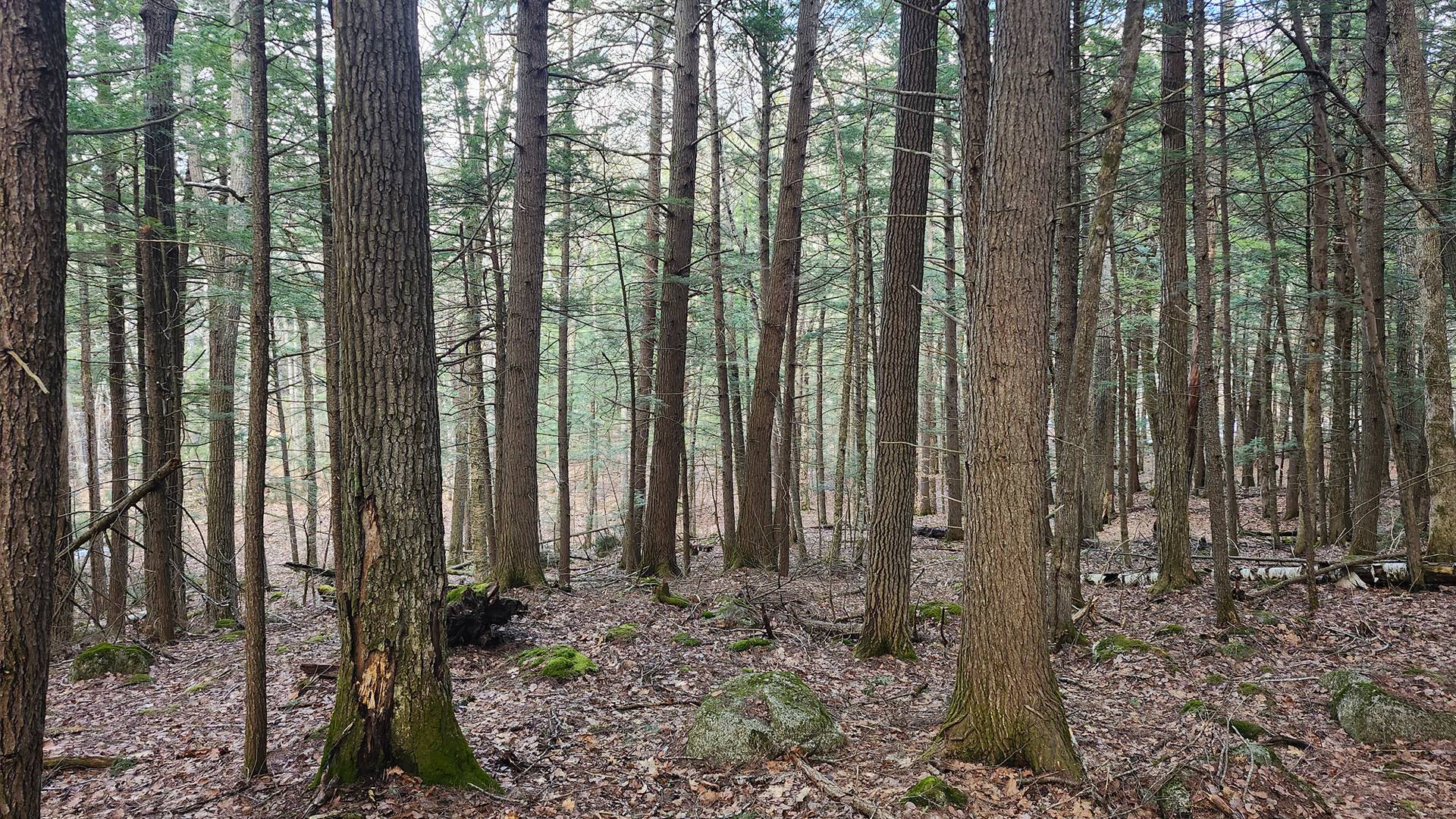
New England Forestry Foundation Signs First Contract to Protect Maine’s…
May. 15, 2026
The contract protects 23 acres of forestland in Naples.
Read More


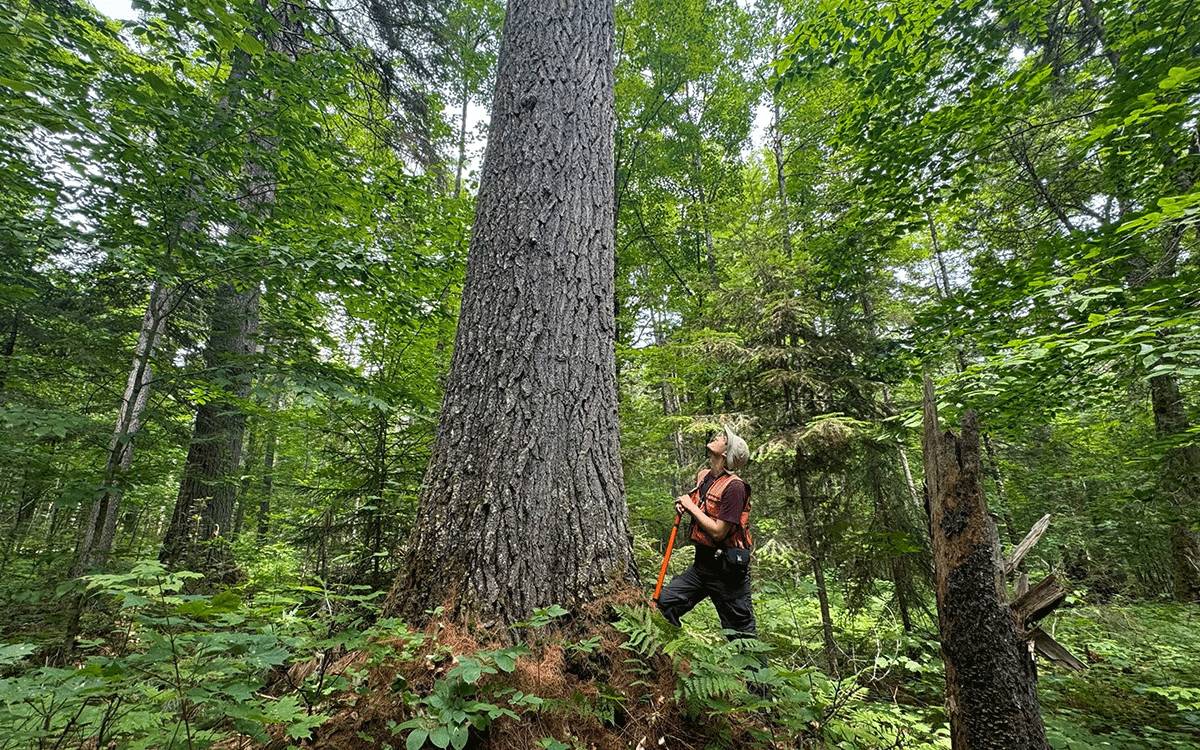
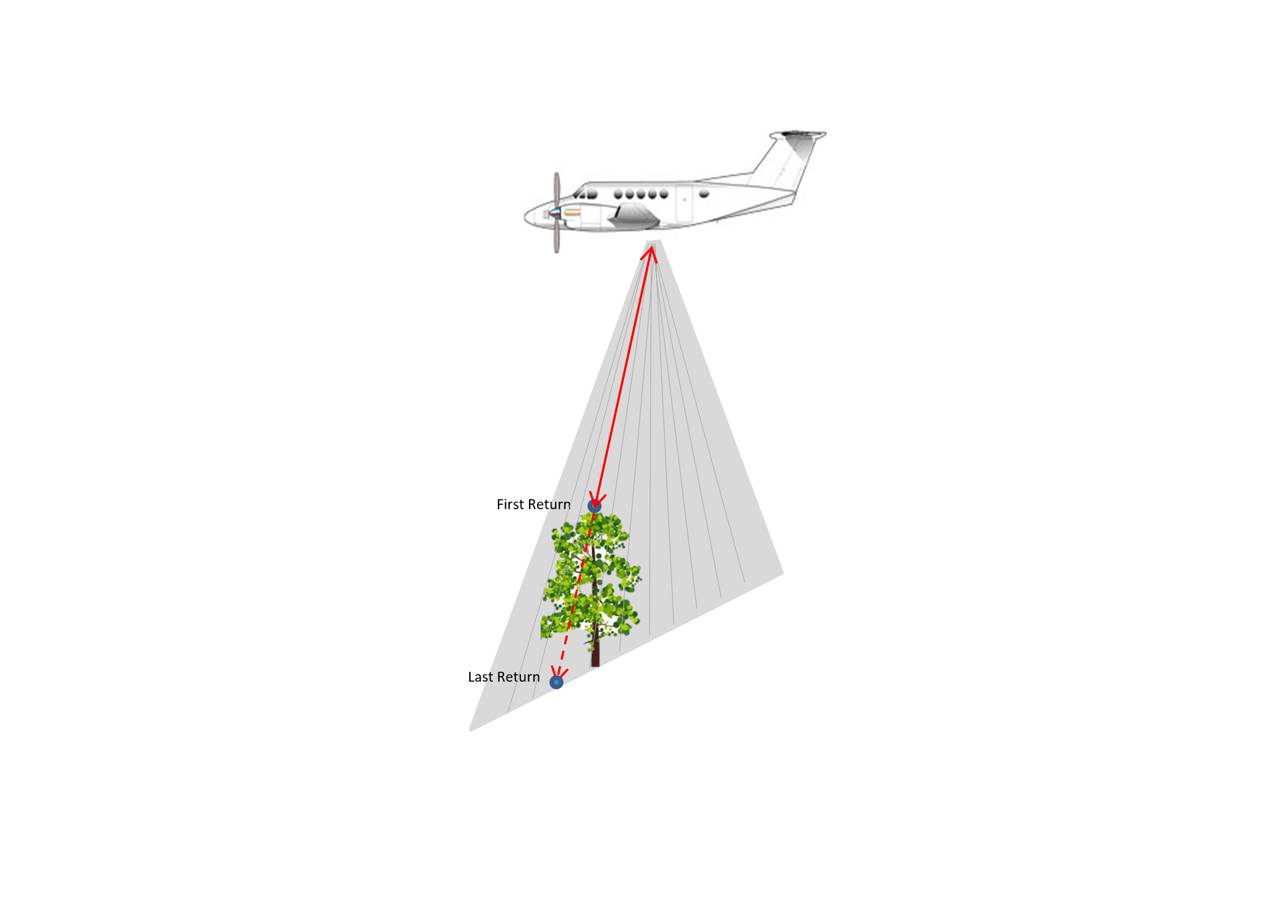
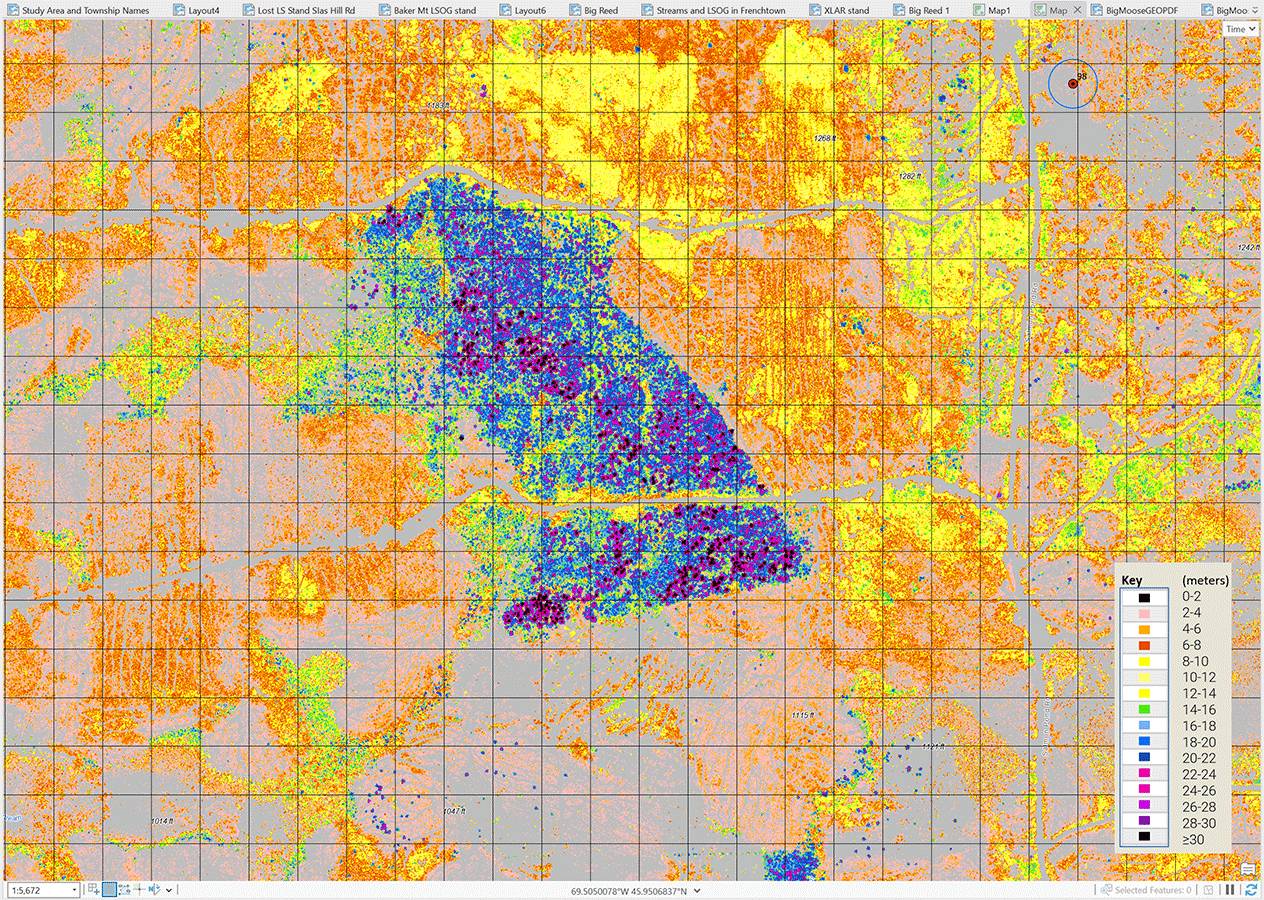
Many New Englanders believe this region is home to just a few precious remaining old-growth stands, but in 2024, along came the organization Our Climate Common with some shocking news in the form of a report, Using LiDAR to Map, Quantify, and Conserve Late-successional Forest in Maine. Across northern Maine, the report’s authors identified around 148,000 combined acres of late-successional — meaning at least 150 years old — and old-growth forests, plus stands transitioning into this condition.
New England Forestry Foundation (NEFF) has worked with Our Climate Common for years and saw an opportunity to help landowners protect Maine’s oldest forests and implement forestry practices on nearby lands that will help store carbon. NEFF applied for a US Forest Service grant with Our Climate Common’s support, and, in December 2024, NEFF and partners received a transformative $4.3 million award.
In partnership with Our Climate Common, NEFF is working with forest landowners, scientists and other stakeholders to develop an ambitious, three-pronged program.
Forest stands of more than 150 years of age are the powerhouses of forest carbon and biodiversity, as they store far more carbon than any other stand type and provide numerous ecological benefits. An acre of older forest stores approximately five times more carbon than the average wooded acre in the 4.3 million acres of commercial forests in Maine’s unorganized townships. But these critically important late-successional and old-growth forests (sometimes abbreviated as LSOG forests) currently make up less than 4 percent of the area.
Our Climate Common reports that late-successional and old-growth forests are being harvested at a much faster rate than the rest of the forested landscape, and, unless LSOG receives protection, Our Climate Common’s research predicts that most such stands remaining on private lands will be harvested in the next two decades. NEFF’s project will target stands in imminent danger of harvest, meaning NEFF will prioritize forests that were included in a multi-year or active harvest plan before the announcement of the project.
Like NEFF’s Climate-Smart Commodities work, this new undertaking is also a pilot project. The US Forest Service grant provides an opportunity to experiment with landowner agreements and develop recommendations on how to scale up conservation and sustainable management opportunities for Maine’s oldest forests.
NEFF’s expert staff is pleased to take this first step on the path to conserving Maine’s oldest forests. There may be more old-growth stands tucked away to the north than expected, but these trees are still precious—to the climate, to wildlife, and to everyone who finds them beautiful.
Using LiDAR to Map, Quantify, and Conserve Late-successional Forest in Maine
Authors:
John Hagan, Ph.D., President, Our Climate Common
Benjamin Shamgochian, Research Associate, Our Climate Common
Molly Taylor, Ph.D. Student, Tufts University
Michael Reed, Ph.D., Professor, Tufts University
View the report at ourclimatecommon.org/lsog-project