New England Forestry Foundation Signs First Contract to Protect Maine’s…
May. 15, 2026
The contract protects 23 acres of forestland in Naples.
Read More


The New England Forestry Foundation (NEFF) and Irving Woodlands Maine have signed an agreement to defer timber harvesting in nearly 500 acres of rare, old, natural forest — also known as late-successional and old-growth (LSOG) forest — in Aroostook County, safeguarding carbon-rich ecosystems and rare habitat as part of a broader effort to conserve some of Maine’s most valuable forestland.
Under the agreement, NEFF will provide funding to Irving Woodlands Maine in exchange for deferring planned timber harvests while partners work toward a permanent conservation solution for the area. As part of the agreement, NEFF is also providing funds to support practices that will increase future timber production in younger forests, including thinning dense young stands.
The agreement demonstrates a new model for protecting older forests through partnerships between conservation organizations and private landowners, while supporting sustainable timber production elsewhere on the landscape.
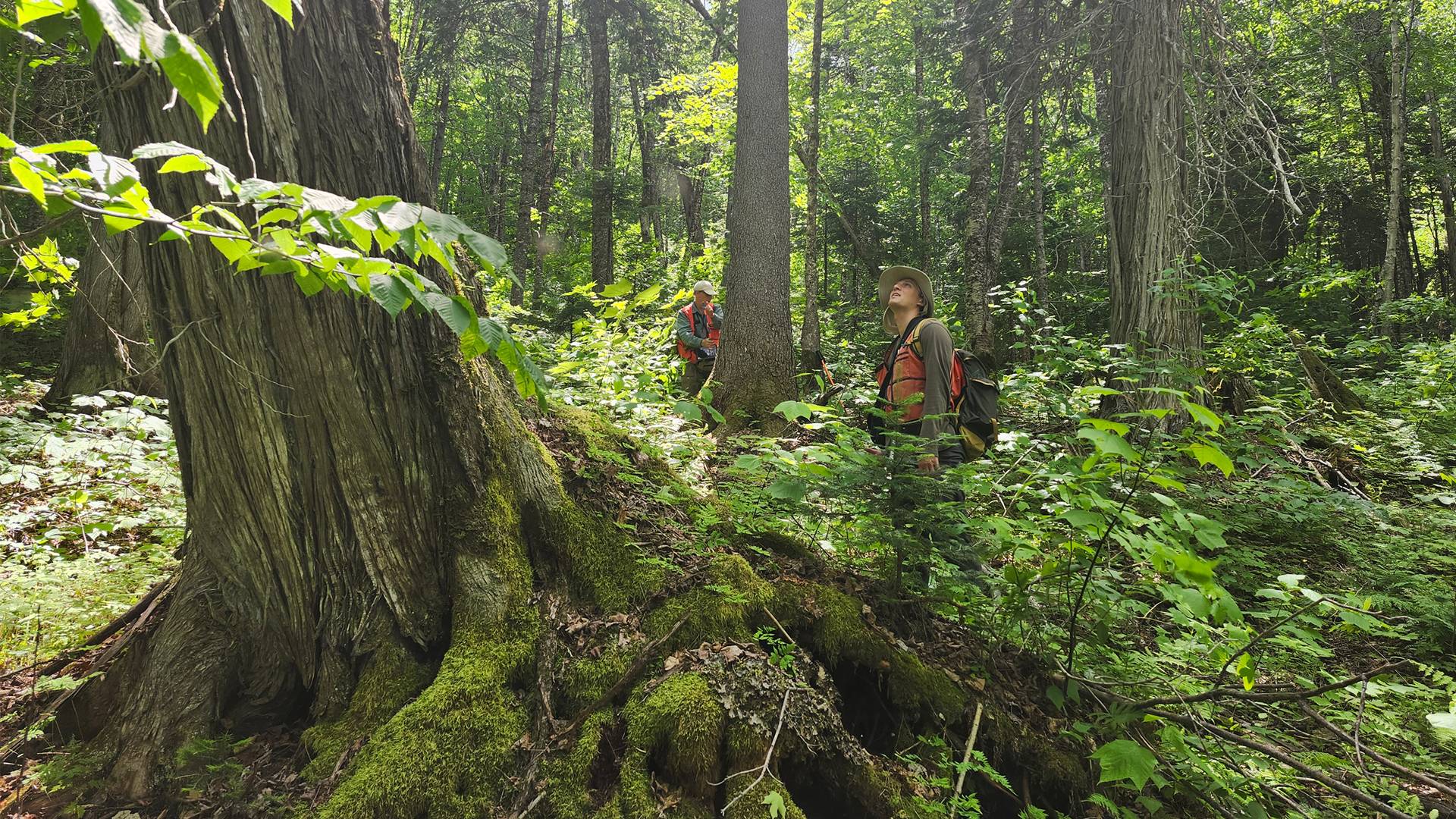
The protected area is part of a larger, 4,000-acre region of older forest in the Aroostook Hills — the small range that northern Maine shares with New Brunswick — and is dominated by trees that are at least 150 years old. The dominant species include sugar maple, yellow birch, American beech, red spruce, and white pine. The older forest is ecologically rich and especially valuable for its ability to capture and store carbon — creating ecosystems that are critical in the fight against climate change.
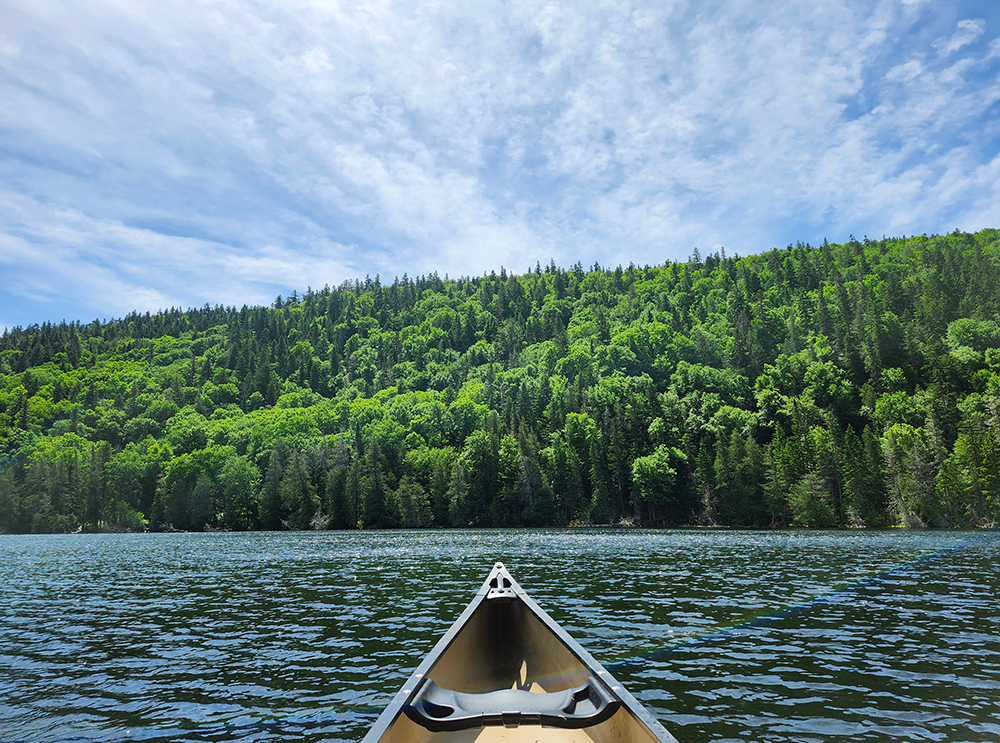
A pond surrounded by late-successional forest in the Aroostook Hills. NEFF and Irving Woodlands Maine have signed an agreement to defer timber harvesting on the pictured forestland. Photo by Brian Milakovsky
The newly protected area also includes Beaver Tail Pond and First, Second, and Third Chase Ponds, all located in a valley. The first of these ponds flows west into the Allagash Wilderness Waterway, while the other three flow east into the Fish River, a tributary of the St. John. The Chase Ponds are “heritage trout ponds,” which means they are rare ecosystems that support brook trout populations without artificial stocking by state fisheries authorities. The immediate shoreline and lowlands between the ponds also contain cedar swamps.
“Irving Woodlands recognizes the unique ecological value of this land and is proud to partner with NEFF to conserve it,” said Ked Coffin, Maine Regional Forester. “This agreement reflects a balanced, practical approach — protecting high-value natural forests while supporting working forests that sustain jobs and communities across the state of Maine.”
Although no timber harvesting has taken place on this land for decades, this seven-year agreement is the first step to protecting it long term.
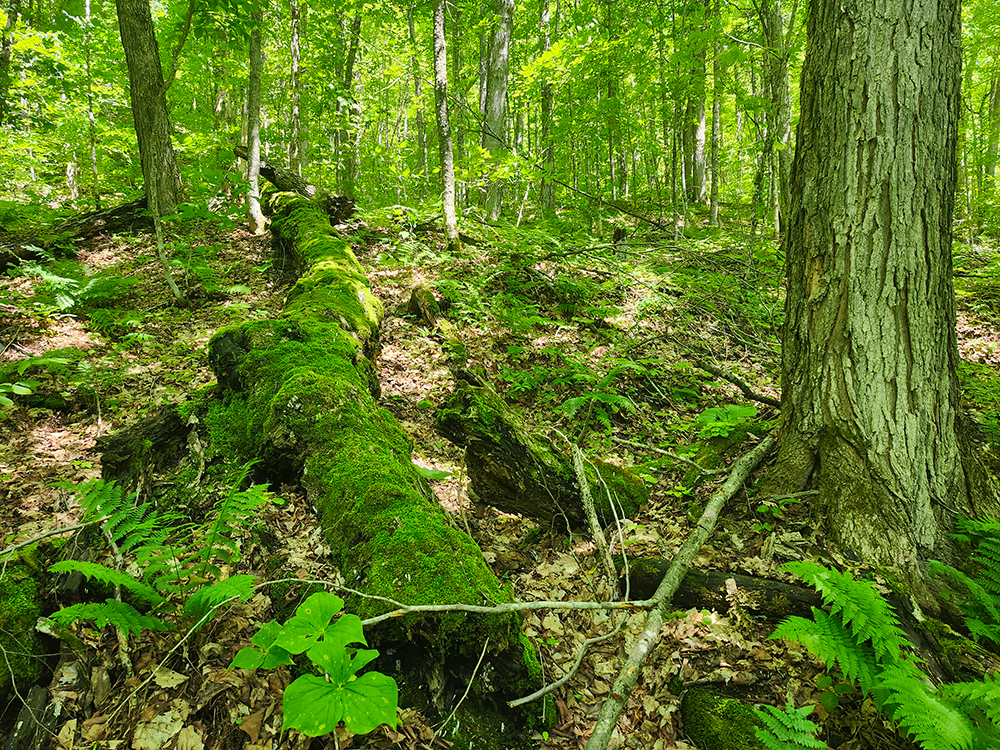
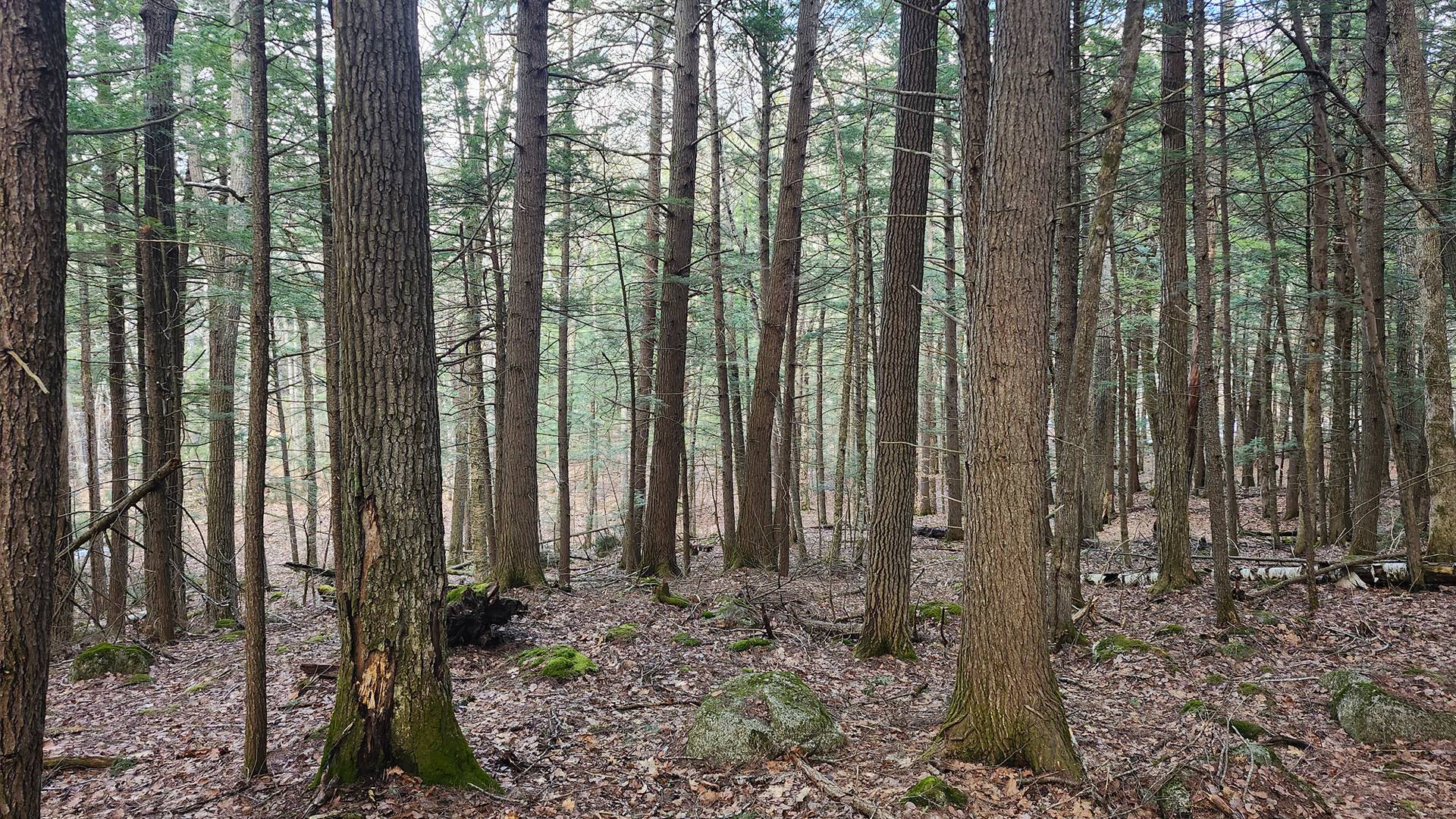
Late-successional forest on Irving Woodlands Maine land. NEFF and Irving Woodlands Maine have signed an agreement to defer timber harvesting on the pictured forestland. Photo by Brian Milakovsky
“These old natural forests are part of a mosaic together with stands managed for timber and high productivity planted forests. With all these different pieces, this forest landscape can provide jobs and economic activity while also conserving biodiversity and addressing climate change,” said Brian Milakovsky, NEFF senior forester. “NEFF looks forward to pursuing a permanent conservation arrangement for the late successional and old growth forests with Irving Woodlands to keep this important piece of the mosaic intact.”
This work is supported by a $4.3 million grant from the U.S. Forest Service. The funding is part of a larger effort to protect more than 190,000 acres of older, high-value forests identified in northern Maine in 2024. The program also helps landowners improve forest health and productivity in other areas, supporting both carbon storage and wood production.