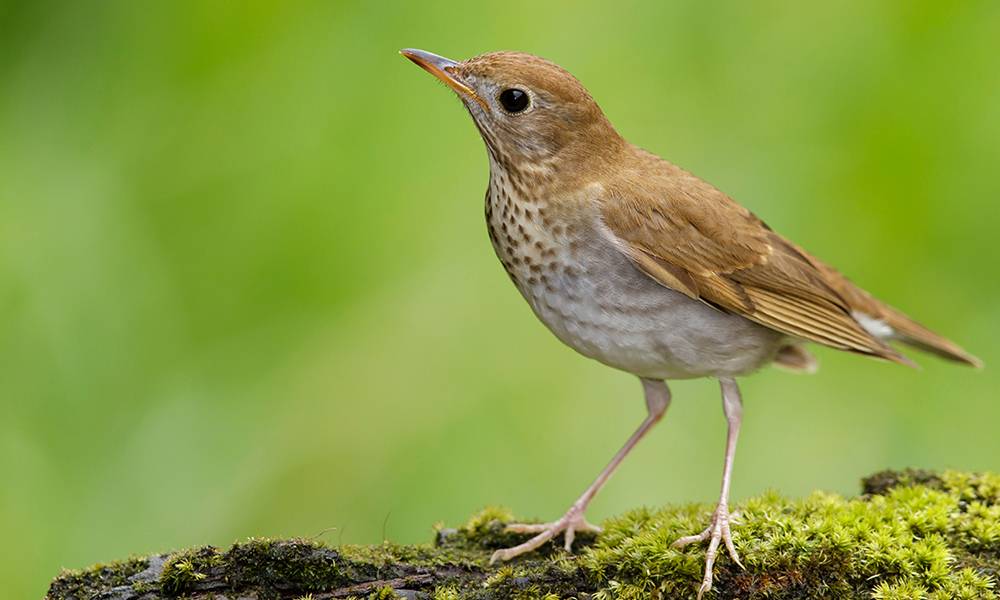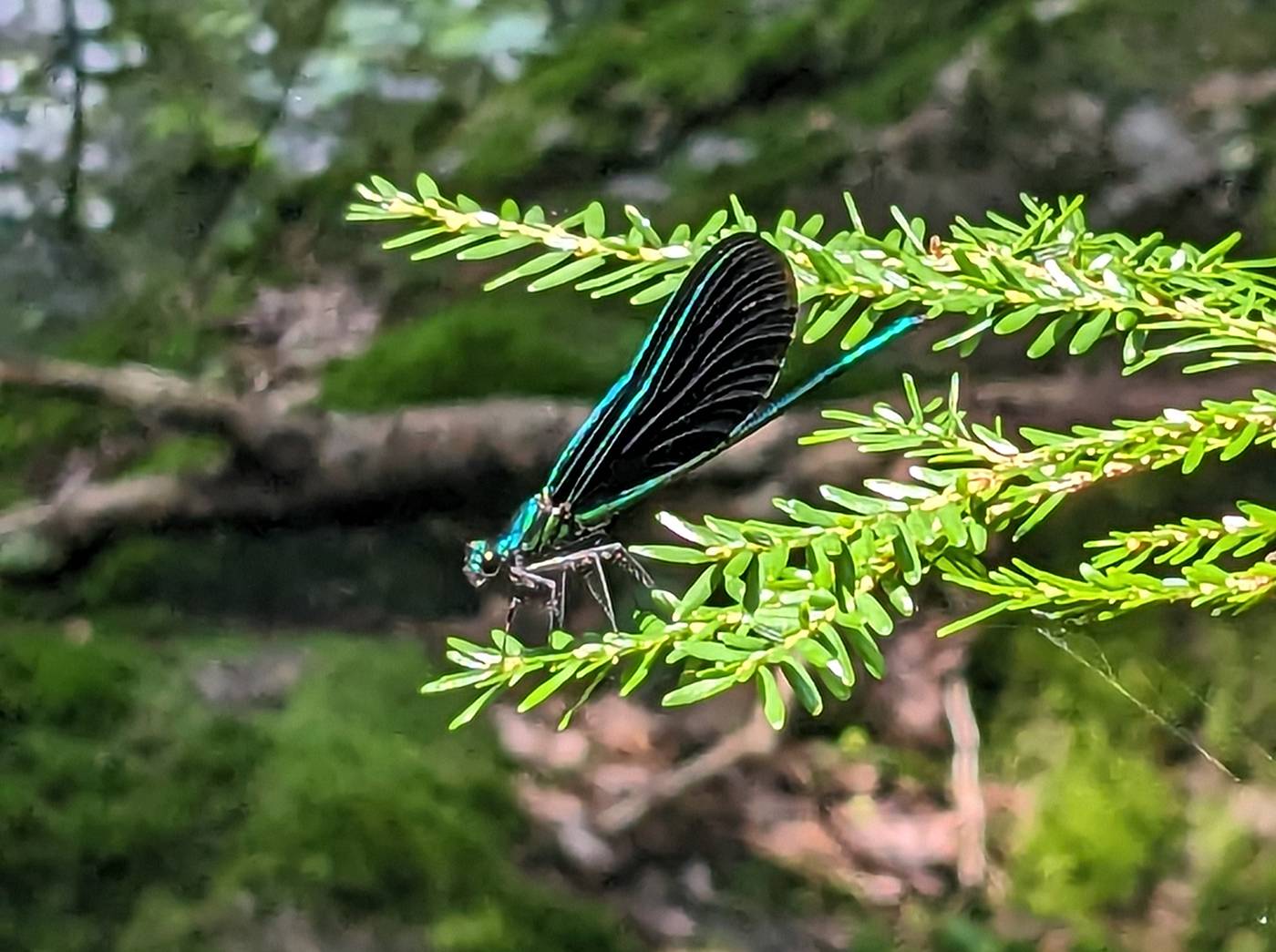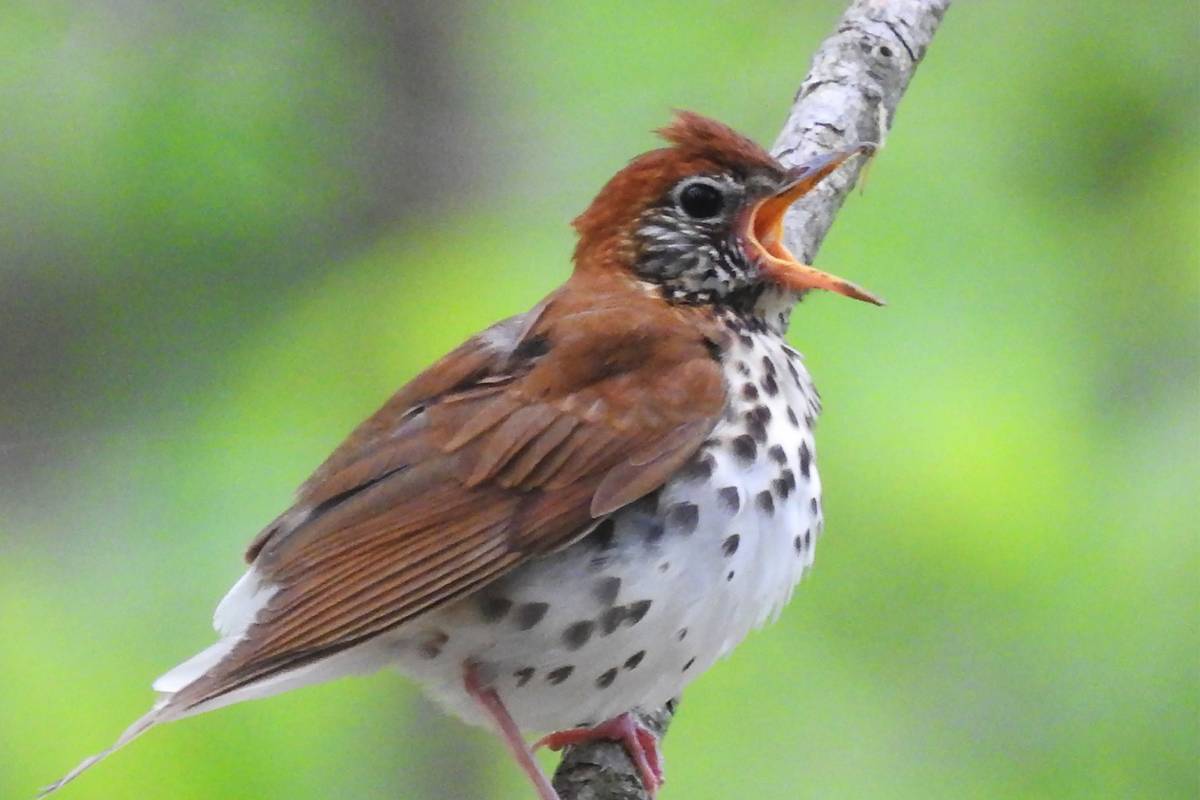
Star Singer of the Northern Forest: The Wood Thrush
Jun. 18, 2026
Learn about wood thrush natural history and conservation, and how a NEFF…
Read More


While we’ve experienced multiple 60-degree days and late wildflower blooms this October, summer has come to an end. Birds are migrating to winter habitats, and the number of amphibian and insect observations on NEFF Community Forests are growing fewer and farther between as the weather progresses toward frost and snow.
This summer, we had an abundance of iNaturalist observations from 18 of our properties, with the majority of submissions occurring in Massachusetts and a few in our New Hampshire forests. So, let’s look at some highlights, and then learn about a fascinating trend that’s being captured in iNaturalist.
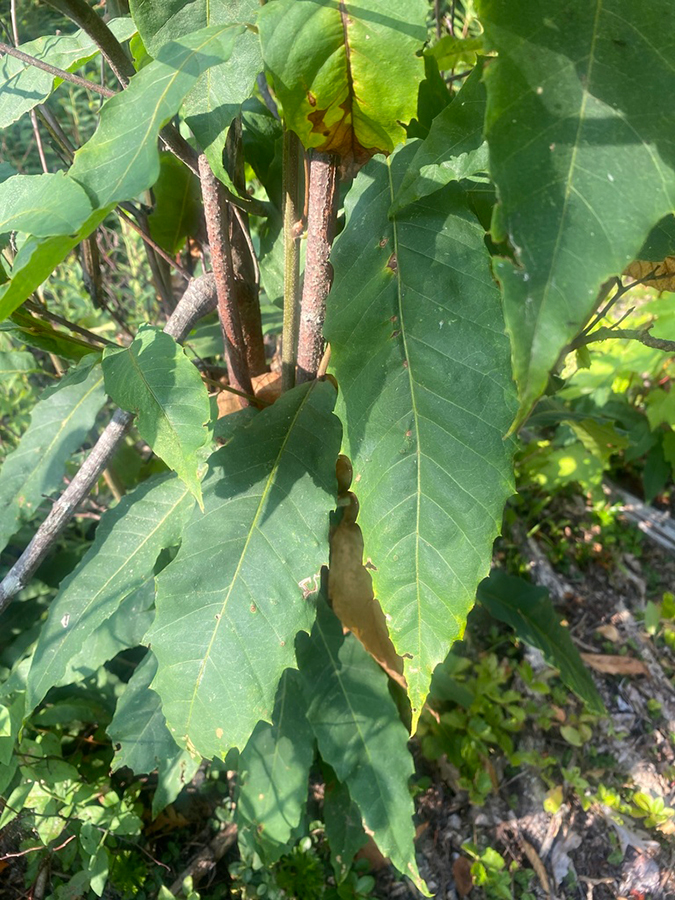
American chestnut
Thirty-four individual observations of the American chestnut (Castanea dentata) found within Mixter Nields Memorial Forest in Hardwick, Massachusetts by Chris Buelow. The sheer number of observations of this critically endangered tree species is important to note, because the trees reside within a forest that is forever conserved. Currently, the observed range of the American chestnut is confined to the Appalachian Mountains and some outlying populations.
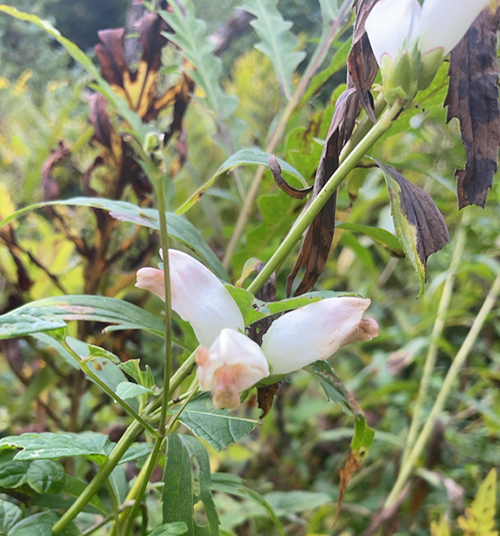
White turtlehead
A white turtlehead (Chelone glabra) was found within the Rice Sanctuary in Peru, Massachusetts by Michelle Labbe. This native plant grows in riparian areas and swamps, and is the primary plant on which the Baltimore checkerspot butterfly will lay their eggs. Both the butterfly and the turtlehead are found within the northeast and Great Lakes regions of the United States.
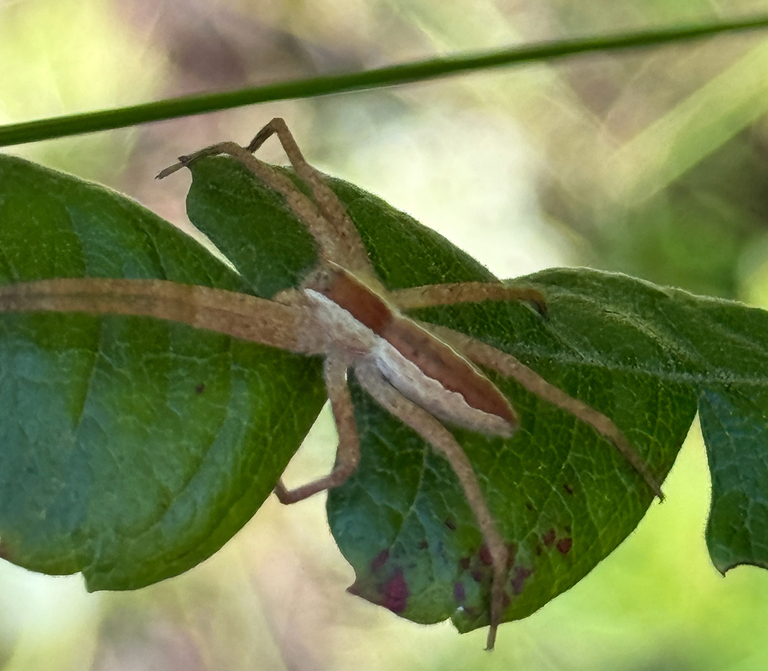
Nursery spider
A nursery spider (Pisaurina mira) was found at the David M. Smith Memorial Forest in Leverett, Massachusetts by MassHoosier. Often mistaken for the wolf spider, this is a very hardy species able to tolerate high heats. It’s strictly found in the eastern half of the United States and Canada.
Some of my favorite observations that I uploaded to iNaturalist were from earlier this summer. I’ll share them here:
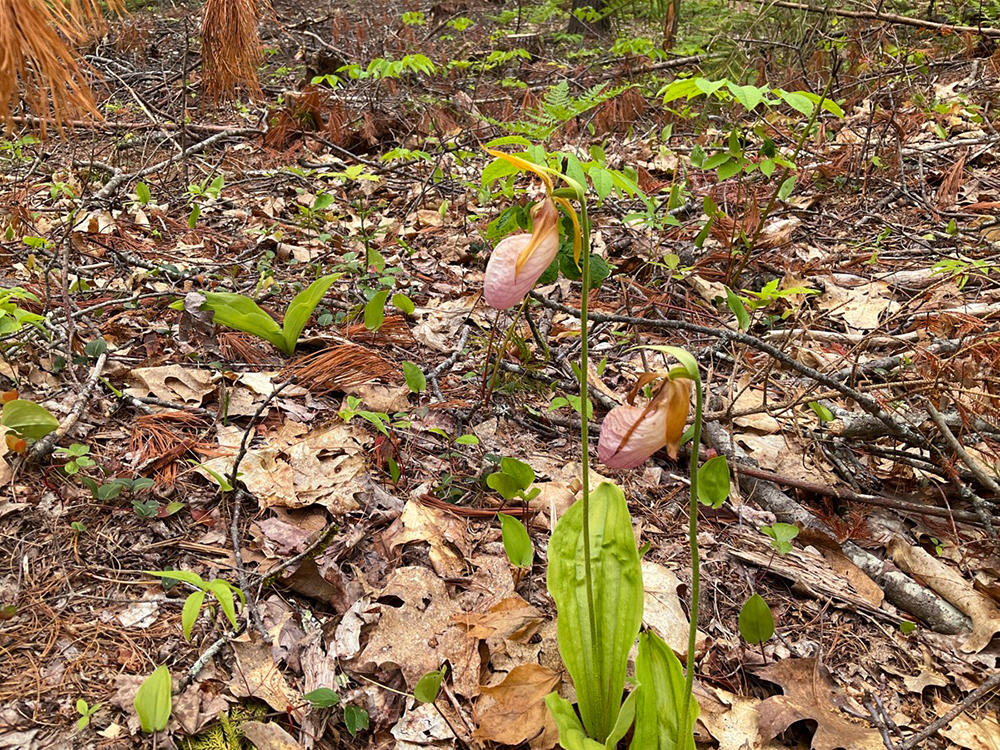
Pink lady’s slipper (Cypripedium acaule) within Bliss Woods in Freeport, Maine. It’s always a good sign to see lady’s slippers on my walks, since they remind me of childhood summers in New Hampshire, where it is the state flower. Known to be endangered in Illinois, Tennesee, and New York, they are quite prolific in New England when conditions are right. Maybe, you might even find a rare white one!
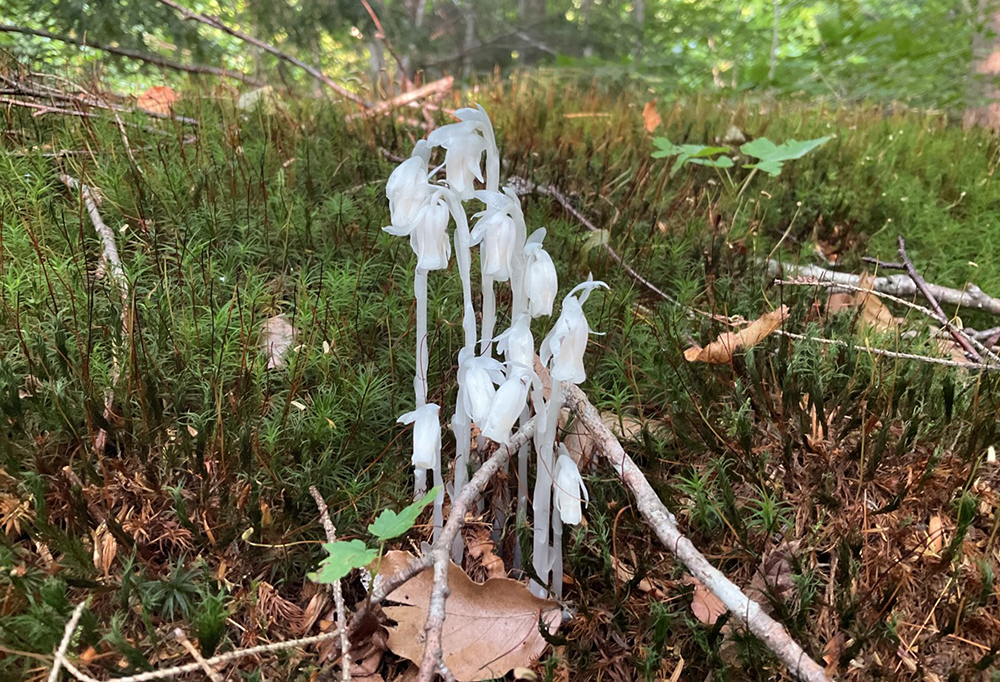
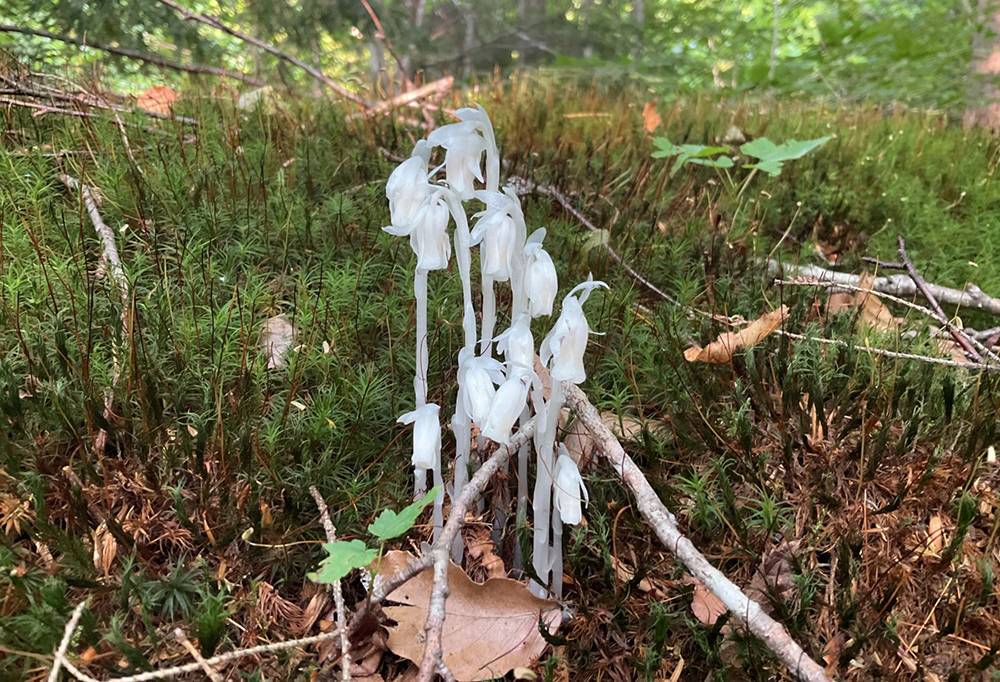
Ghost pipes
Ghost pipes (Monotropa uniflora) within Wellington Wells Memorial Forest in Harrisville, New Hampshire. They are often associated with beech trees.
These are just a few of the more than 850 observations submitted this summer. You can view more observations from NEFF properties on our iNaturalist page. It is also very easy to contribute to NEFF’s growing knowledge of the biodiversity in our forests. First, download the iNaturalist or Seek apps on your device; choose the nearest NEFF forest by checking out the property map on our website, then snap a photo and upload!
During regular site visits to NEFF’s forests around New England, we are increasingly finding that the forest is changing. The starkest change to the forest is the presence of beech leaf disease (Litylenchus crenatae). First detected in Ohio in 2012 and then in New England by 2019, it’s a disease currently affecting the American and European beech stands throughout the northeast, and believed to be caused by a nematode that feeds within the leaves. It causes leaves to appear crumpled, with dark bands between the veins of each blade, which prevents preventing the leaf from photosynthesizing.
As the disease expands from the wilting canopy to the entire tree, it will most often attack new buds, with tree mortality rates upwards of 90 percent. The decline of the beech means the decline of beech nuts, which will affect wildlife foraging habits for animals like birds and bears. On average, it can take 3-5 years for a tree to succumb to the disease, with younger trees dying within a year.
Beech trees make up a significant portion of stands across the northeast, and the absence of a canopy due to the loss of beech trees is jarring, especially in the middle of summer. I’ve confirmed sightings of the disease by posting on iNaturalist, as have roughly 1,800 other observers over the past 10 years. The screenshot from the iNaturalist page on beech leaf disease shows approximately the current extent of the disease in North America.
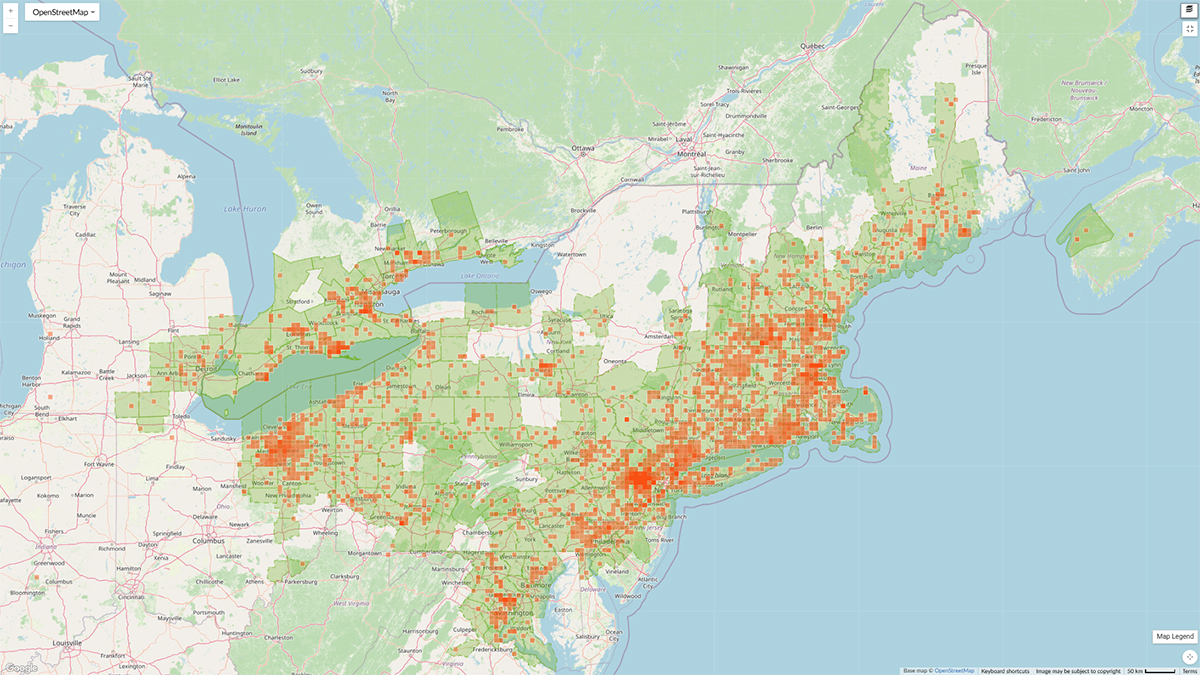
Spread of beech leaf disease | Map by iNaturalist
Amateur and citizen science observations such as the ones tracing the spread of this deadly tree disease are genuinely important. For example, they can help us understand this disease’s scale, plan mitigation strategies, and spark collaboration efforts across town, county and state lines. So, if you find a tree suffering from beech leaf disease, upload a picture and location of it on iNaturalist, or report it to your local forest service.