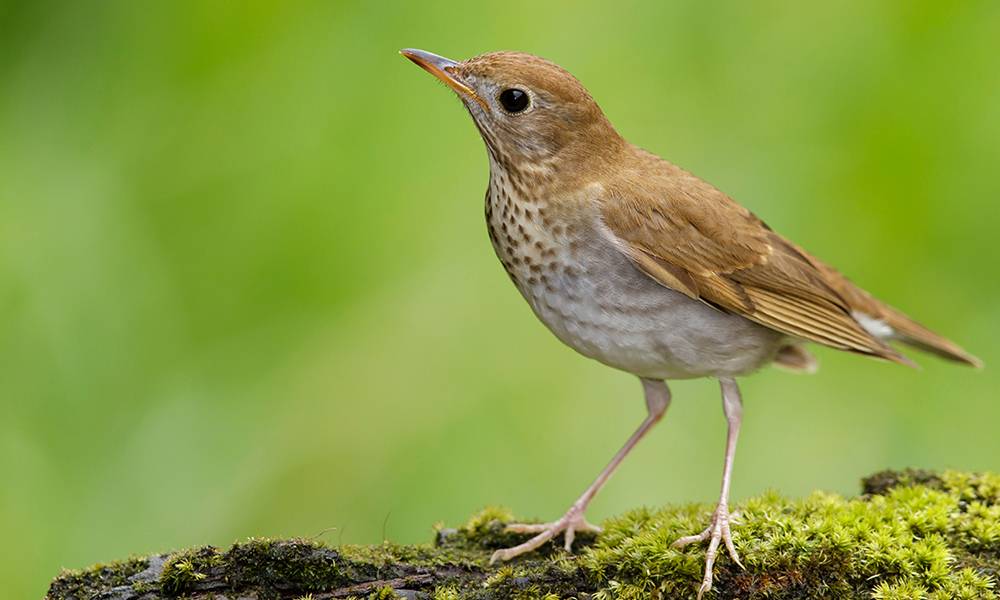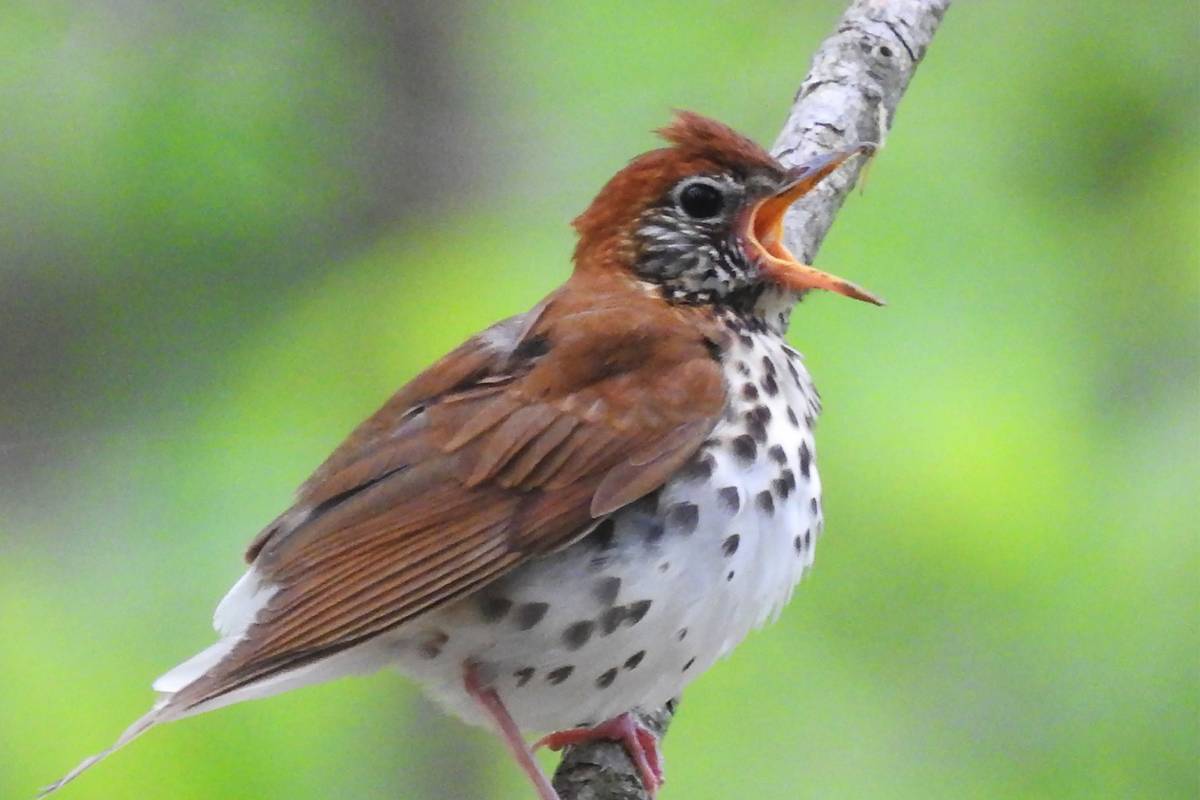
Star Singer of the Northern Forest: The Wood Thrush
Jun. 18, 2026
Learn about wood thrush natural history and conservation, and how a NEFF…
Read More


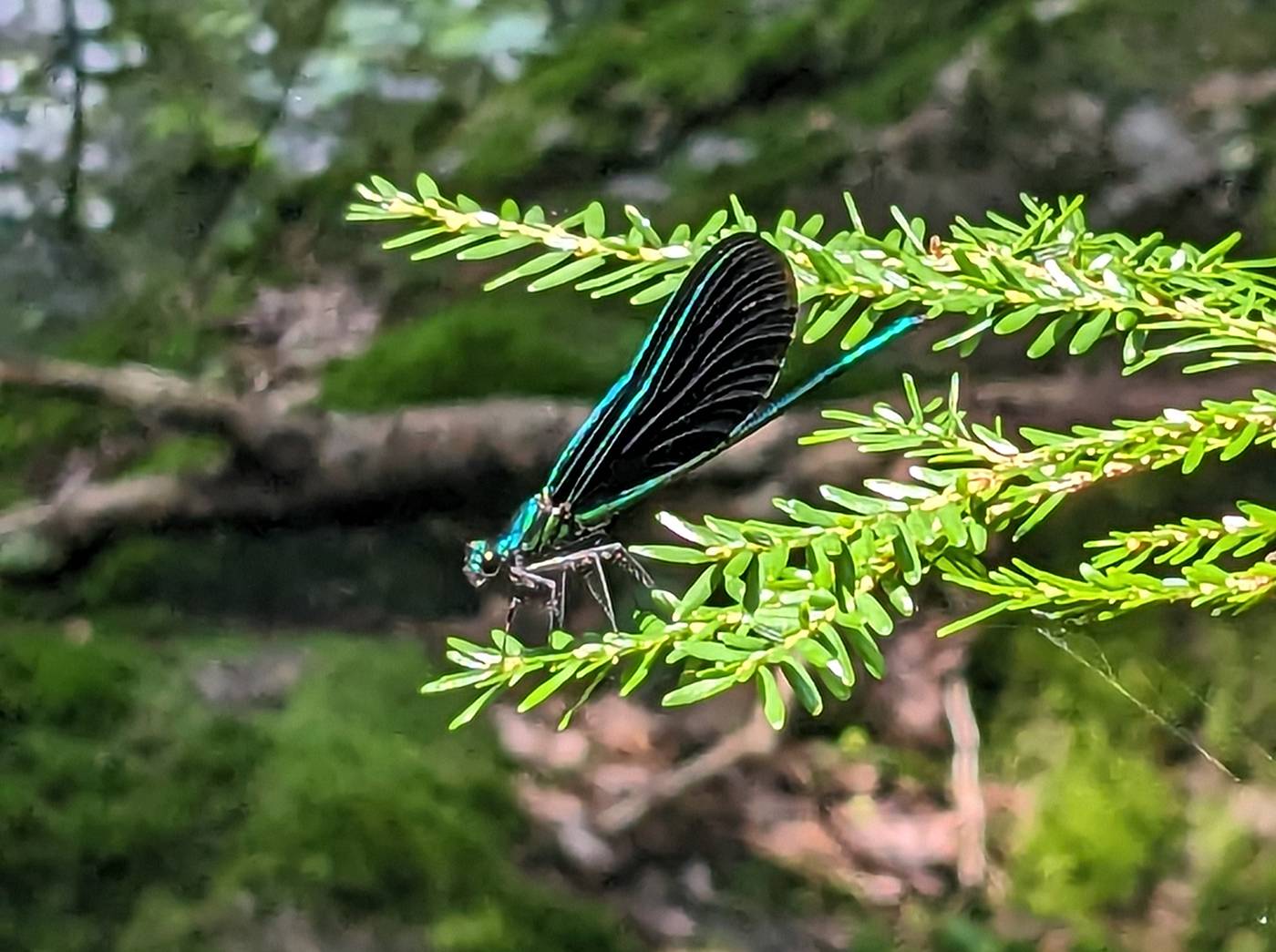
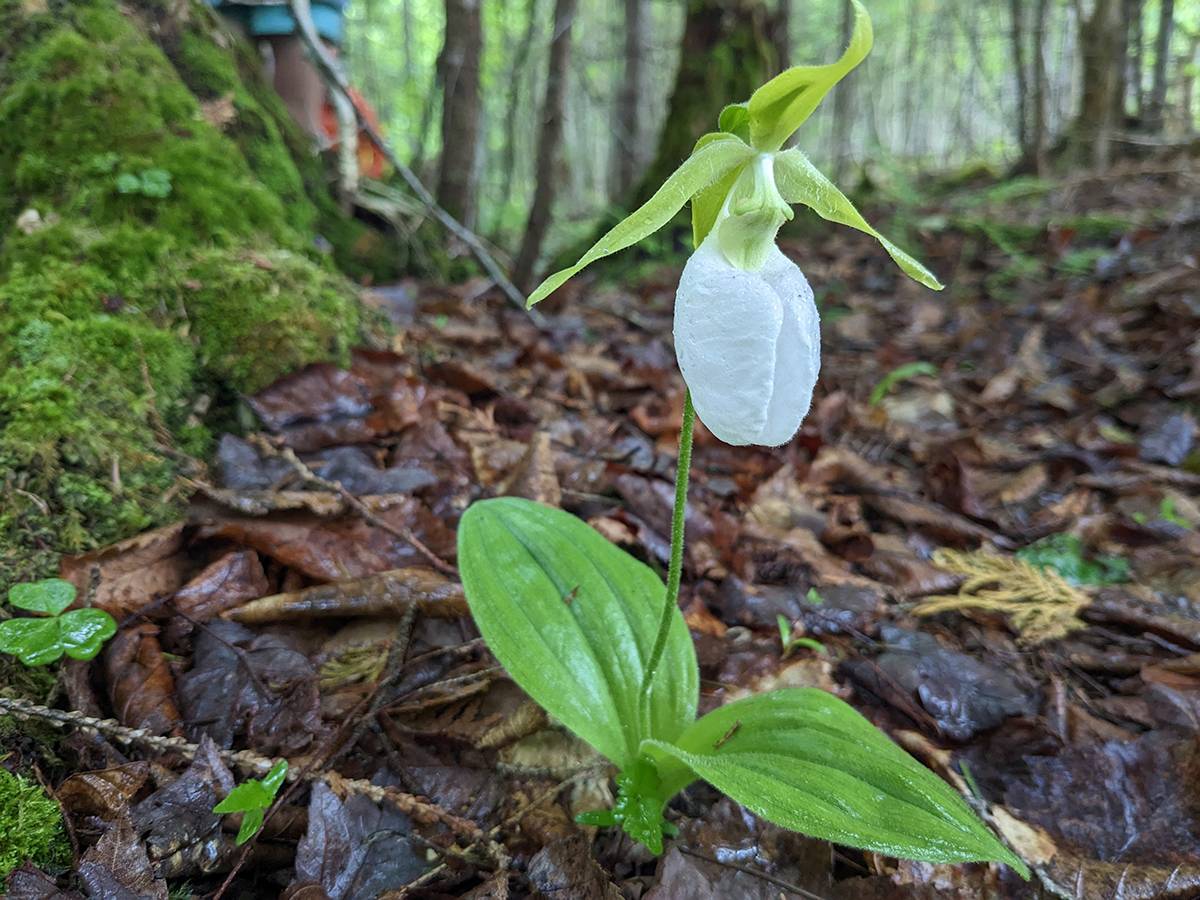
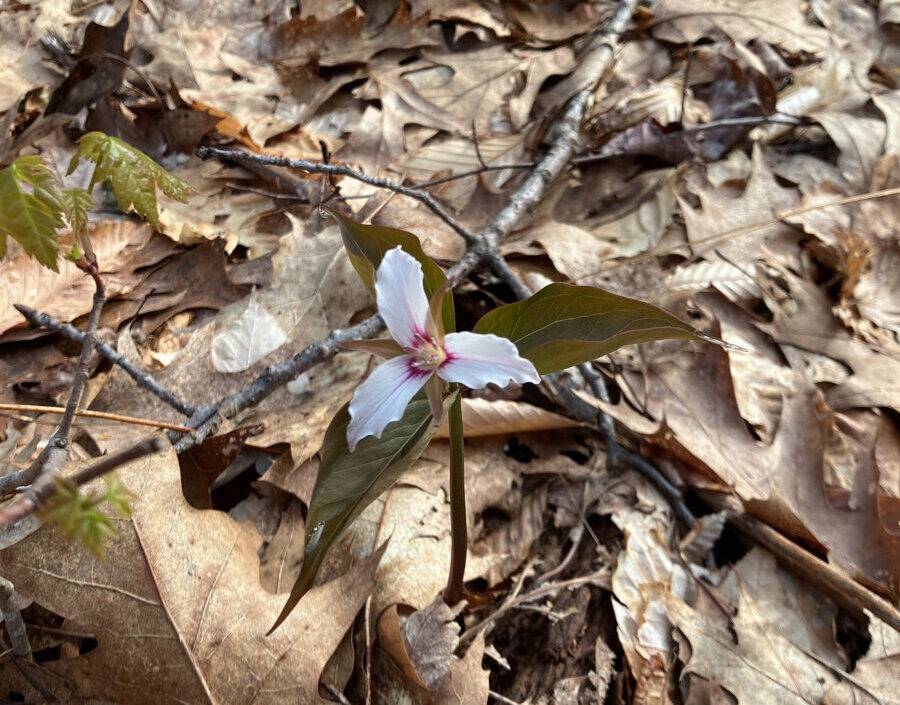
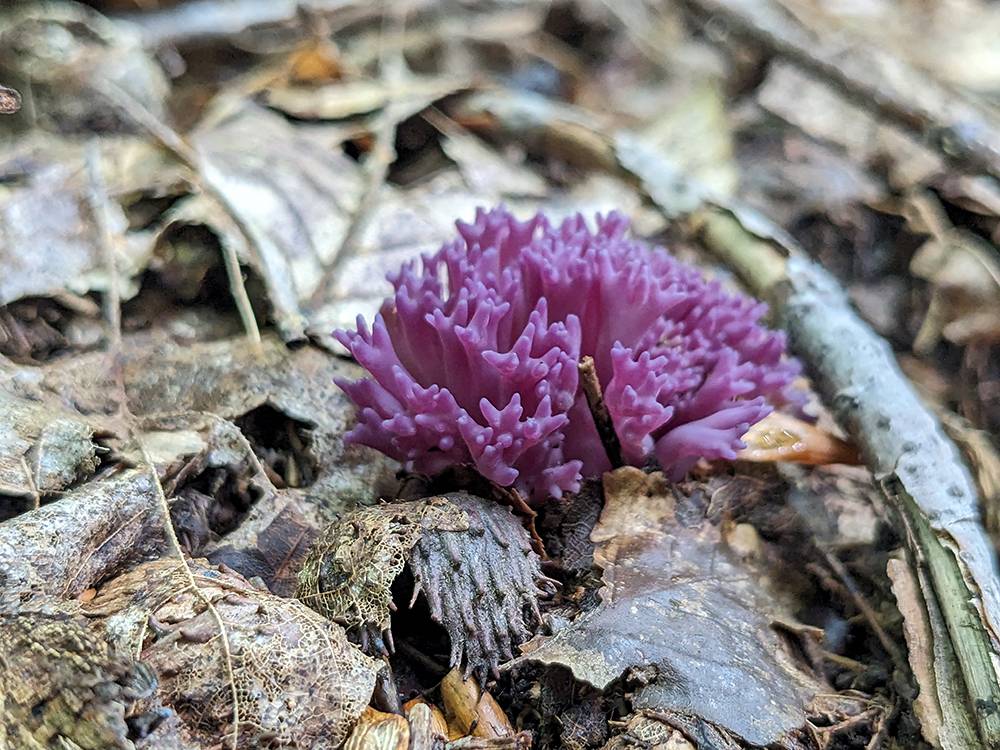
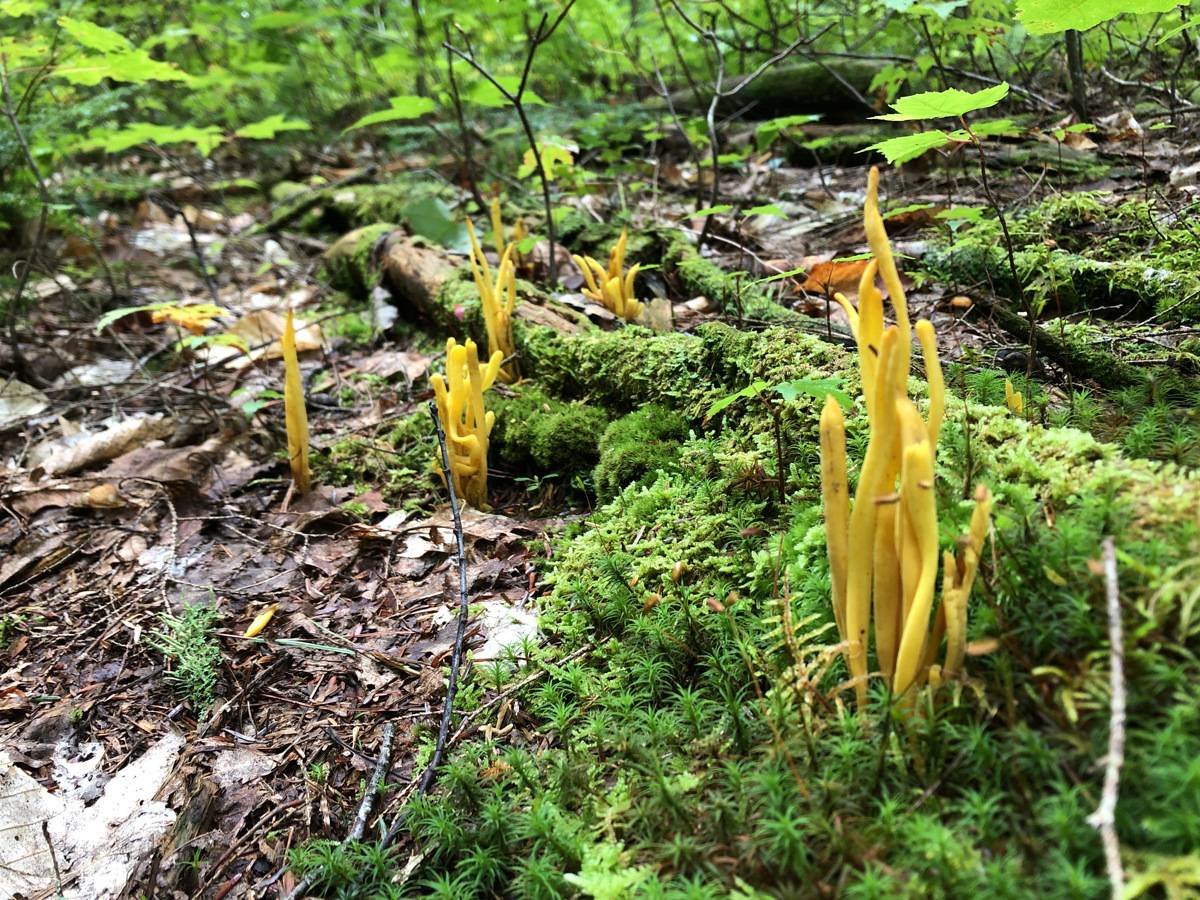
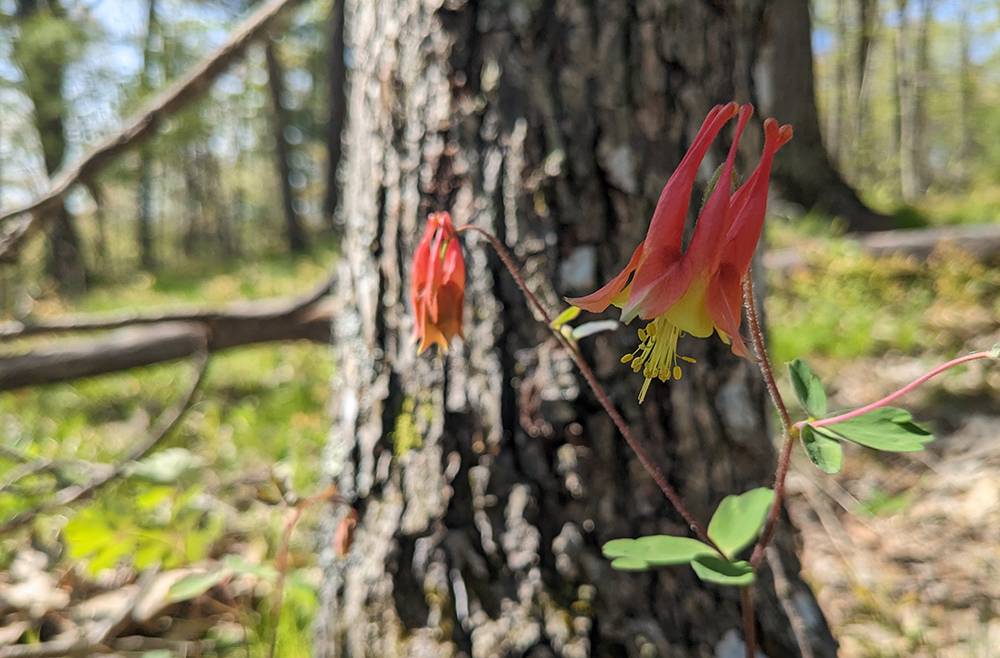
Spring rain and petrichor; warming southern breeze and the sun setting later and later each day. Combine these ingredients and you will get springtime flora, fauna and fungi in bloom. Field season in spring is my favorite time of year, where I can experience spring ephemeral flowers and the many secrets once hidden by the snow. There is so much to see during this time, but how do we track it all? How can we get data about the natural world in real time?
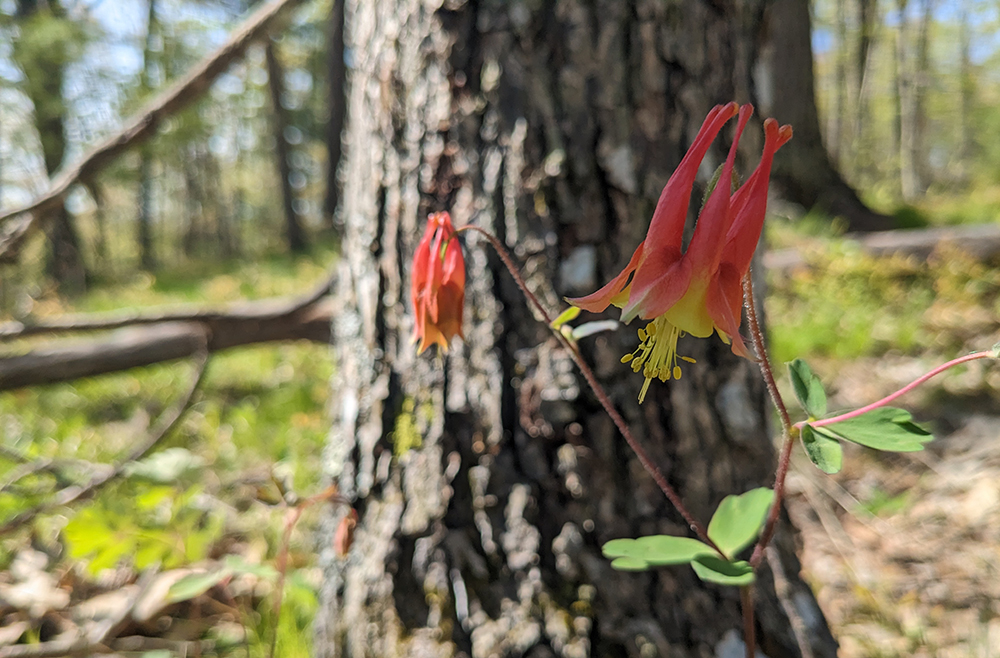
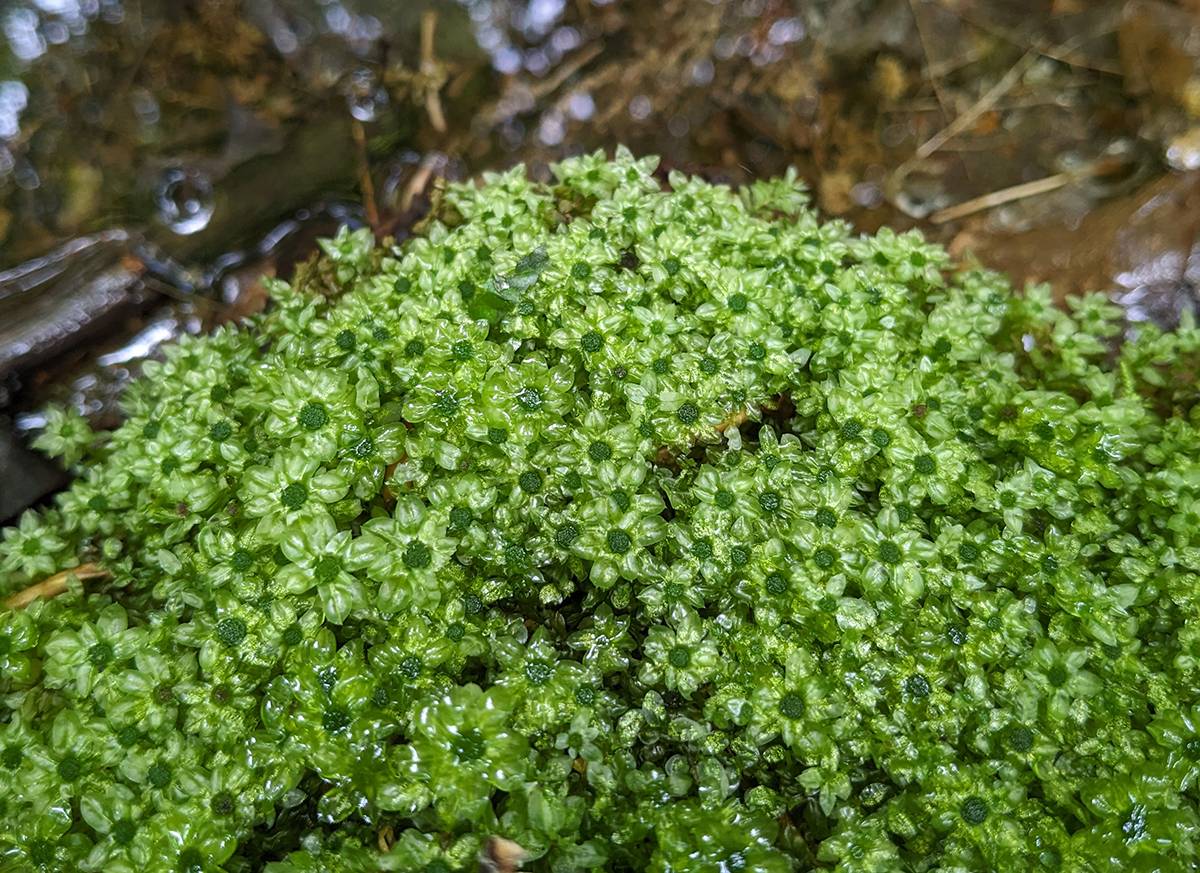
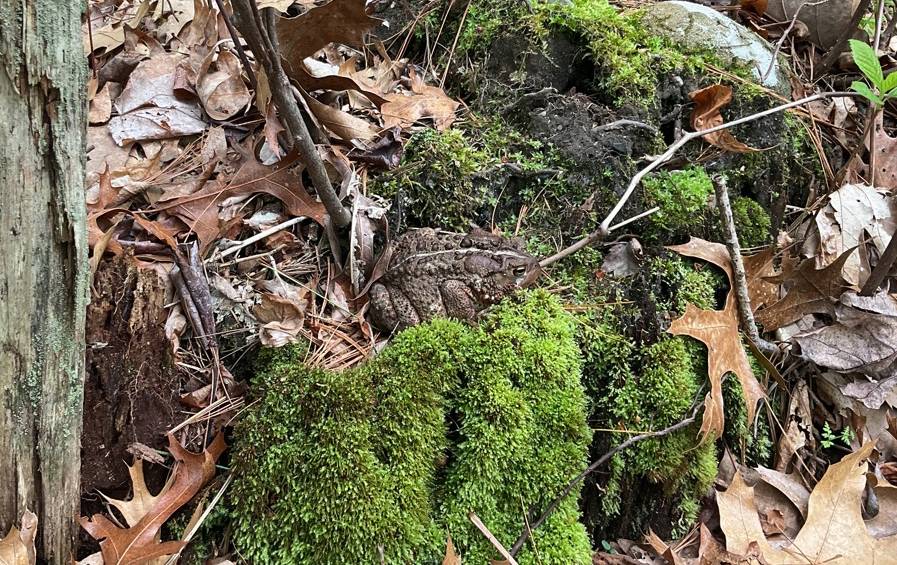
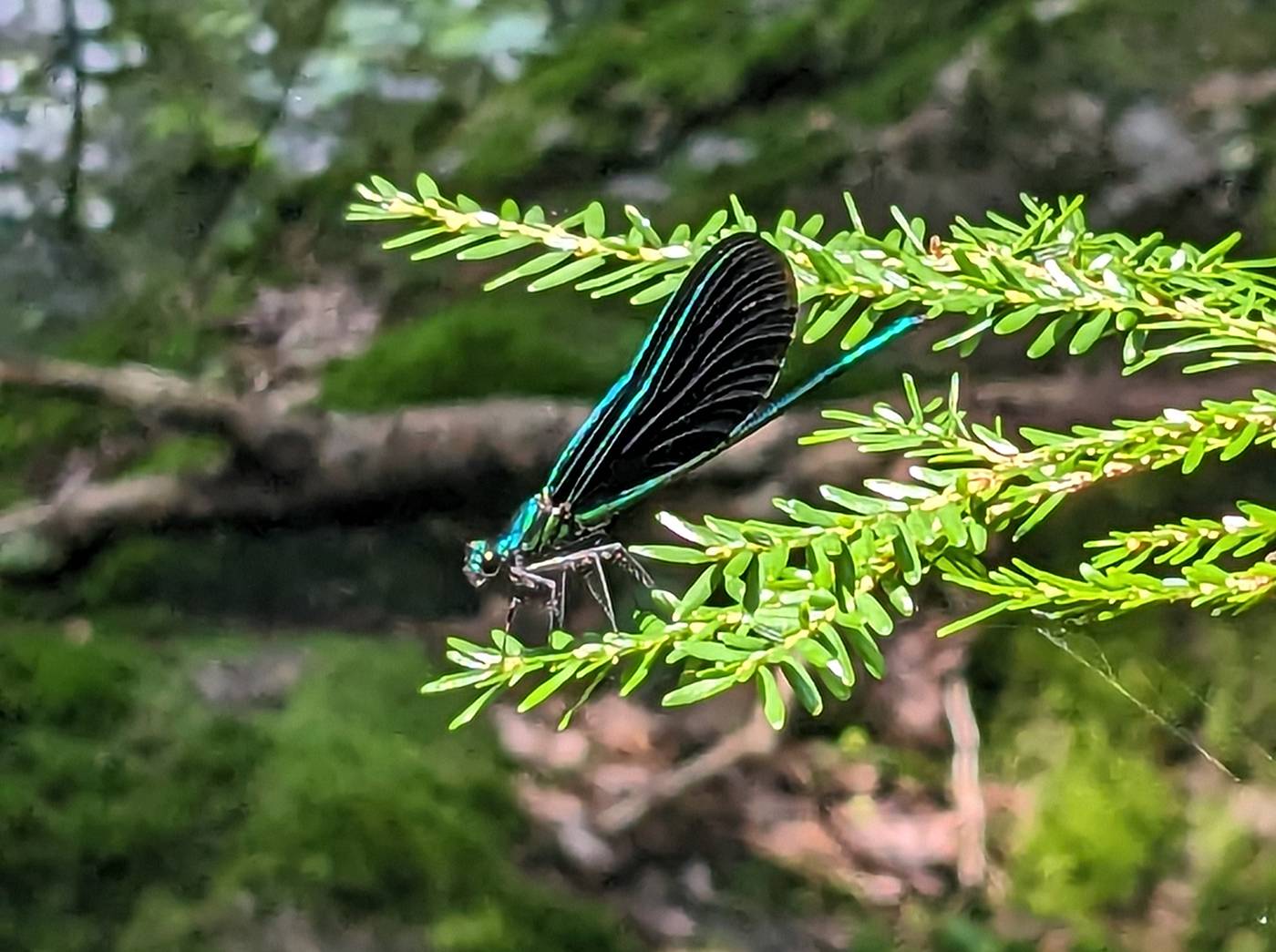
iNaturalist is a digital tool used by professional scientists, scholars and amateur naturalists to catalogue and share the biodiversity found in a city park, backyard, tidal zone or a NEFF Community Forest, for example. This unique app (phone and desktop) has three, simple steps: take a picture via the app, suggest a working identification, then upload it to be verified by the global community.* It is great for school projects, personal checklists and the naturally curious.
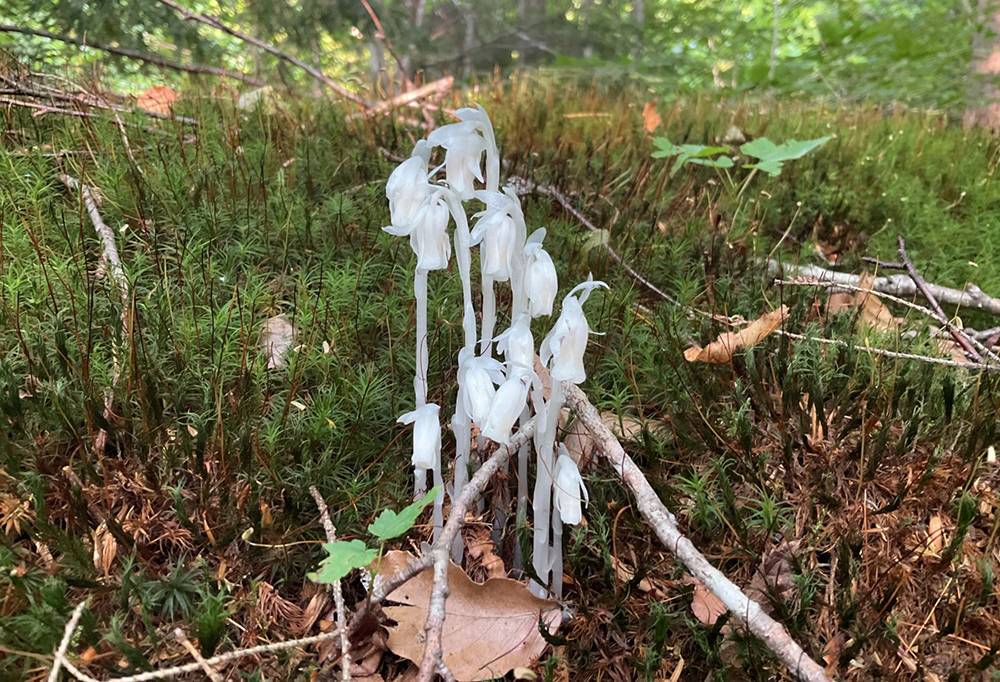
NEFF is using iNaturalist to understand and catalogue the biodiversity across New England, within lands that we conserve. I use this tool every time I am out doing field work at a NEFF Community Forest, so our stewardship team can track what kinds of flora and fauna show up after a timber harvest. It can also help us track the abundance of invasive species over time.
Other land trusts in our region are using iNaturalist project data to complement their bird studies or incorporate it into their stewardship programs. Other projects such as the Vermont Atlas of Life, run by the Vermont Center for Ecostudies, has more than 1.3 million observations from 30,000 different naturalists and counting. The scope of their work has created data sets to track species occurrence, like butterfly surveys that are used in peer-reviewed articles and scientific publications.
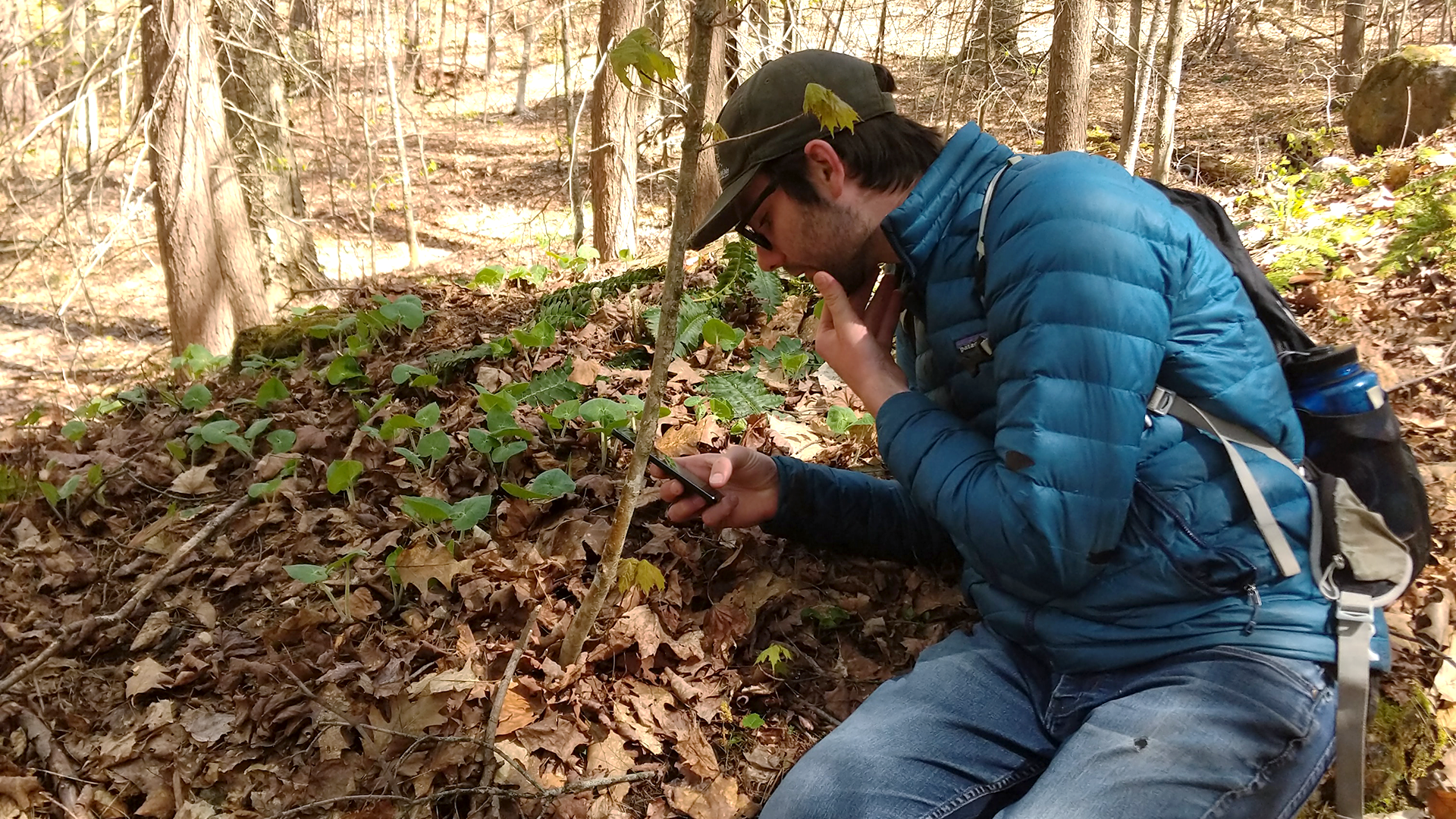
NEFF Stewardship Associate Corey Wrinn taking a photo for iNaturalist
Since I piloted our iNaturalist presence just over a year ago, the total number of observations within NEFF’s 150 Community Forests surpassed 6,000 with over 1,600 different species identified. Some properties have more observation than others, but you can help increase those identifications! Make a difference in NEFF’s understanding of the natural world—all you have to do is follow these steps:
Your observations will show up on NEFF’s project page. That observation will then be verified by other users from across the region or country, and will be used in NEFF’s stewardship and forestry work. We look forward to discovering the natural world with you!
*If you don’t find the above steps helpful, visit help.inaturalist.org, specifically the video tutorial section.