Ninth Forest Congress Wrap-Up
Jul. 22, 2025
NEFF's Andi Colnes reflects on the team's week at the Ninth Forest Conference,…
Read More


On July 15, several expert NEFF staff members will head to Washington D.C. for the Ninth Forest Congress, and they’ll be live-blogging about their experiences and NEFF’s goals for the congress, and also posting on social media. We’re kicking off the blog series with an introduction that explains the fascinating history and function of these congresses.
Every few decades over the past 150 years, the social, environmental and economic context of American forests has changed dramatically enough for the U.S. forestry and — at times — forest conservation community to seek and establish a new stewardship ethic, or a new approach to managing forests that meets the new challenges. When those forces grow in intensity, forest practitioners come together from across the country in what were first known as Forestry Congresses. The first one was held in 1882. The latest, now called a Forest Congress, runs this July 15-18.
These past congresses have been very effective in sensing a turning point in forestry and articulating how we as a community need to respond. The congresses don’t necessarily lead directly to new policy in the next year or two. They do their job by framing a new story about the human-forest relationship and that story sets the stage for new policy and changes in how we steward our forests.
For example, the first congress in 1882 dealt with the misuse of the new western federal lands recently acquired through conquest and dispossession of Native Americans. That first congress led to the establishment of federal reserves controlled by federal agency. In the 30 years after that, subsequent congresses led to the creation of the US National Forest System and the US Forest Service and the creation of eastern National Forests.
I participated in the Seventh Congress in 1996. At that time, forestry was struggling with how to manage forests when it became apparent that the prevalent forestry approach was devastating forest biological function. This was a time of massive clearcutting, the decimation of western old growth forests and the decline of dependent species such as the Spotted Owl. Through that congress and multiple aligned efforts, a new stewardship ethic was formed: Ecosystem Management. From that point forward, forestry began to pay more attention to all the parts of the forest, and place the growth and removal of forest products within that context.
If the 1996 congress can be labeled the Ecosystem Management Congress, this year’s congress will be the Climate Change Congress. Ecosystem management must now be practiced within the context of a changing world climate, where forest fires are rampant in the west and exploding forest disease plagues our eastern forests. We need to understand what must be done to maintain healthy forests in a new and evolving context, what those changes mean for rural communities’ economic stability and how to practice sustainable forest management in a rapidly changing climate.
NEFF is on the forefront of these changes and we are well equipped to make valuable contributions at the congress. Our Exemplary Forestry standards anticipated the need for a new approach to forestry and prescribes a regional approach to making our forests more resilient to change while helping to mitigate climate. The Exemplary Forestry standards can accomplish that while still producing the forest products that support rural communities and substitute for climate polluting products. NEFF will be able to present our standards as a regional blueprint for what can be accomplished across the country, and our close partnership with family and commercial landowners demonstrates how we can work together as a regional community toward the same goal.
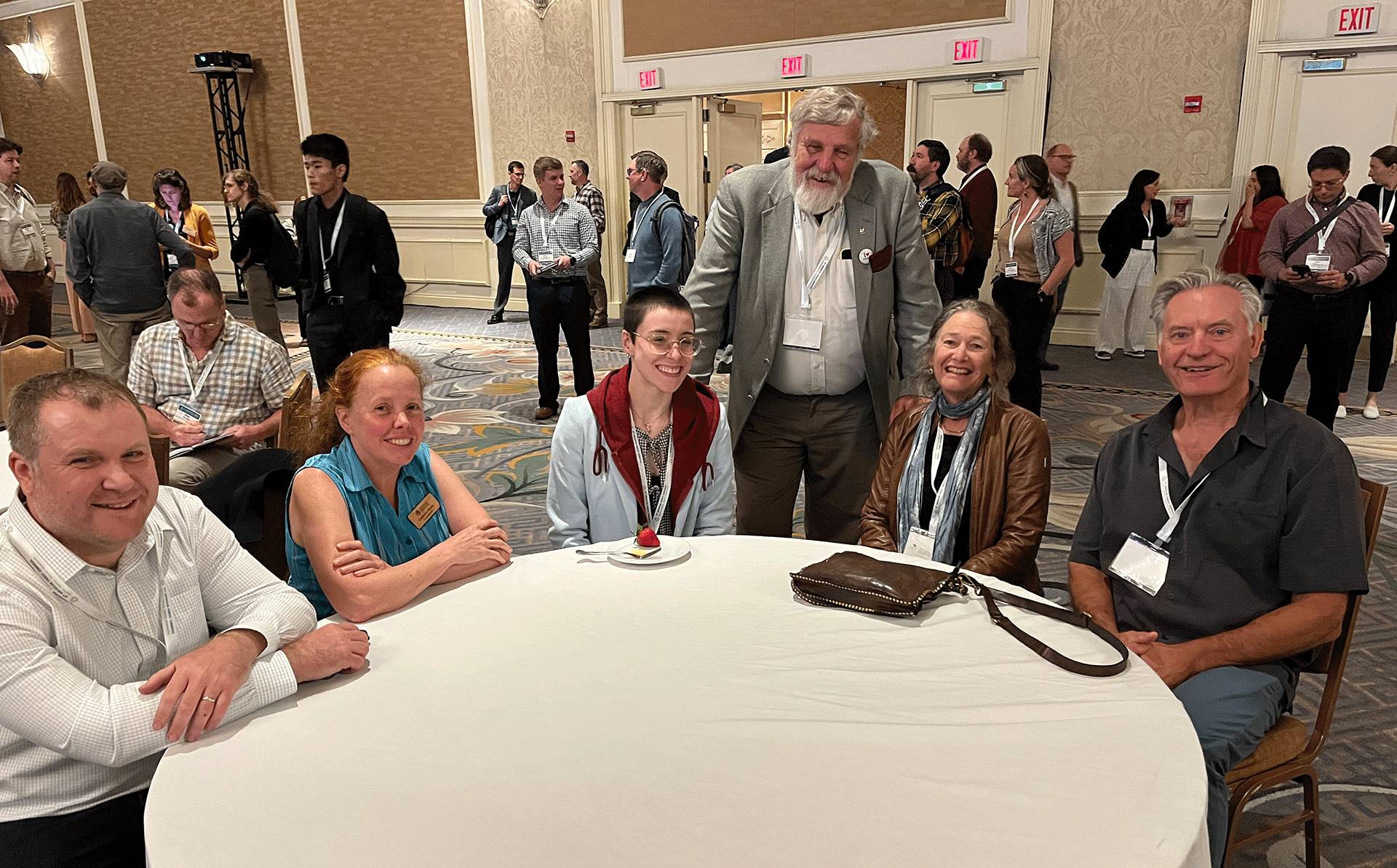
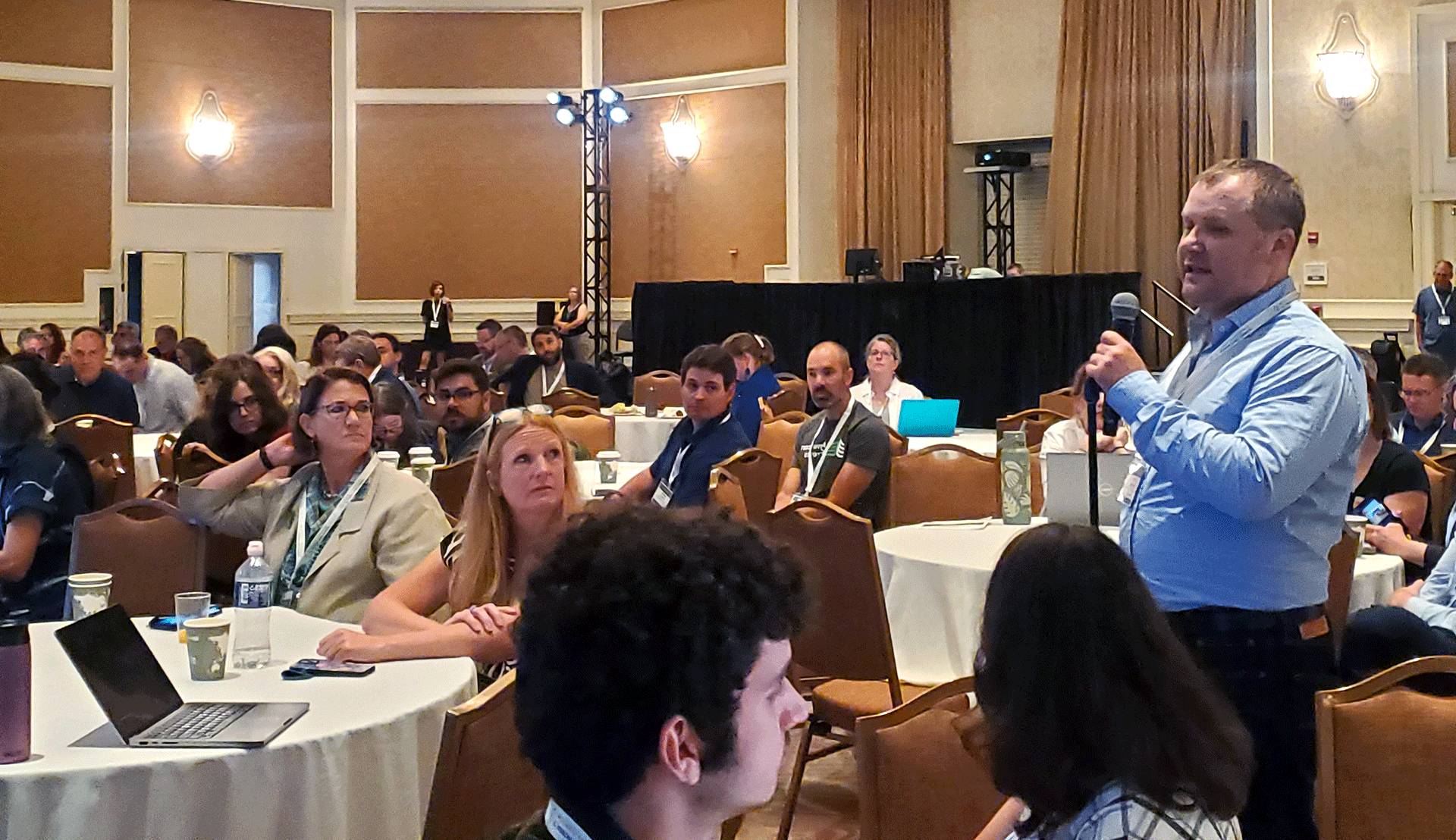
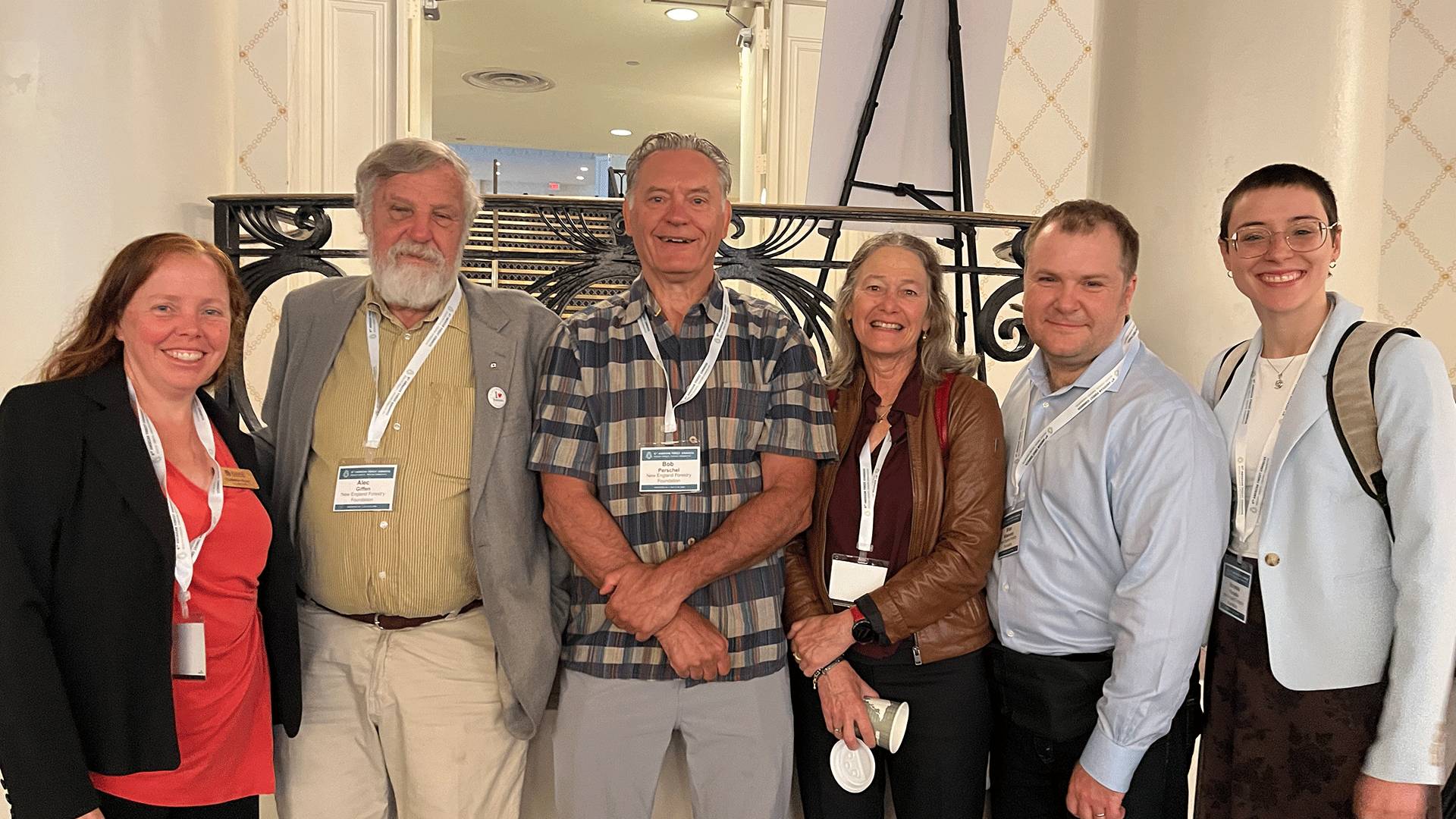
NEFF’s attending staff members are well prepared to enter into the thoughtful discussions that shape the congress. During the past six months, they have both crafted NEFF resolutions to present at the congress and participated in a series of preliminary workshops that discussed each of the four main themes of the congress: Sustainable Forest Products, Forest Health, Forest Resilience, and Reforestation. As the congress progresses, we will be engaged in each of these thematic discussions, working to shape the final resolutions that will in turn shape a new story for forestry.
We look forward to keeping you up to date on the Ninth Congress on this blog. Each day of the Forest Congress, a NEFF staff member will both share their experiences and one of NEFF’s key priorities for the event — our resolutions. Our next blog post will be about the following resolution:
A resolution to develop comprehensive legislative recommendations to advance markets for sustainable forest products and spur public and private sector investment that facilitates faster commercialization of the most promising innovations and products that benefit forest stewardship and retention goals.