Ninth Forest Congress Wrap-Up
Jul. 22, 2025
NEFF's Andi Colnes reflects on the team's week at the Ninth Forest Conference,…
Read More


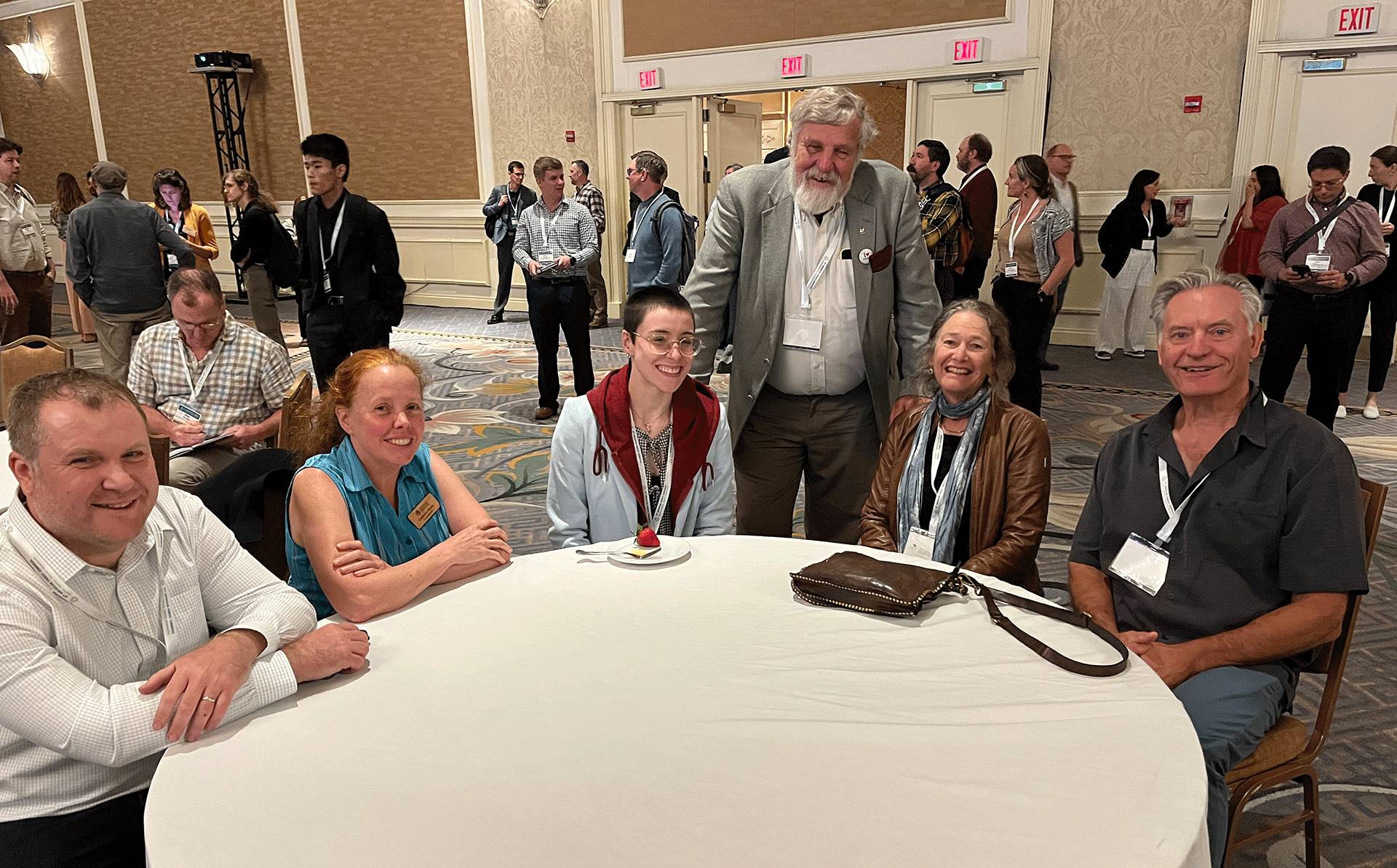
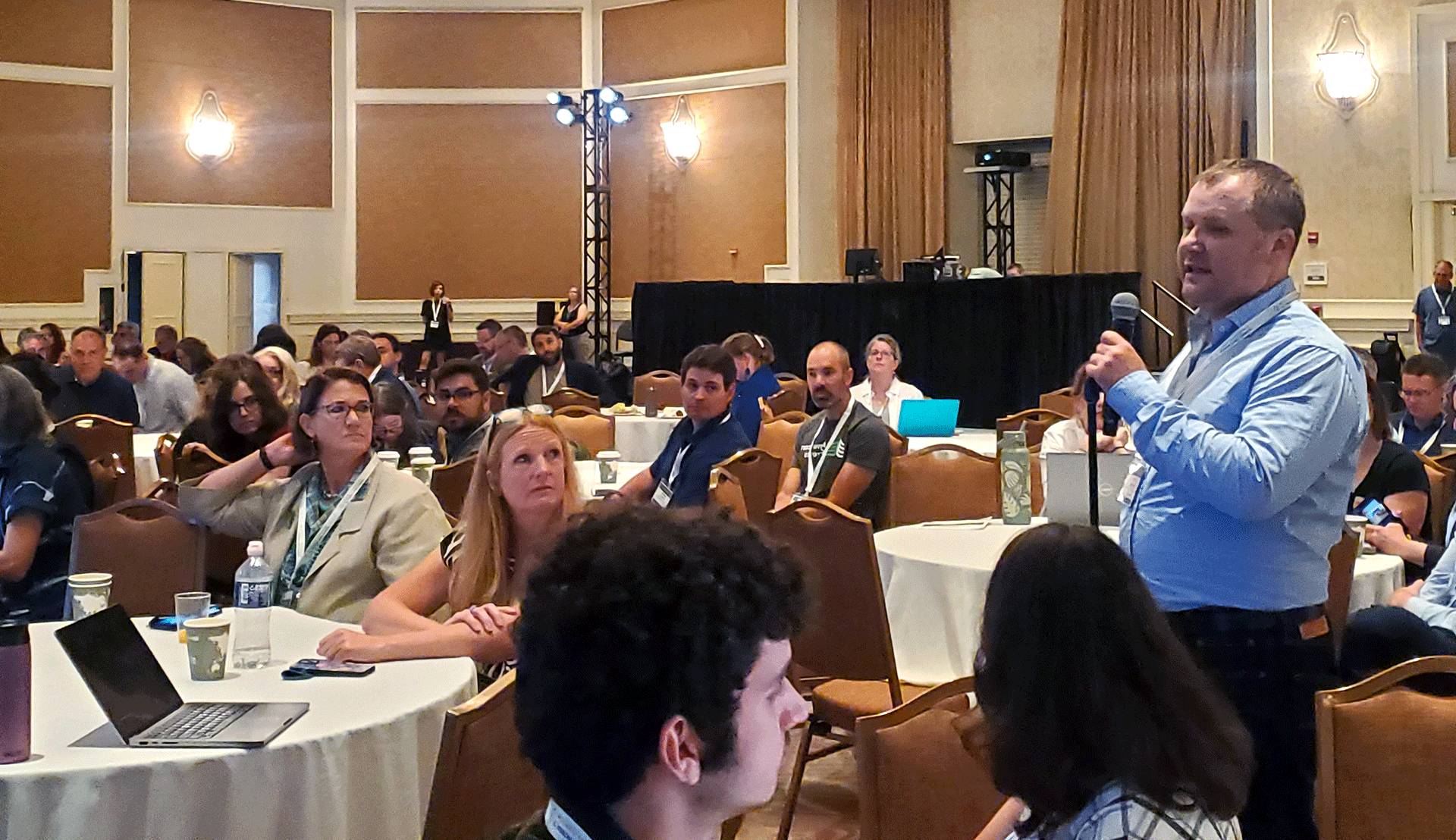
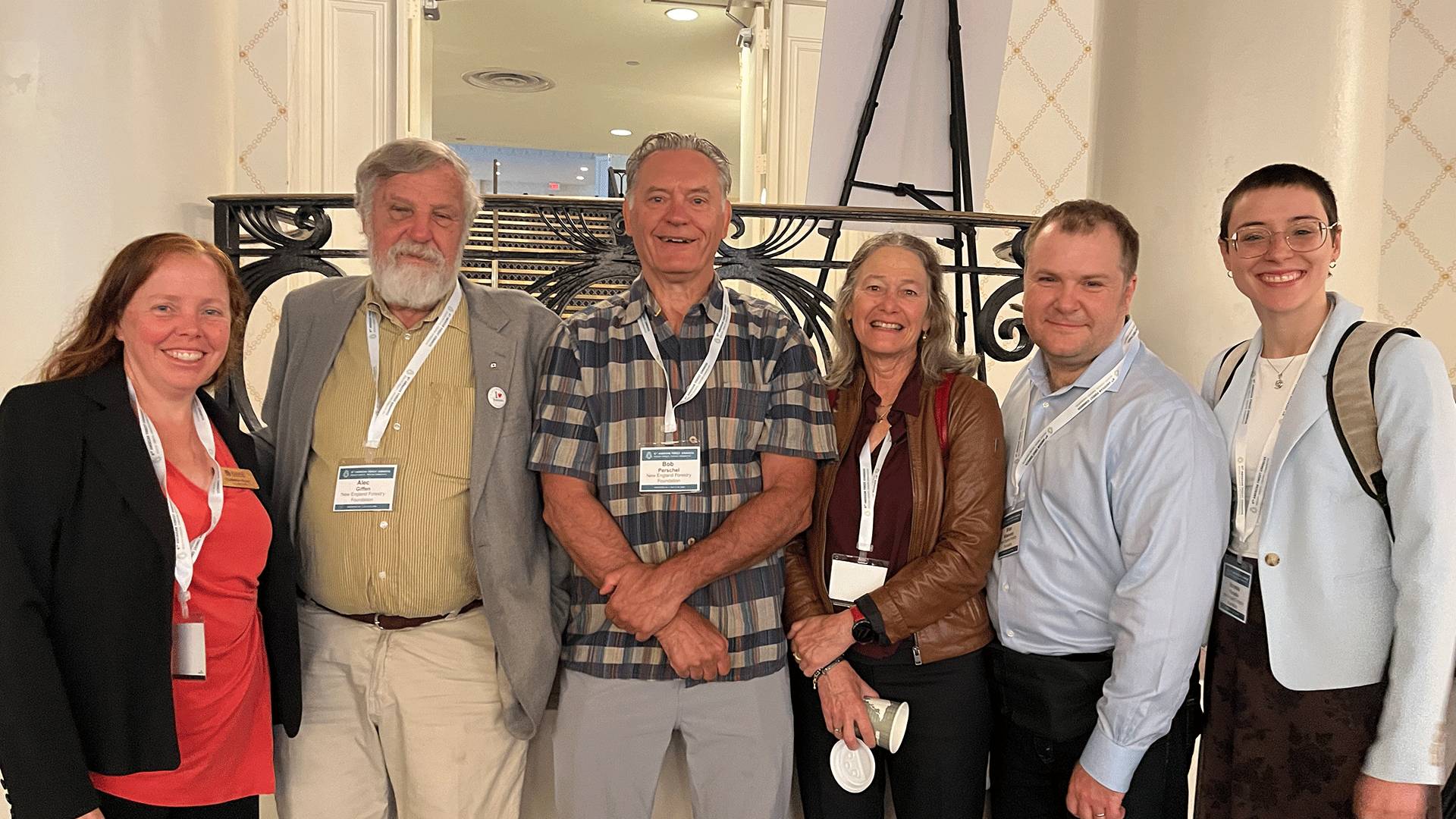
Thursday was a very productive day at the Forest Congress, in terms of approving draft Principles, editing and refining draft Resolutions, and building consensus. NEFF staffers spent most of the day in the “Resolution Room,” hashing out details and ensuring that the final products were reflective of NEFF’s core principles and priorities.
In a surprising development, following a very passionate discussion about whether even mentioning the term climate change would be too divisive, a Principle affirming the importance of considering climate change in forest management passed with overwhelming support.
Among NEFF’s successes on Thursday:
Friday morning, several of us from NEFF came back for an emergency 7:30 a.m. session to finish up the work of vetting the proposed resolutions. Through that process, we succeeded in moving NEFF’s remaining two resolutions on forest pests and communications through to a vote by the full Congress.
Now I’d like to share some background on the communications resolution and why it’s needed.
NEFF is known for its work managing and protecting forests. But working with people is a big part of what we do too. Forests provide a wide range of benefits for people, and people are essential to maintaining and stewarding forests into the future.
We believe it’s important for the public to understand the importance of active forest management for maintaining healthy forests and allowing forests to play an optimal role in addressing climate change. Public support is essential to enable the evidence-based management that’s needed on our public lands and to create public policy to support private landowners in maintaining and managing their forest lands that provide so many benefits to society at large.
Foresters are not always great at explaining what we do. There’s a joke often heard at professional meetings: “We didn’t become foresters because we like talking to people.” But we need to do better. We need to listen, understand public concerns about forest management, and better explain what we do in the forest and why.
At the Ninth American Forest Congress this week, NEFF introduced a resolution aimed at building momentum to do just that. We are proud to share that our resolution was passed by the Congress with 97 percent approval! Now we need to roll up our sleeves and do the work we all agreed is needed. NEFF hopes to continue our leadership on these issues through ongoing work with the New England Society of American Foresters.
Here’s the communications Resolution:
RESOLVED, to advance public understanding of the benefits forests provide and the essential roles of active forest management and conserving forests in maintaining these benefits through effective communication efforts. These efforts should: