NEFF Attends the Forest Congress: Passing Our Resolutions, and Day 4
Jul. 18, 2025
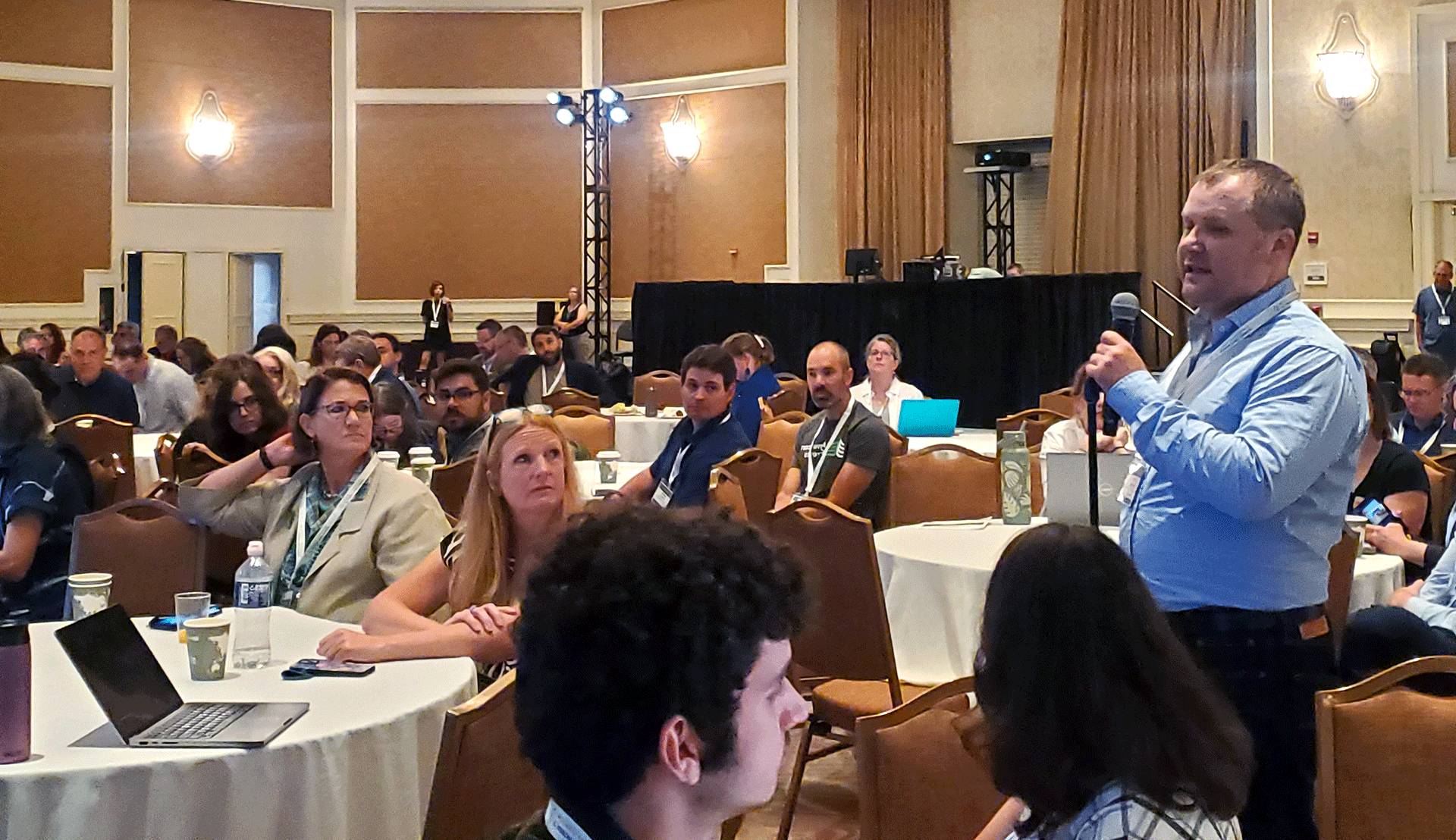
NEFF has had all of our proposed resolutions passed by the full Forest Congress!
Read More


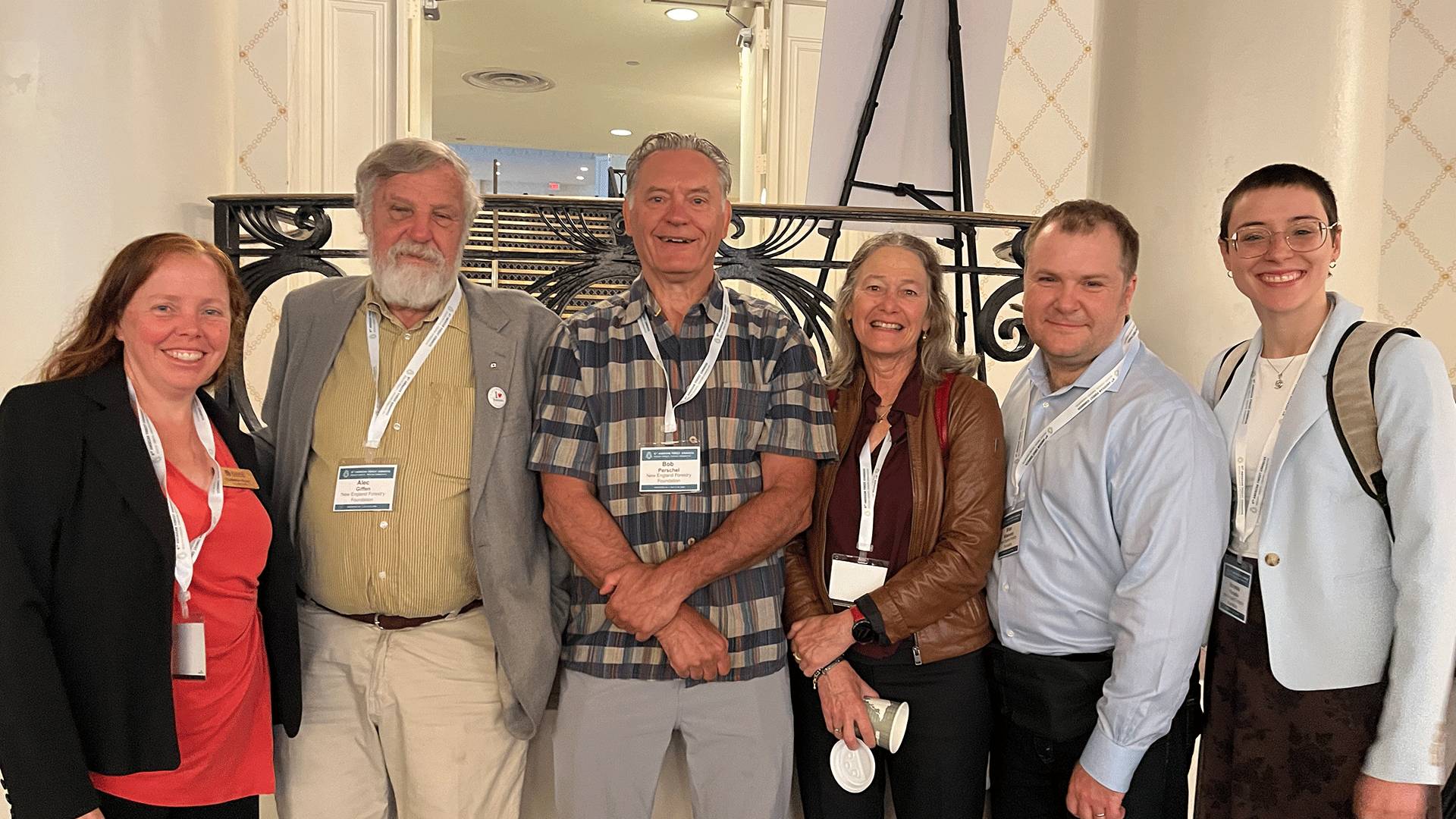
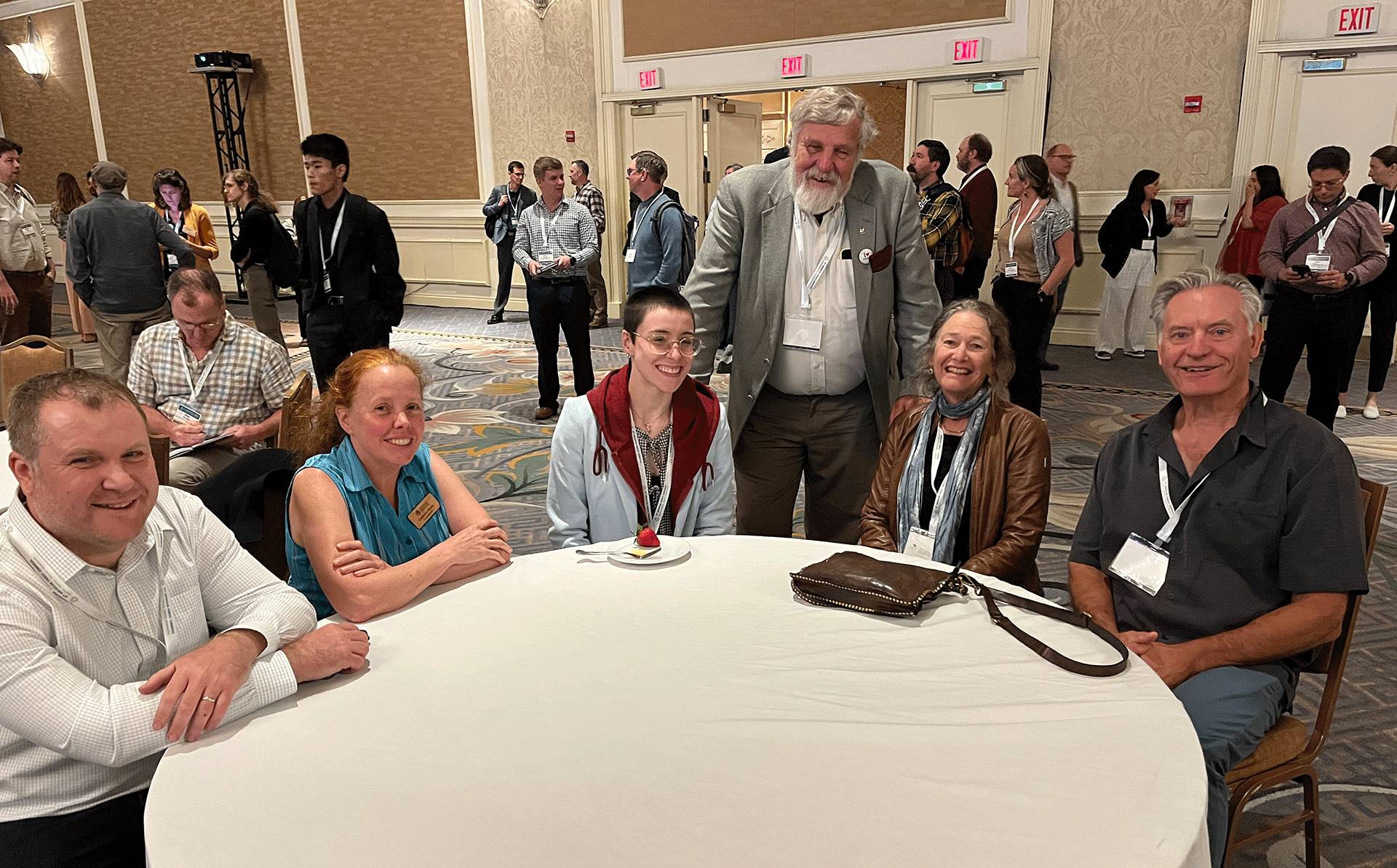
It’s a wrap. Last week centered on finding old colleagues and looking back across decades of work and drawing on our experience and expertise to inform the next chapter of forest policy and action. Over the past 150 years, the American Forest Congress has been convened when the forces impacting our forests hit an inflection point — when the pressures from natural and human forces were no longer sustainable and required a sea change in direction and practice.
This is one of those times: a changing climate, rampant wildfires, rising and transformative waves of pests and pathogens, high-stakes political evolution, and shifting forest economics are all intersecting in ways that demand a response. Equally, there are opportunities to take meaningful steps forward, like connecting financial markets to the role of forests in sequestering and storing carbon, and to using wood in bold new ways — like constructing tall buildings that offer strength, beauty and long-term carbon storage — to help bring climate-aligned forestry to scale.
The Forest Congress’ more than 400 participants grappled with many issues last week in Washington, DC, and their main output was a set of “Resolutions” across a suite of issues. Among these, NEFF’s team was particularly focused on four that touch on key factors that will shape forests in the years ahead:
There were a number of other important Resolutions, including the need to expand sustainable wood markets, the need for continued research and innovation, federal land stewardship, workforce development and more. As a package, these Resolutions provide an integrated platform for action in the public and private arenas.
The Forest Congress was convened with vision, and it was conducted in hope. And despite the challenges of the moment, it offered yet another chapter in this long legacy of leadership from those who care about, and work in and with our nation’s forests.
Onwards into the work ahead.