Stewarding the Future Forest at Sortwell Memorial Forest
May. 22, 2026
A planned timber harvest at Sortwell Memorial Forest will help guide the next…
Read More


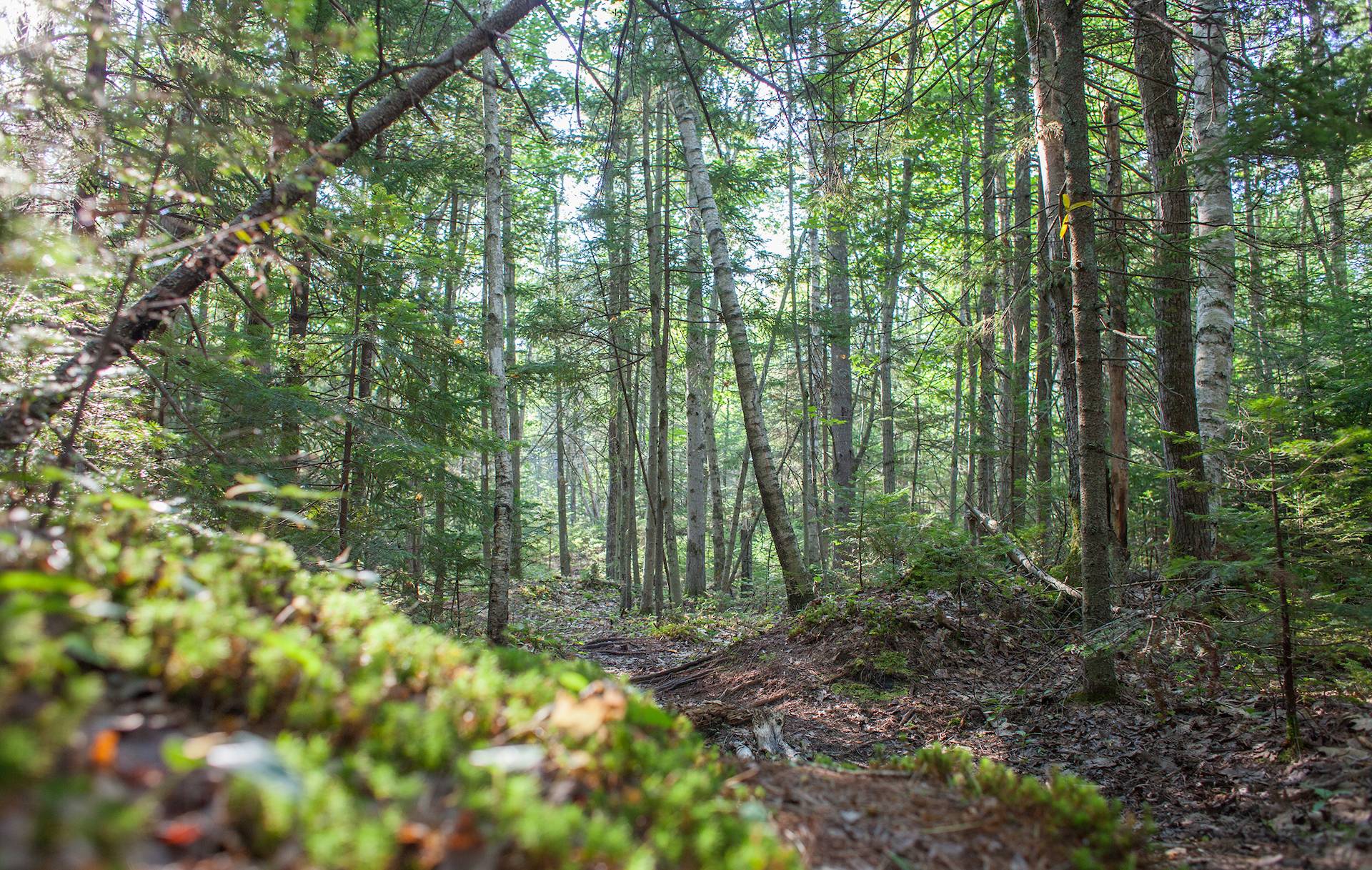
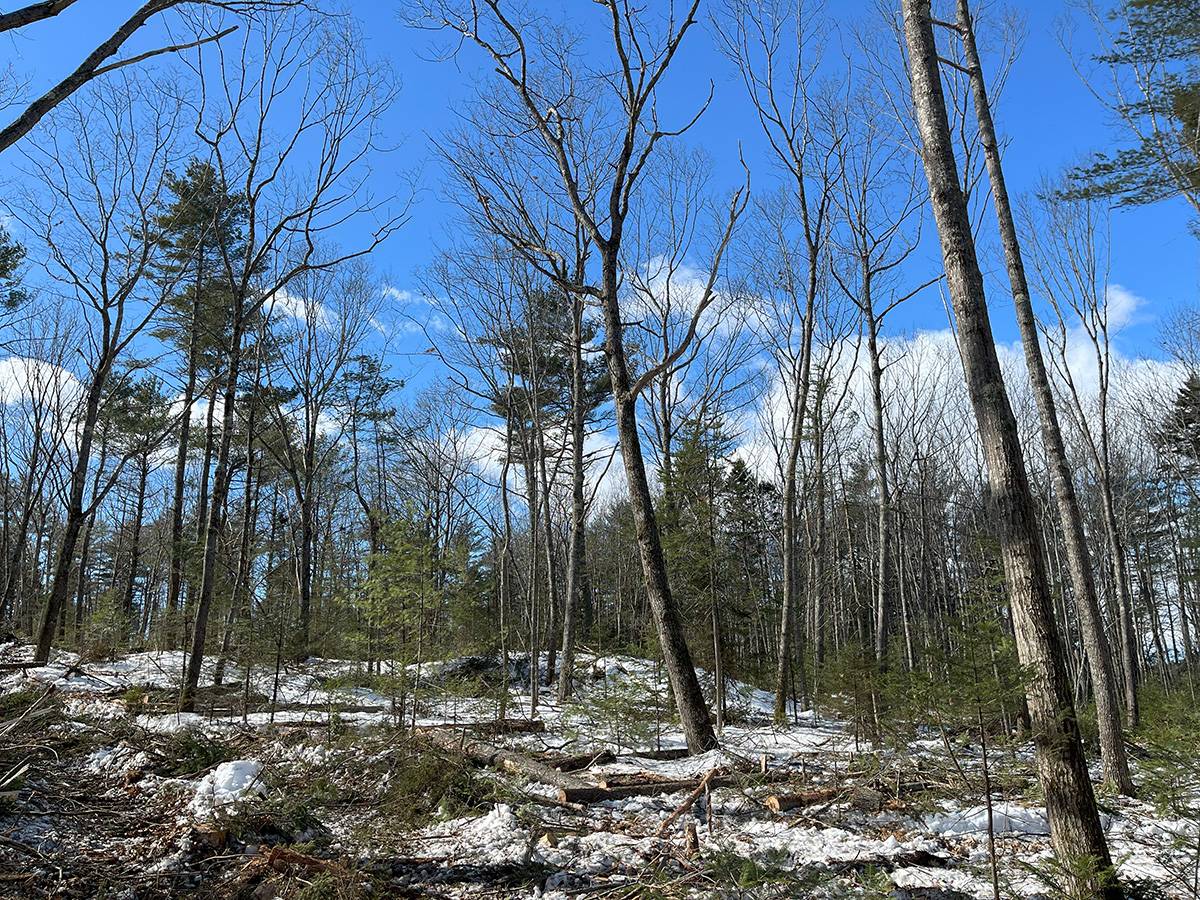
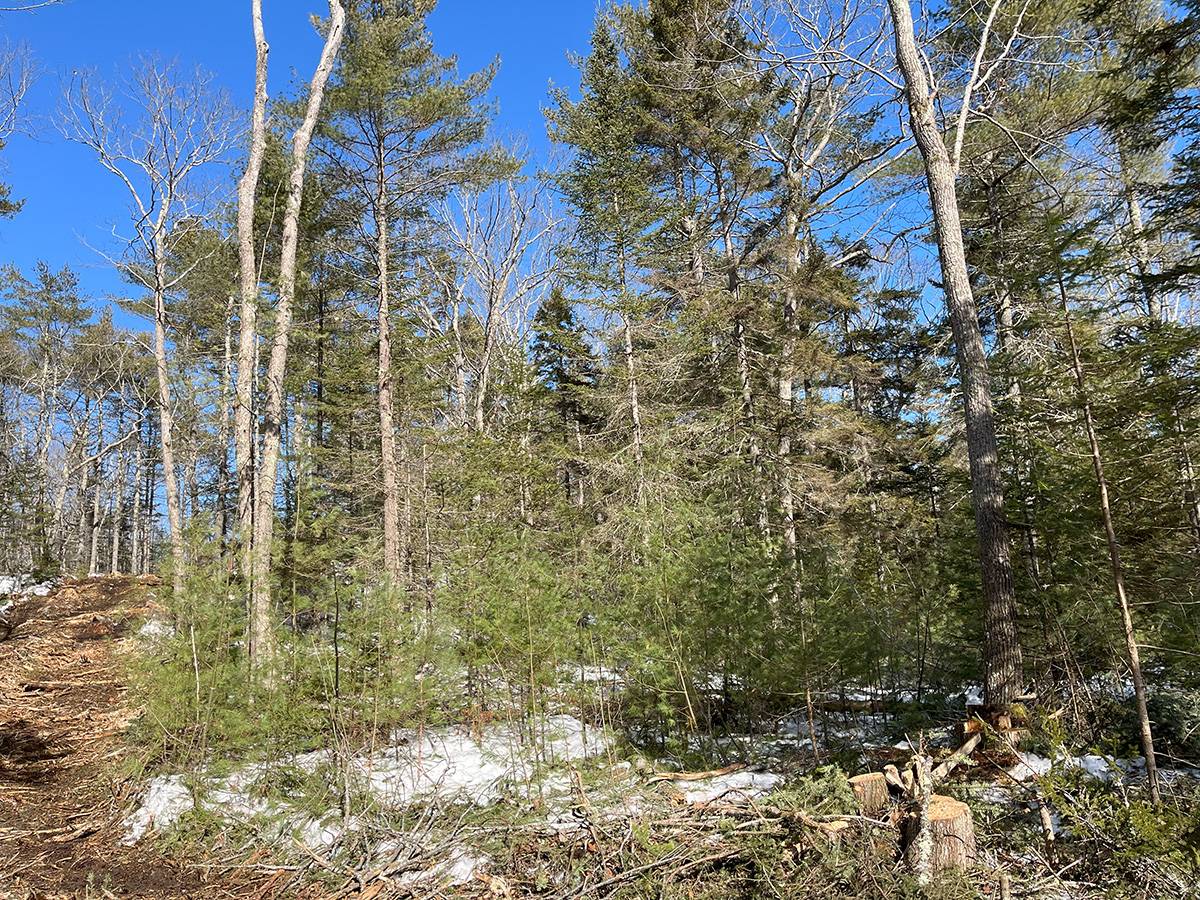
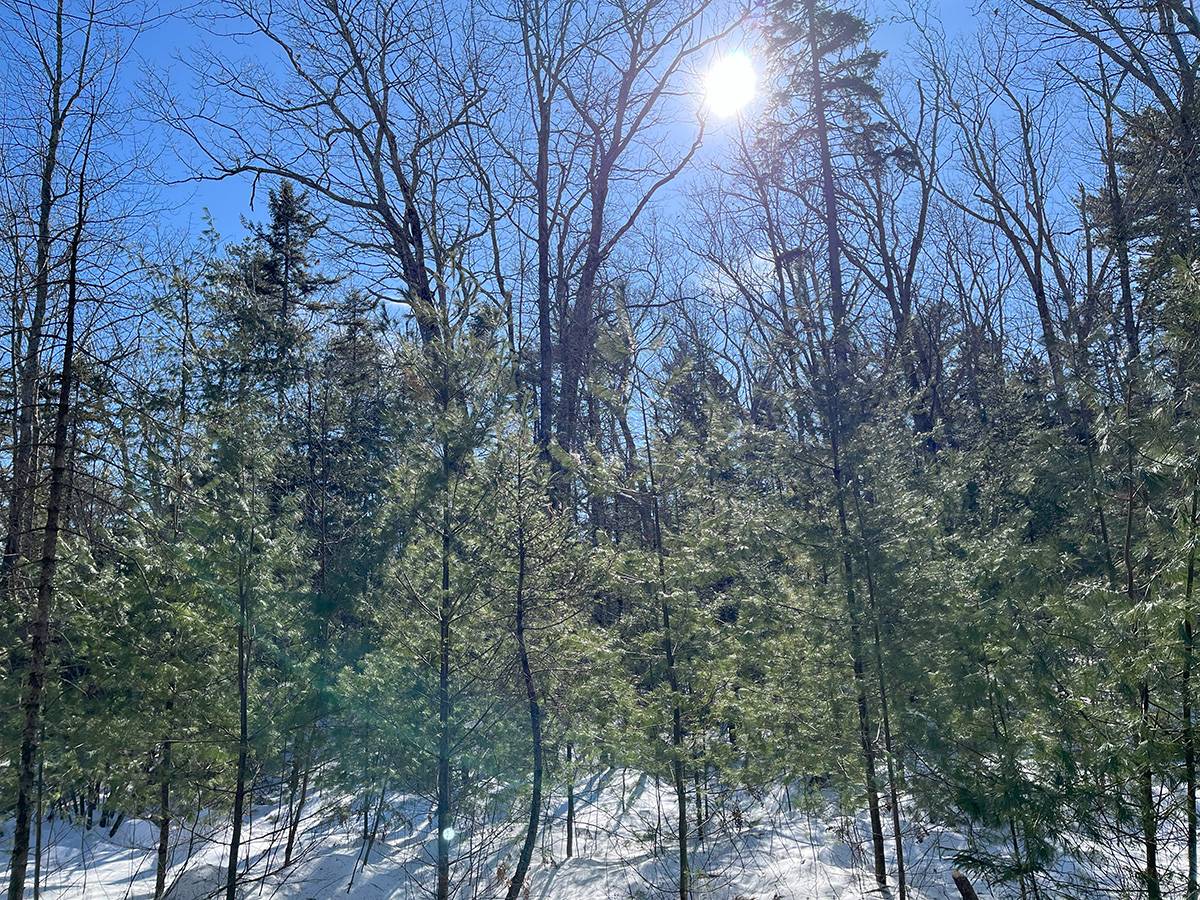
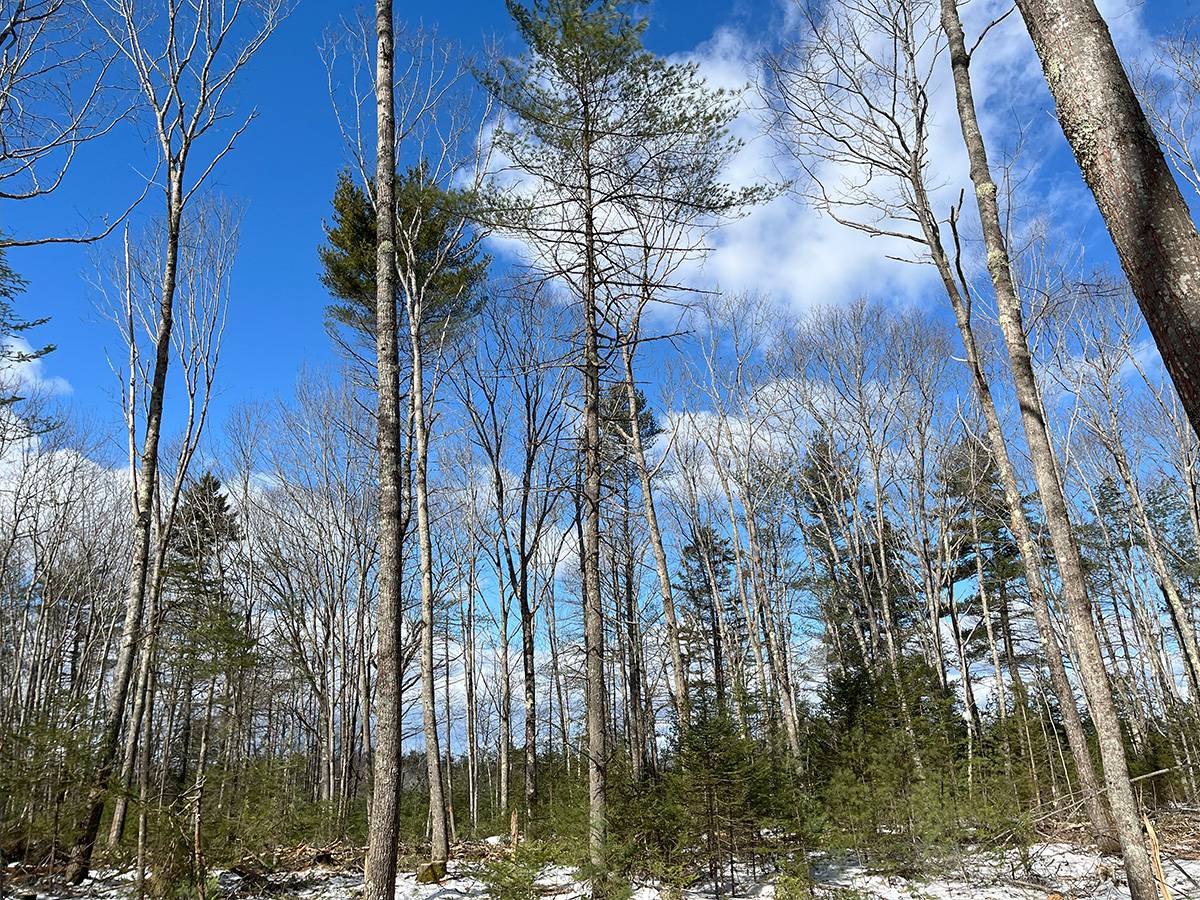
The spring 2025 timber harvest at Bliss Woods Preserve in Freeport, Maine marked the beginning of a new chapter in the forest’s renewal. Completed under NEFF’s Exemplary Forestry standards, the harvest has improved long-term forest health and has set the stage for new growth and regeneration.
To share this work with the community, NEFF hosted a woods walk at Bliss Woods Preserve on Thursday, May 8, 2025, at 9:00 a.m. A NEFF staff forester led the group through the forest, showing how careful management can strengthen forest health, support wildlife, and advance climate goals. The walk offered a chance to ask questions and see Exemplary Forestry in action. Keep an eye on our events page for future woods walks.
The last harvest at Bliss Woods took place in 2008, meaning it’s been seventeen years since active forest management here. The goal of this harvest was to thin the forest, removing lower-quality trees to promote the growth of high-quality Red Oak and White Pine. These trees will eventually be used in long-lived wood products, which store carbon and support the local bioeconomy.
Harvests, like those that typically happen every 15–20 years on NEFF forestlands, produce the wood-based materials we all use. From paper-derived products like cardboard packaging, to high-quality wood furniture and building materials for homes and offices, we all rely on and benefit from wood in its various forms. In order to fight climate change, it is important we move from highly polluting products like plastic, concrete and steel to bio-based, highly recyclable products like wood whenever possible.
NEFF recognized that Bliss Woods is a beloved community forest, so we took extra steps to preserve the property’s beauty and accessibility:
While sections of Bliss look different after the harvest, this is a recurring transition we go through every 15 or 20 years. In the days, months, and years ahead, we hope visitors take the opportunity to carefully observe the regeneration of the forest and the accelerated growth of the remaining trees: Closely note the changes in the ecological landscape, watch for the formation of new habitats, look for visiting wildlife, and more. In short, we invite you to learn how Exemplary managed forests are healthy, thriving forests.
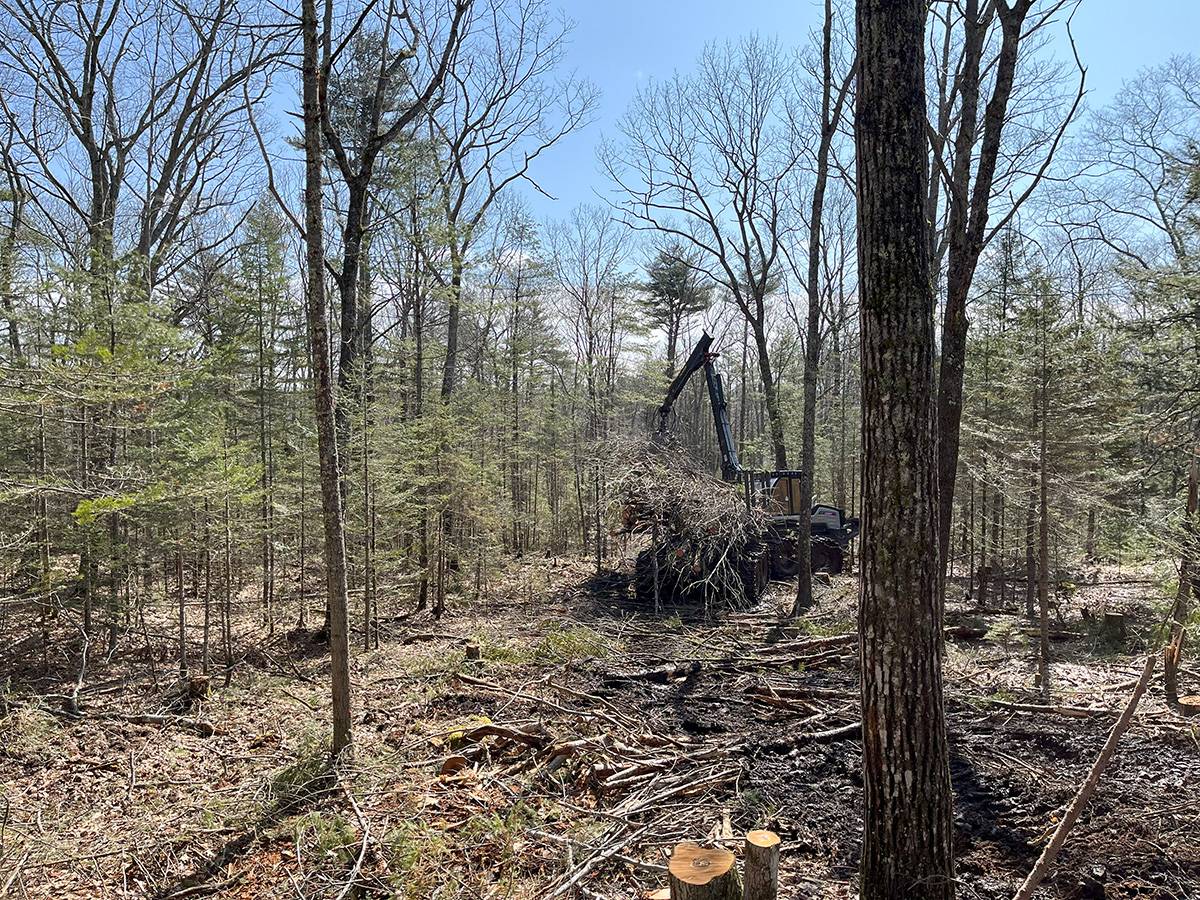
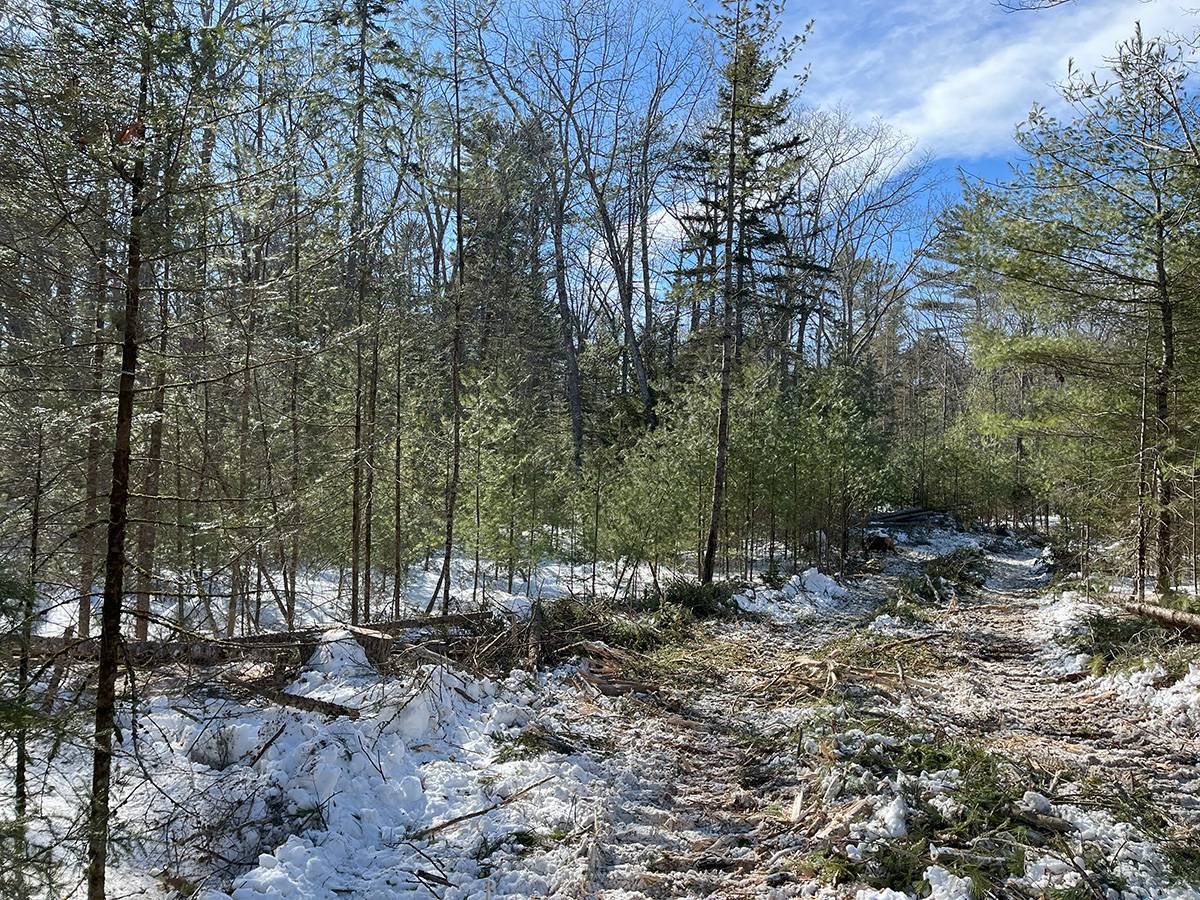
The cut-to-length timber harvesting method was used at Bliss Woods because it was efficient, reduced ground disturbance, and minimized waste. Unlike other methods, it left brush (slash) on the forest floor, which helped with erosion control and kept carbon in the forest rather than releasing emissions through chipping or hauling.
This method also created narrower skid trails because the harvester had a longer boom (15–17 feet off the trail), allowing it to cut trees with minimal impact to surrounding vegetation. The harvester also carefully controlled the tree stems after felling and delimbing, which reduced damage to neighboring trees.
One of the biggest ecological challenges at Bliss Woods has been the spread of invasive species, particularly glossy buckthorn, which was heavily concentrated around the parking lot and trail entrance. As part of our climate-smart forestry approach, NEFF invested $3,000 in pre-harvest invasive species treatment and will conduct a follow-up treatment in the future. By addressing this issue, we helped protect native trees and set the stage for the long-term health of Bliss Woods.
In addition to forest management, NEFF invested in parking lot improvements following the harvest. These upgrades smoothed out existing divots, improved grading, and slightly expanded the lot to better accommodate visitors.
NEFF plans to return in summer 2026 for timber stand improvement work. At that time, our focus will shift to tending the best trees, helping young regeneration thrive, and reducing competing vegetation. This work will be done with precision hand tools like handsaws and machetes, allowing for careful, on-foot management of the forest’s future.
We’ll continue to share how Bliss Woods is evolving — new seedlings taking root, wildlife returning, and healthier trees gaining space to grow. Ongoing care, including future timber stand improvement, will help guide this regeneration. Thank you for supporting the long-term health of this forest so it can thrive for generations to come.