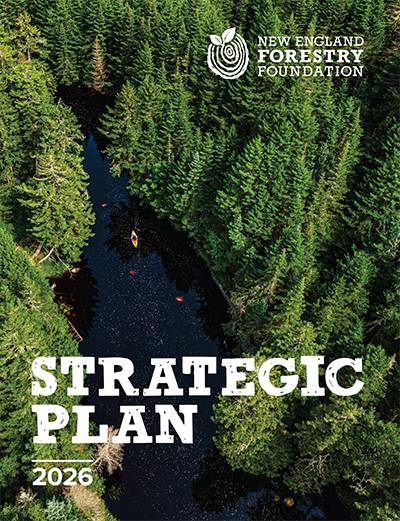
Strategic Plan
Jul. 14, 2026
New England Forestry Foundation (NEFF) has undertaken an organization-wide…
Read More

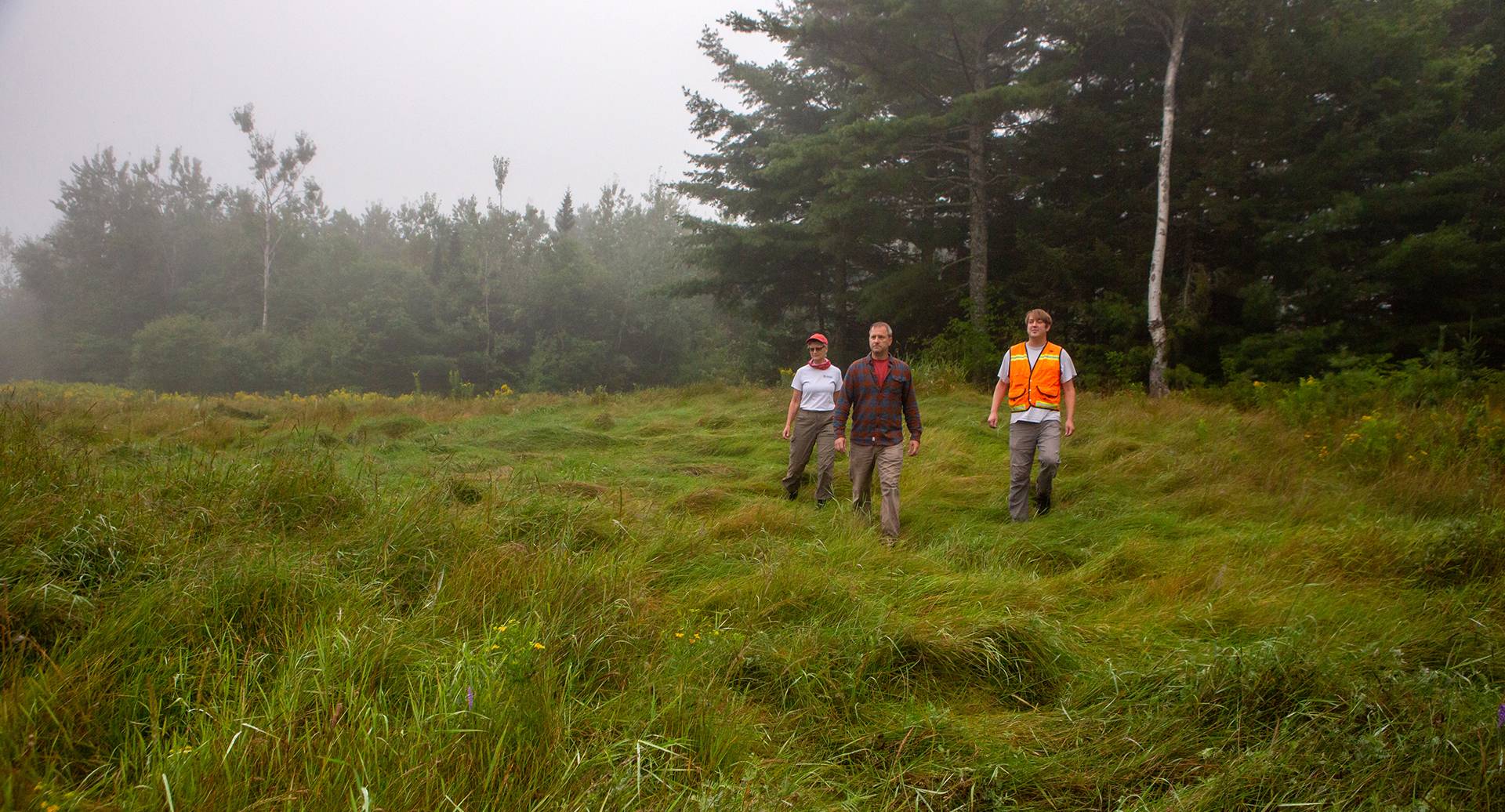
We harness the power of New England’s forests for the good of nature, climate, and communities.
A New England landscape where responsibly managed forests sustain ecological integrity and biodiversity, strengthen regional economies, and mitigate climate change.
Strategic planning is an ongoing part of how New England Forestry Foundation (NEFF) focuses its work and adapts to new opportunities and challenges. Each plan reflects where we believe we can make the greatest impact for New England’s forests, while building on the knowledge, partnerships, and experience we’ve gained over time.
Our current strategic plan is rooted in a simple but important question: What must happen to ensure New England’s forests continue to provide the benefits we all depend on? The answer guides our priorities for the years ahead and reflects our belief that New England’s forests remain one of the region’s greatest assets.
Forests clean our drinking water, store carbon, provide wildlife habitat, support outdoor recreation, sustain rural jobs, and supply renewable materials that can help reduce our dependence on more carbon-intensive products like steel and concrete. Yet the pressures facing forests continue to grow. Development fragments forestland. Climate change increases stress on ecosystems. Invasive pests and diseases threaten forest health. And too often, the economic systems that shape land-use decisions fail to reward long-term stewardship.
One of the most important realizations to emerge from our planning process was that we do not have a knowledge problem. We already know a great deal about how to manage forests for climate benefits, biodiversity, clean water, recreation, and sustainable wood production. The challenge is that many of those practices are difficult to implement at scale because the financial incentives do not yet align with the public benefits forests provide. That insight is reflected in the three core strategies of our current plan.
None of our goals matter if forests continue to disappear. Conservation remains foundational to our mission. We will continue protecting important forestlands, stewarding our Community Forests, and ensuring that the conservation lands entrusted to our care remain protected and well-managed for generations to come.
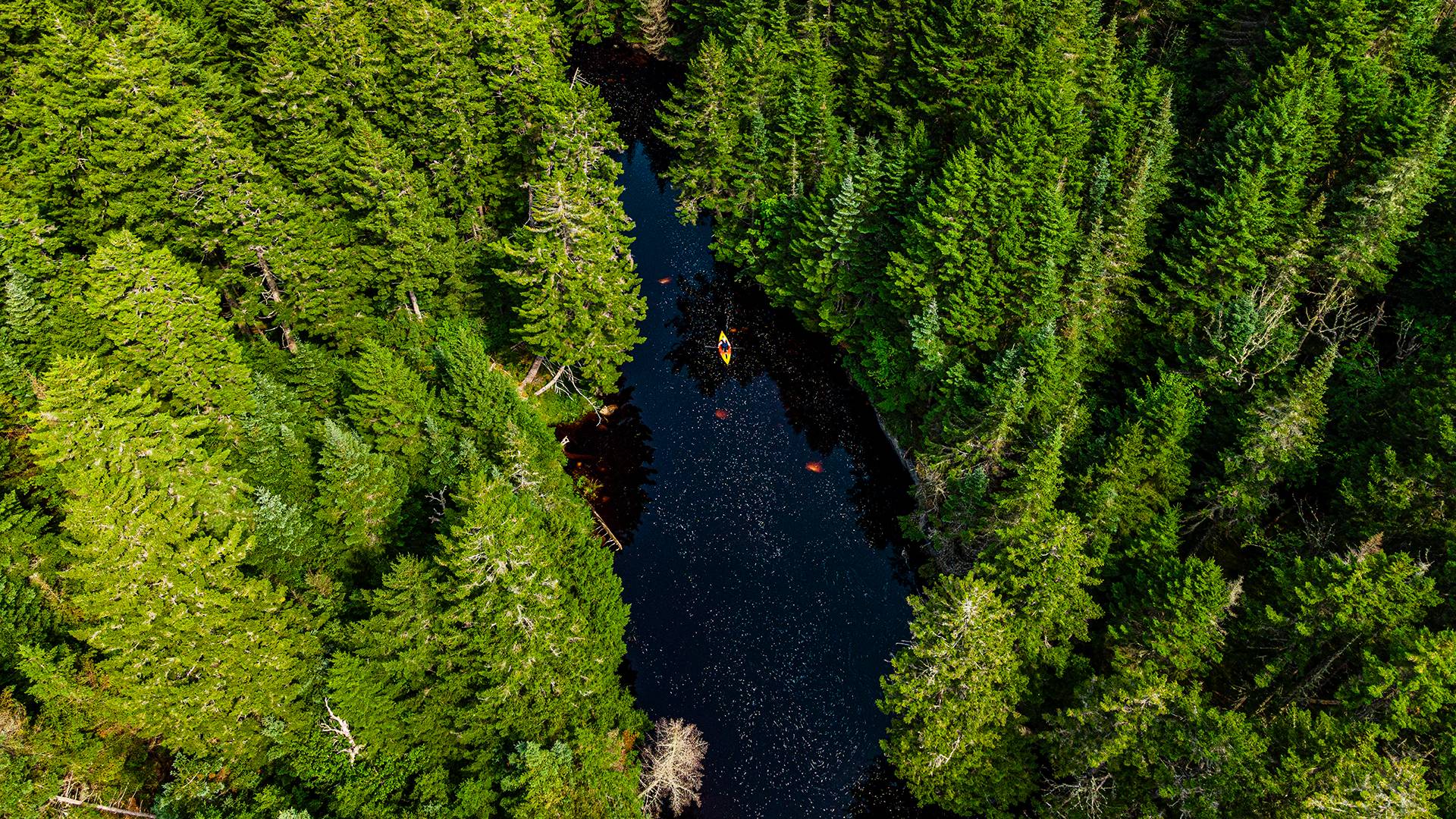
Exemplary Forestry must be continuously tested, refined, and demonstrated in the real world. Through our Community Forests and partner lands, we will evaluate outcomes, learn from experience, and share those findings with landowners, policymakers, conservation partners, and the public. Our forests will increasingly serve as living laboratories where people can see firsthand how these practices work on the ground.
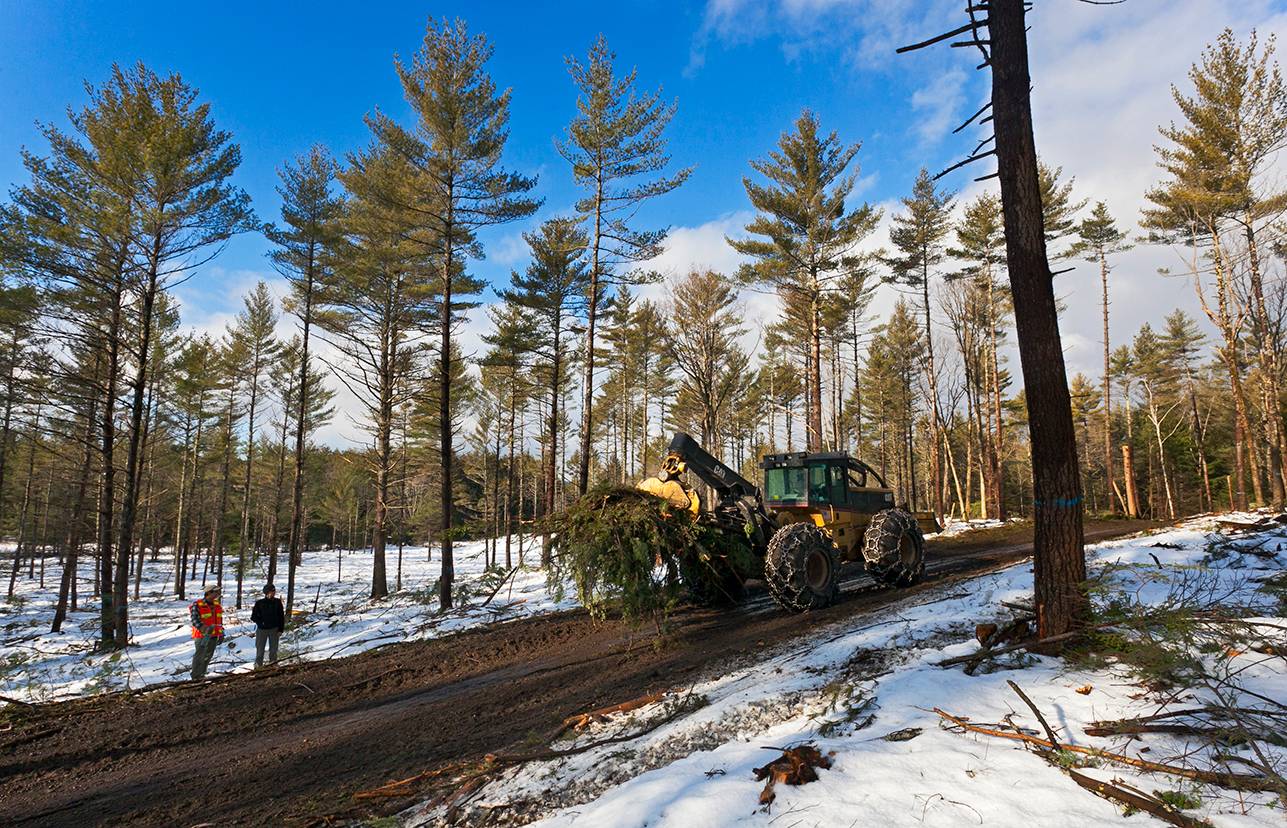
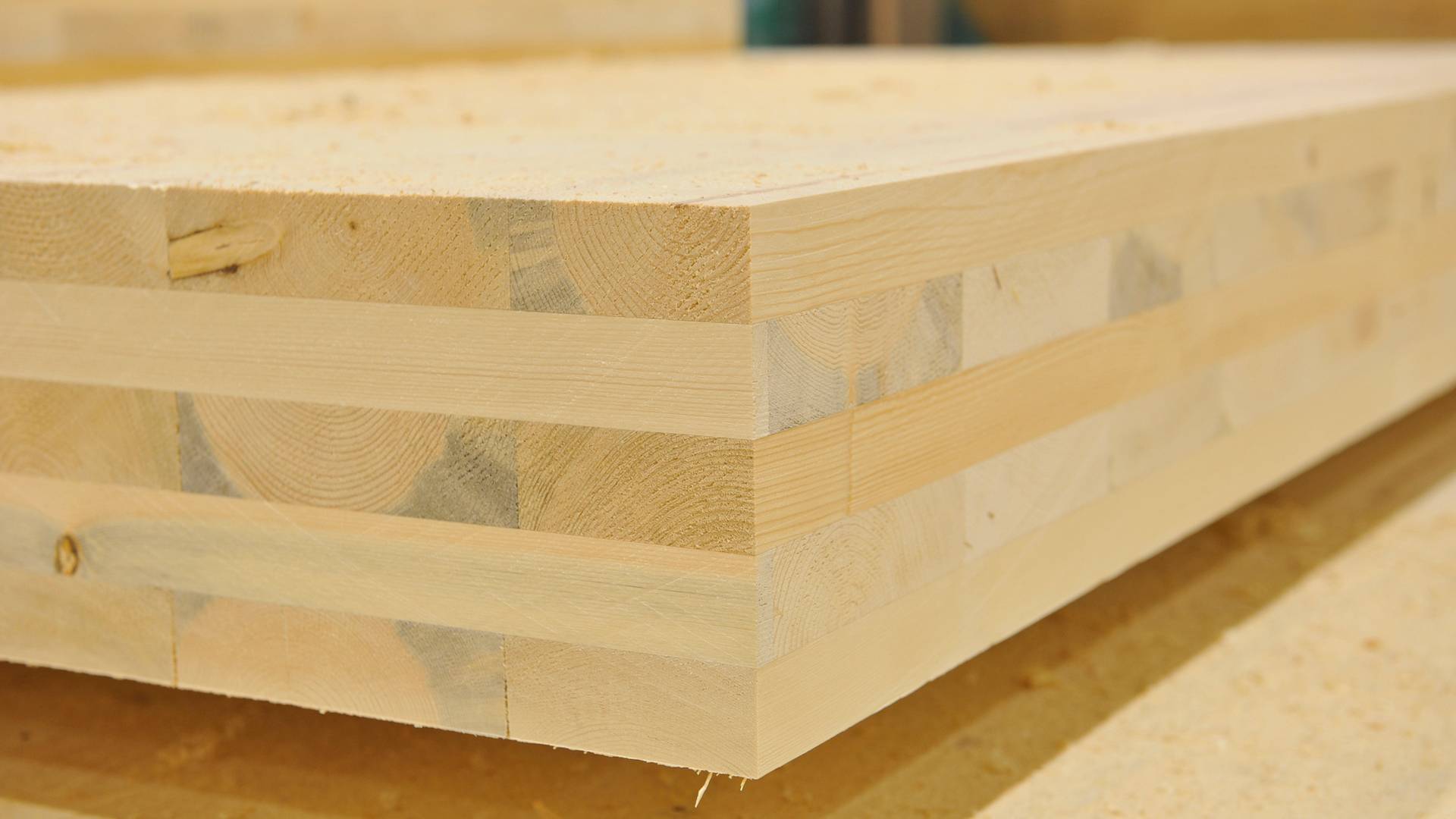
We must overcome market barriers that limit the adoption of Exemplary Forestry practices. If Exemplary Forestry is going to spread across millions of acres, it must make economic sense for the people who own and manage those forests. That means developing new incentives, exploring carbon and ecosystem-service markets, supporting innovation in forest products, and helping grow demand for wood sourced from responsible forest management.
The future of New England’s forests will be shaped by the choices we make today. Our current strategic plan outlines the priorities guiding our work over the next several years, while recognizing that strategic planning is an ongoing process. As new opportunities, challenges, and knowledge emerge, we will continue to refine our direction to ensure NEFF remains focused on delivering the greatest possible impact for New England’s forests.