Stewarding the Future Forest at Sortwell Memorial Forest
May. 22, 2026
A planned timber harvest at Sortwell Memorial Forest will help guide the next…
Read More


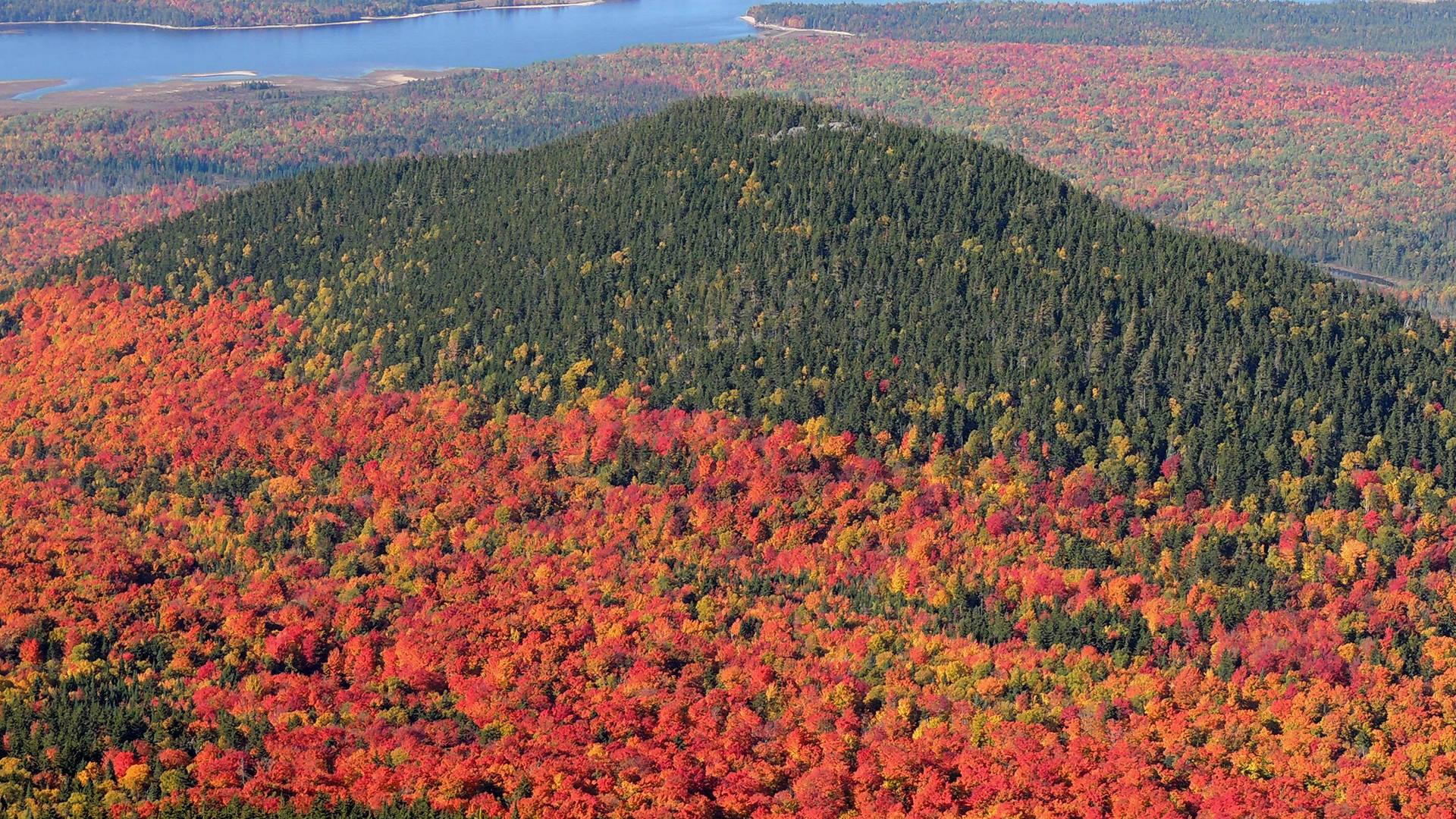
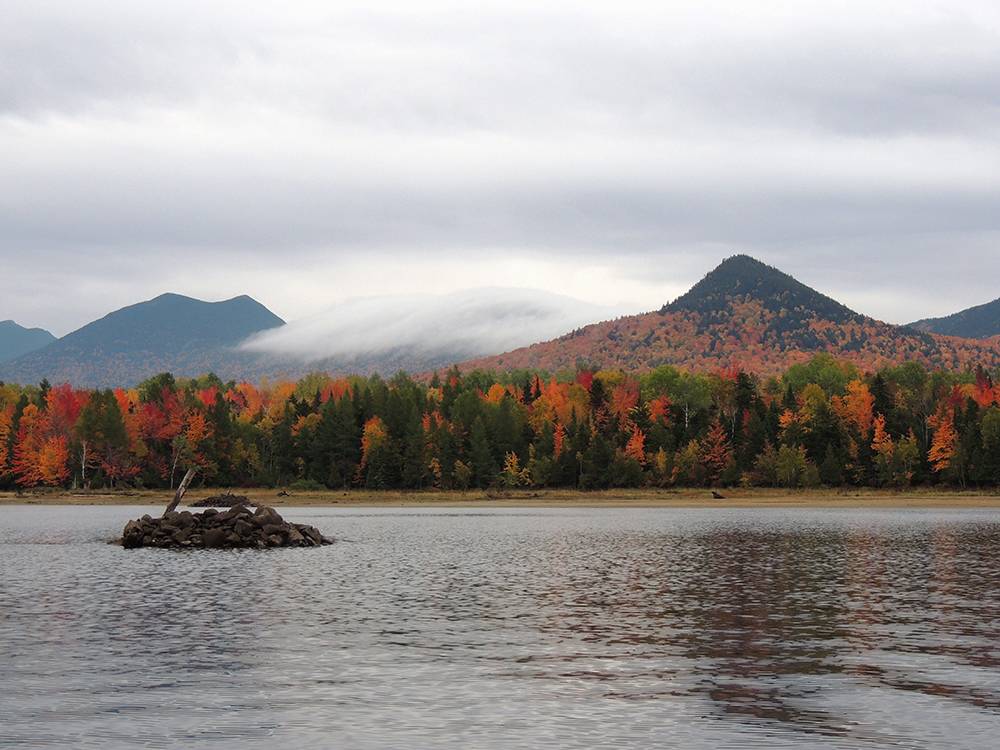
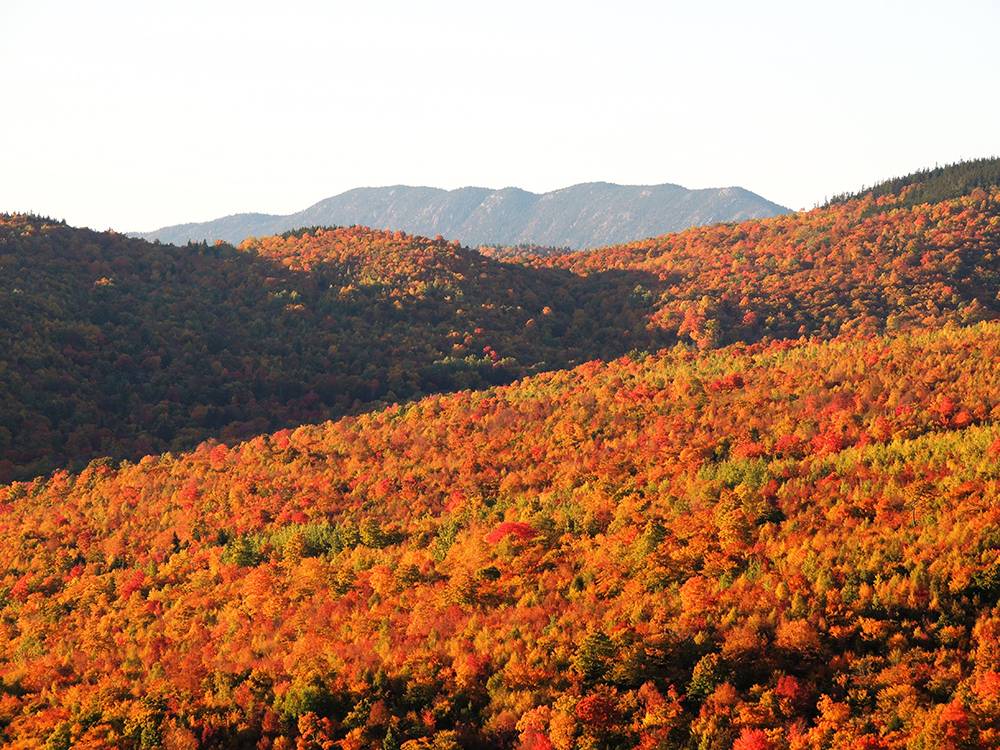
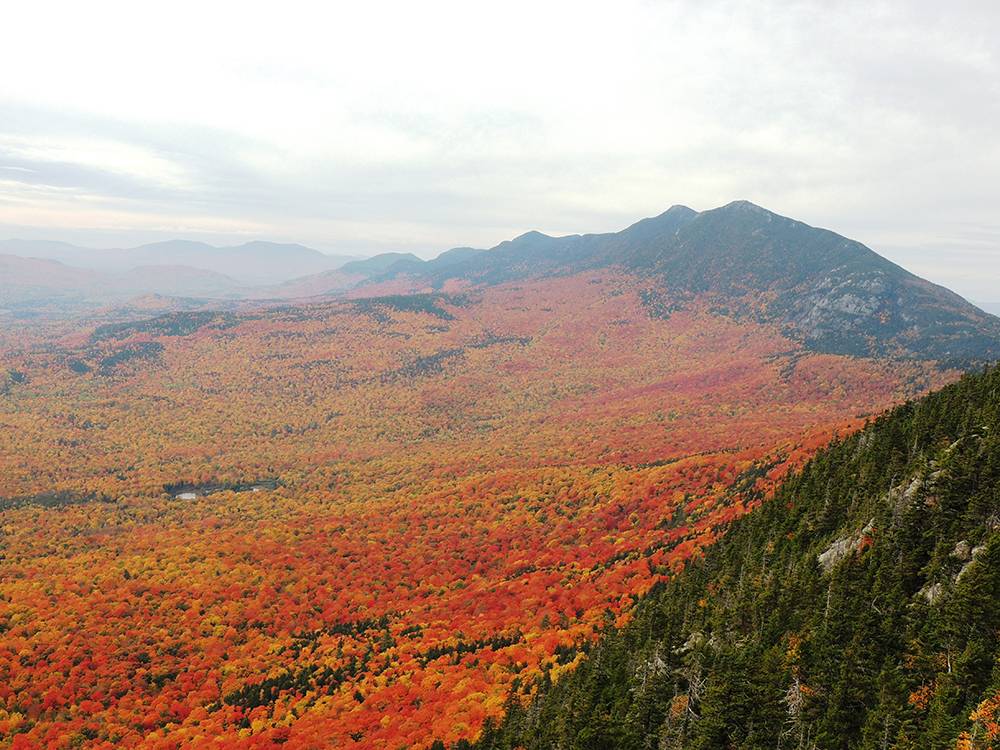
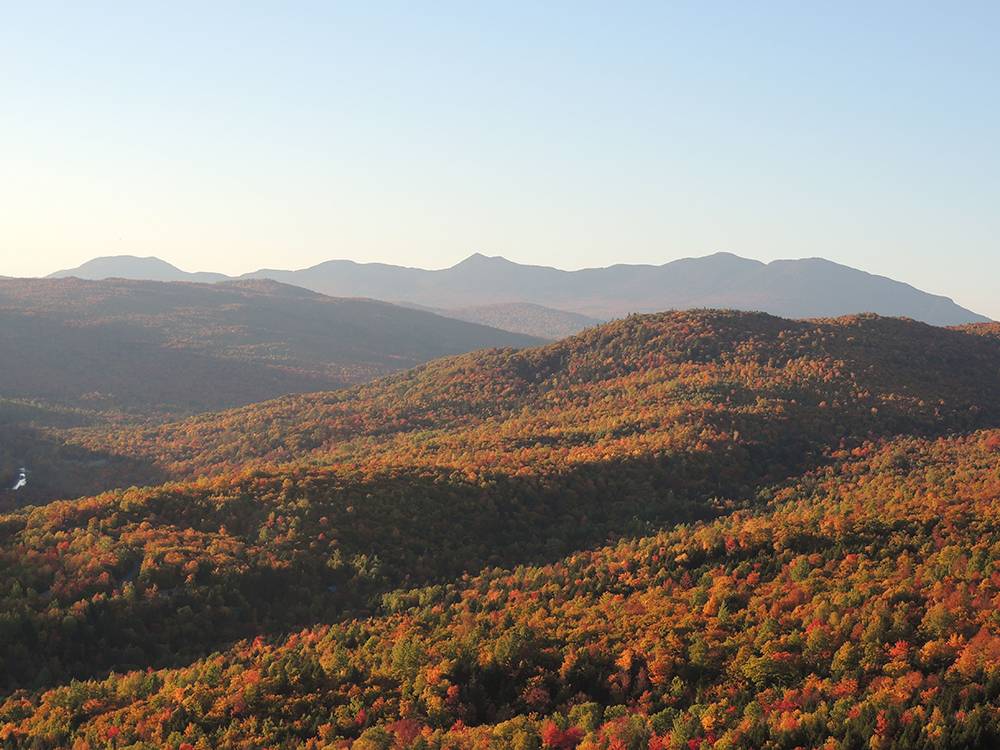
The real reason New England has the world’s best fall foliage is the diversity of tree species in our forests, which creates such an extraordinary color bouquet. Sugar maple can paint a hillside flaming orange, but ash adds the purple, beech the golden undercurrent, red maple the deep red highlights, and oak burnishes it all with copper. Meanwhile, pine, spruce, and hemlock offset it all with their lush evergreen foliage.
The more diverse a forest becomes, the richer its foliage palate. American basswood, a deciduous tree that loves productive sites, has leaves that turn a crystal-clear lemon color different from the deeper yellow hues of bigtooth aspen. Shagbark hickory leaves turn a smokey orange that stand out beautifully in any mixture of autumn trees.

Shagbark hickory. Plant Image Library from Boston, USA, CC BY-SA 2.0, via Wikimedia Commons
And while nature deserves most of the credit for creating this beautiful mixture, the New England Forestry Foundation (NEFF) also does its best to nurture it through Exemplary Forestry, our sustainable approach to managing the region’s complex forests.
For example, Exemplary Forestry enhances the resilience of forests to disturbances by fostering stands with high tree species diversity — the very same diversity that benefits fall foliage. As valuable as red and white oak are as a source of sawtimber, NEFF is careful not to create pure oak stands by removing all other species during harvests because pure oak stands are especially susceptible to defoliation by exotic spongy, browntail, and winter moths. When conducting thinning in dense young stands of conifers, NEFF will retain a mixture of hardwood species and will favor spruce over fir trees, even if the latter are larger, because pure fir stands are at great risk of spruce budworm infestation.
That is to say, Exemplary Forestry doesn’t remove complexity from ecosystems, and indeed, it favors richly complex ecosystems. The tree composition of forests managed with Exemplary Forestry never consists of just one or two “optimal species.”
NEFF is exploring how to further protect these tree species. Some of the trees that contribute to our diverse forests are threatened by exotic pests and pathogens that could eventually eliminate them from the landscape. These include white, green, and black ash, each threatened by the emerald ash borer; eastern hemlock, threatened by the hemlock woolly adelgid; and the American beech, threatened by beech leaf disease.
NEFF received a $15,000 grant from the Open Space Institute in September to develop a strategy for implementing “Integrated Pest Management” on our 41,000 acres of owned land, which means it will become possible for us to take diverse actions to improve the health of threatened trees and to directly treat exotic pests and pathogens. Stay tuned for more information — we’ll post a blog about NEFF’s efforts to protect hemlocks from the hemlock woolly adelgid and beech trees from beach leaf disease in our properties in southern Maine.
In the grand scheme of things, NEFF’s work to implement Integrated Pest Management on key portions of our land will both help maintain the commercial and habitat value of these native tree species, and help ensure that future generations of New Englanders will still know the purple blush of an ash tree in late September, contrasted with the deep, shaggy green of hemlock crowns.
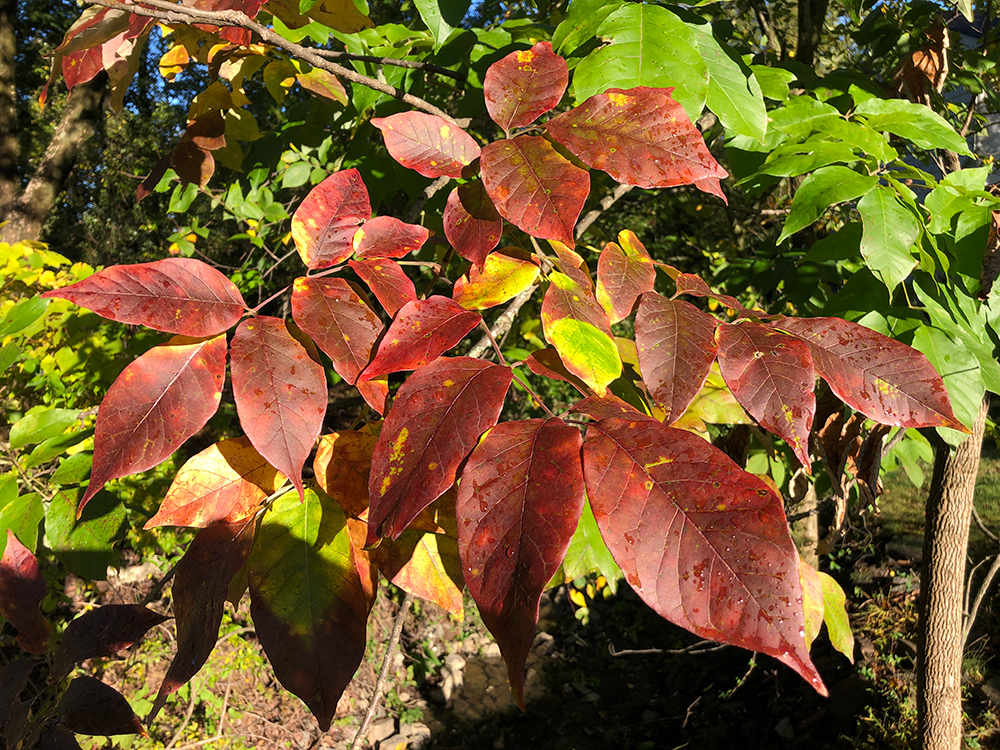
White Ash. Photo: Famartin, CC BY-SA 4.0, via Wikimedia Commons