Stewarding the Future Forest at Sortwell Memorial Forest
May. 22, 2026
A planned timber harvest at Sortwell Memorial Forest will help guide the next…
Read More


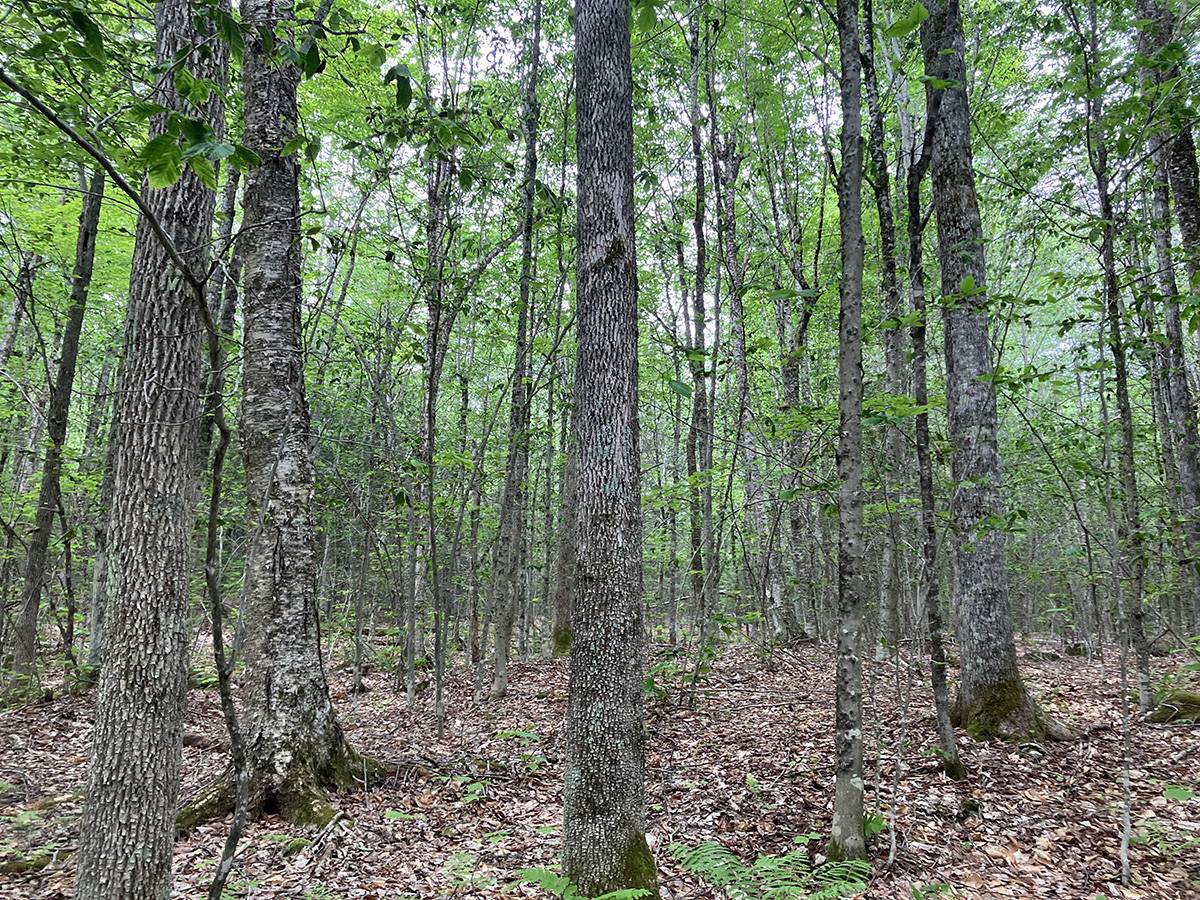
NEFF recently completed a sustainable timber harvest at Allen Whitney Memorial Forest in Manchester, Maine. The harvest balanced immediate improvements to forest health with long-term regeneration goals, demonstrating Exemplary Forestry in action.
To share this work with the community, NEFF hosted a woods walk at Allen Whitney Memorial Forest on Monday, September 22, 2025, at 9:00 a.m. A NEFF staff forester led the group through the forest, showing how careful management can strengthen forest health, support wildlife, and advance climate goals. The walk offered a chance to ask questions and see Exemplary Forestry in action. Keep an eye on our events page for future woods walks.
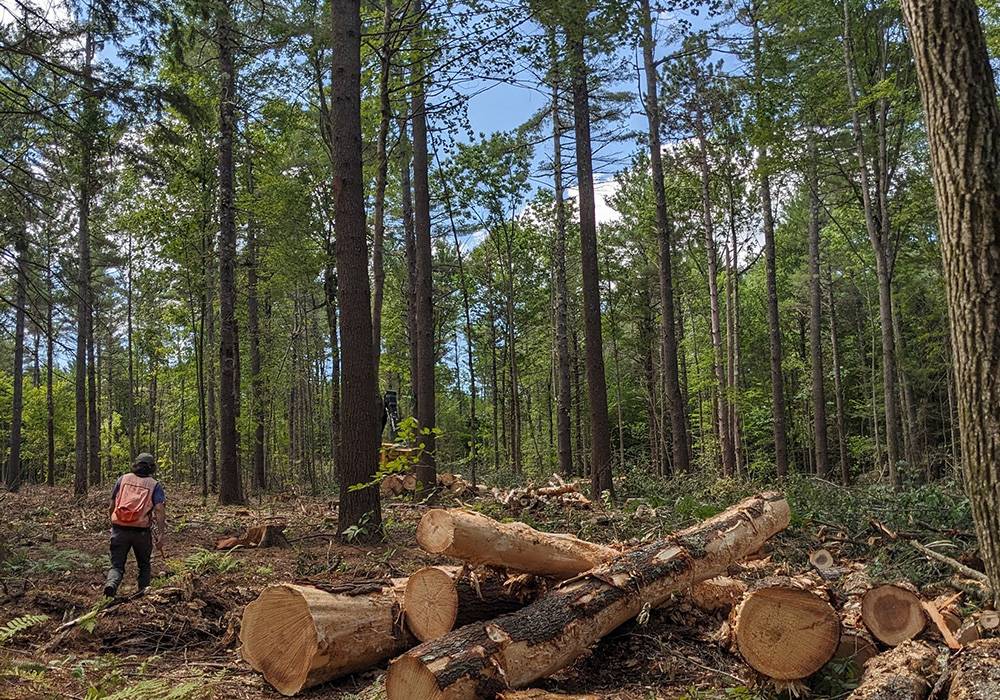
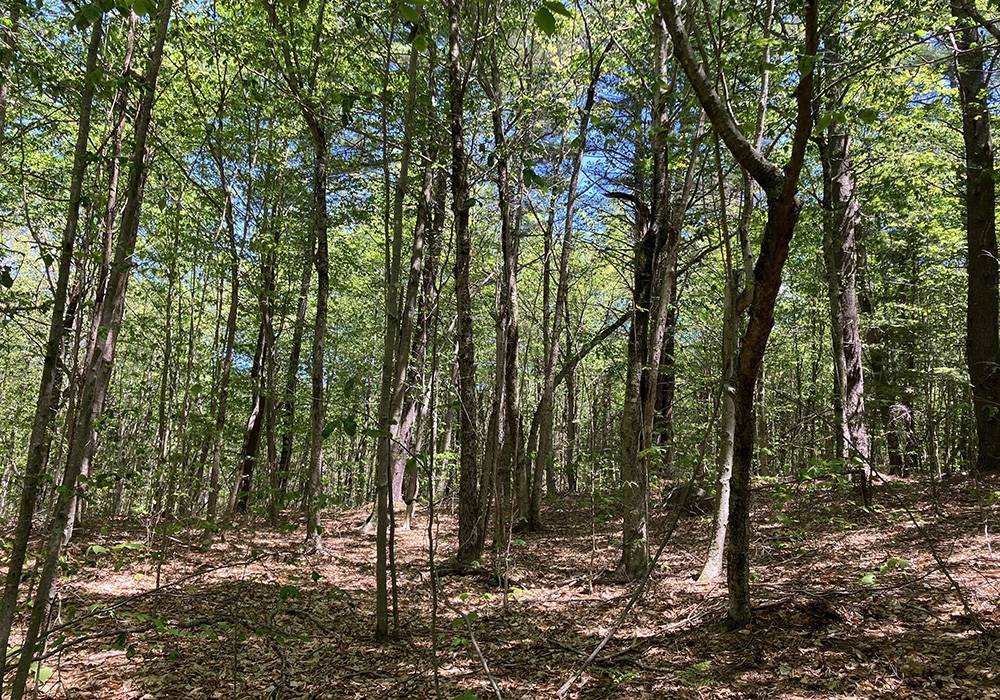
A central component of this harvest was reducing the amount of unhealthy trees. Before the harvest, the forest had a basal area of about 110, which is a way foresters measure how crowded a stand is by looking at the cross-sectional area of tree trunks in an acre. After thinning, the basal area is closer to 40–60, which provides the right amount of sunlight for seedlings while keeping the forest shaded and stable.
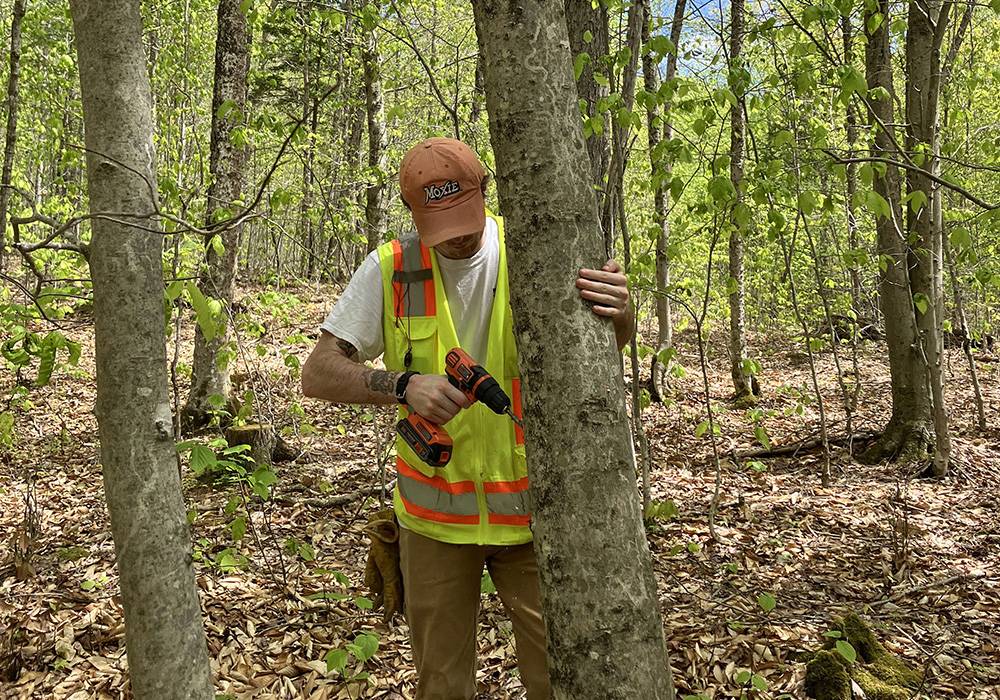
Much of the volume cut was diseased beech and low-quality ash. In advance of the harvest, all merchantable beech across roughly 70 acres was “drill-and-filled” with herbicide. This process involves drilling into the trunks and treating them so they cannot resprout — a major step toward controlling this aggressive species and preventing it from overtaking the forest. It represents a significant investment in timber stand improvement, a forestry practice focused on removing poor-quality or unhealthy trees to give healthier, more valuable species a chance to thrive.
The harvest also addressed striped maple, a native tree that often grows thickly in the understory. While not invasive, it can outcompete desirable species such as pine if left unmanaged. With the beech eliminated, NEFF will continue to manage striped maple so it does not dominate.
The long-term goal for this harvest is to regenerate white pine and red oak, two of New England’s most ecologically and economically important species. To achieve this objective, NEFF left pine trees standing at 20–30-foot spacing, selecting them based on crown health. Trees with at least 30 percent of their crown still alive and healthy were retained because their ability to produce seed and provide moderate shade is most important. Most of the red oak was retained.
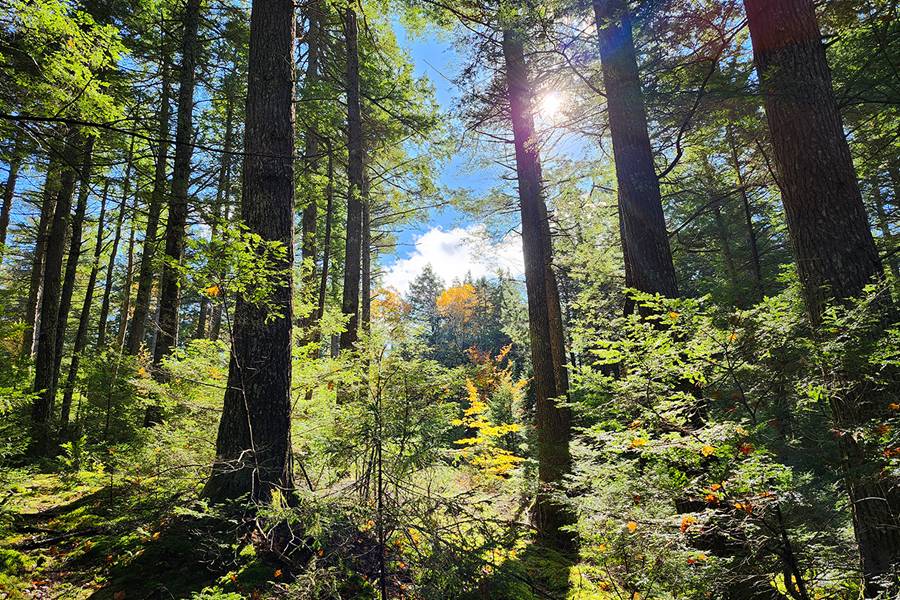
Many of the white pines will serve as permanent legacy trees. Legacy trees are long-lived trees intentionally retained within the forest. They provide seed sources, create wildlife habitat, and add structural diversity to the forest.
Future management may include returning in 2026 with a tractor to lightly disturb the soil (a process called scarification) to help pine seeds take root. If natural regeneration is insufficient, NEFF plans to plant white pine seedlings in the spring of 2027.
The harvest was carried out by a trusted contractor using a feller buncher, processor, and forwarder — a combination of machines that safely and efficiently cut, process, and transport wood.
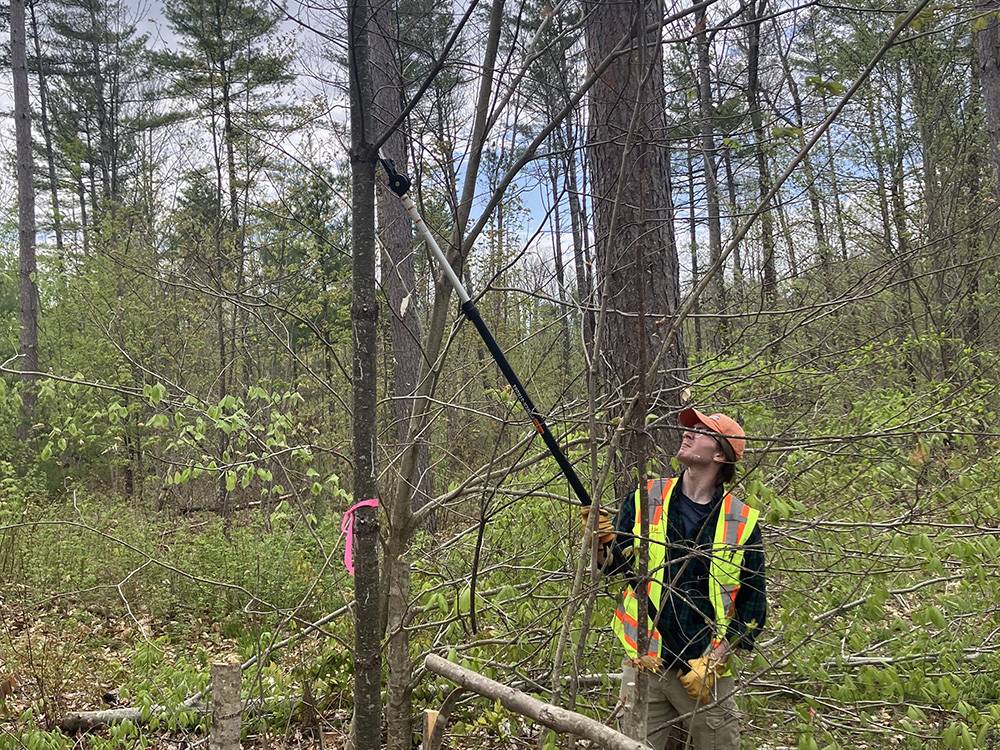
Timber harvesting wasn’t the only work completed on the property this summer. NEFF also conducted 30 acres of invasive species management that was impeding forest development and reducing tree and plant diversity. In these same areas, the practice of crop tree release was conducted through the use of both chainsaw and handheld foldable saws. Crop tree release is a forestry practice where foresters identify the best trees in a stand — called crop trees — and then remove or thin out the competing trees around them. By giving these crop trees more space, sunlight, and access to water and nutrients, they can grow stronger, healthier, and faster.
This harvest establishes the foundation for a healthier and more resilient Allen Whitney Memorial Forest. By investing in intensive timber stand improvement — including the extraordinary drill-and-fill effort across 70 acres — NEFF is removing unhealthy trees, supporting high-value white pine and red oak regeneration, and ensuring that this community forest continues to provide wildlife habitat, climate benefits, and sustainable wood products.
Allen Whitney’s story illustrates how Exemplary Forestry is put into practice: careful planning, forward-looking silviculture, and a commitment to both ecological and community values.