Ninth Forest Congress Wrap-Up
Jul. 22, 2025
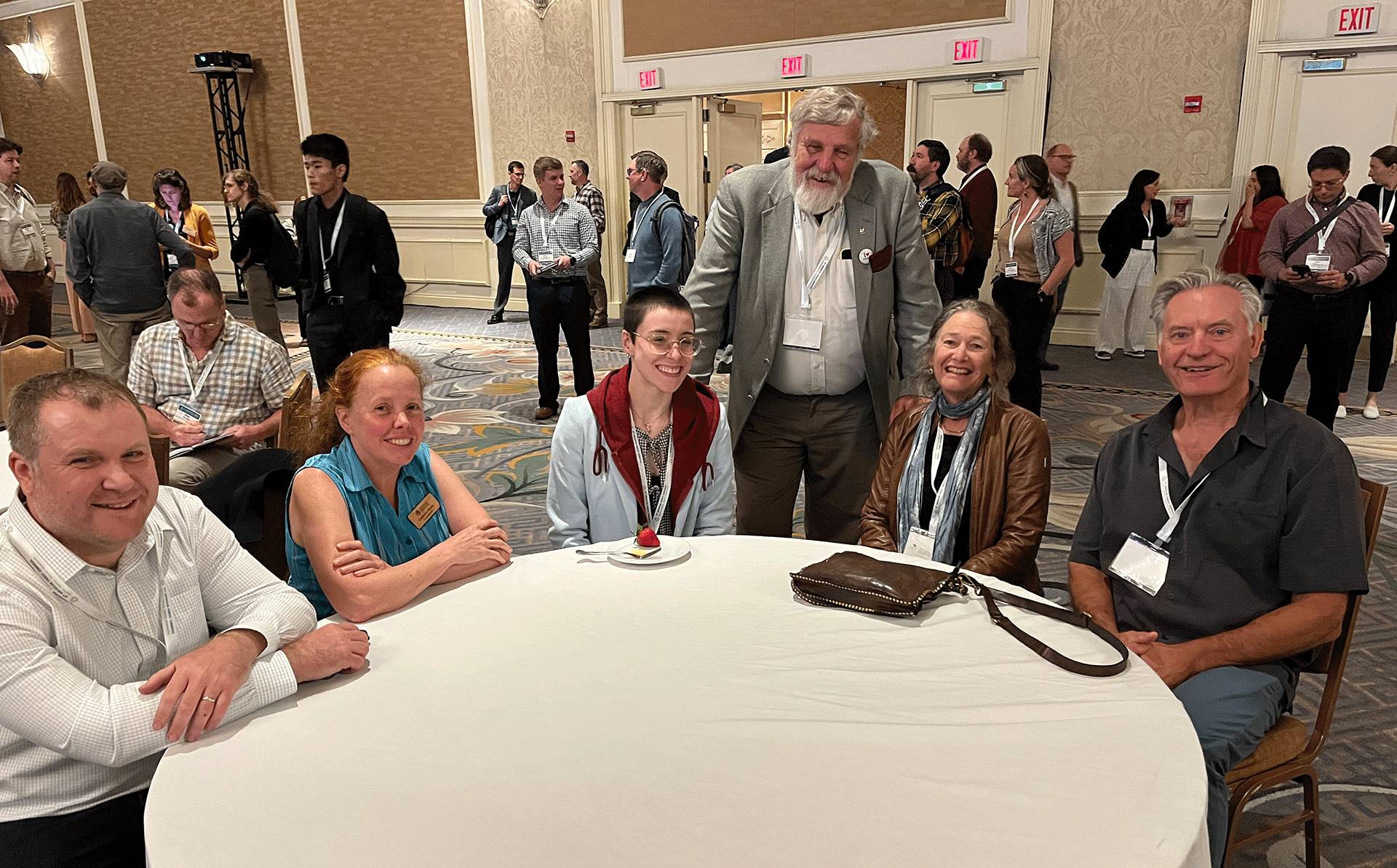
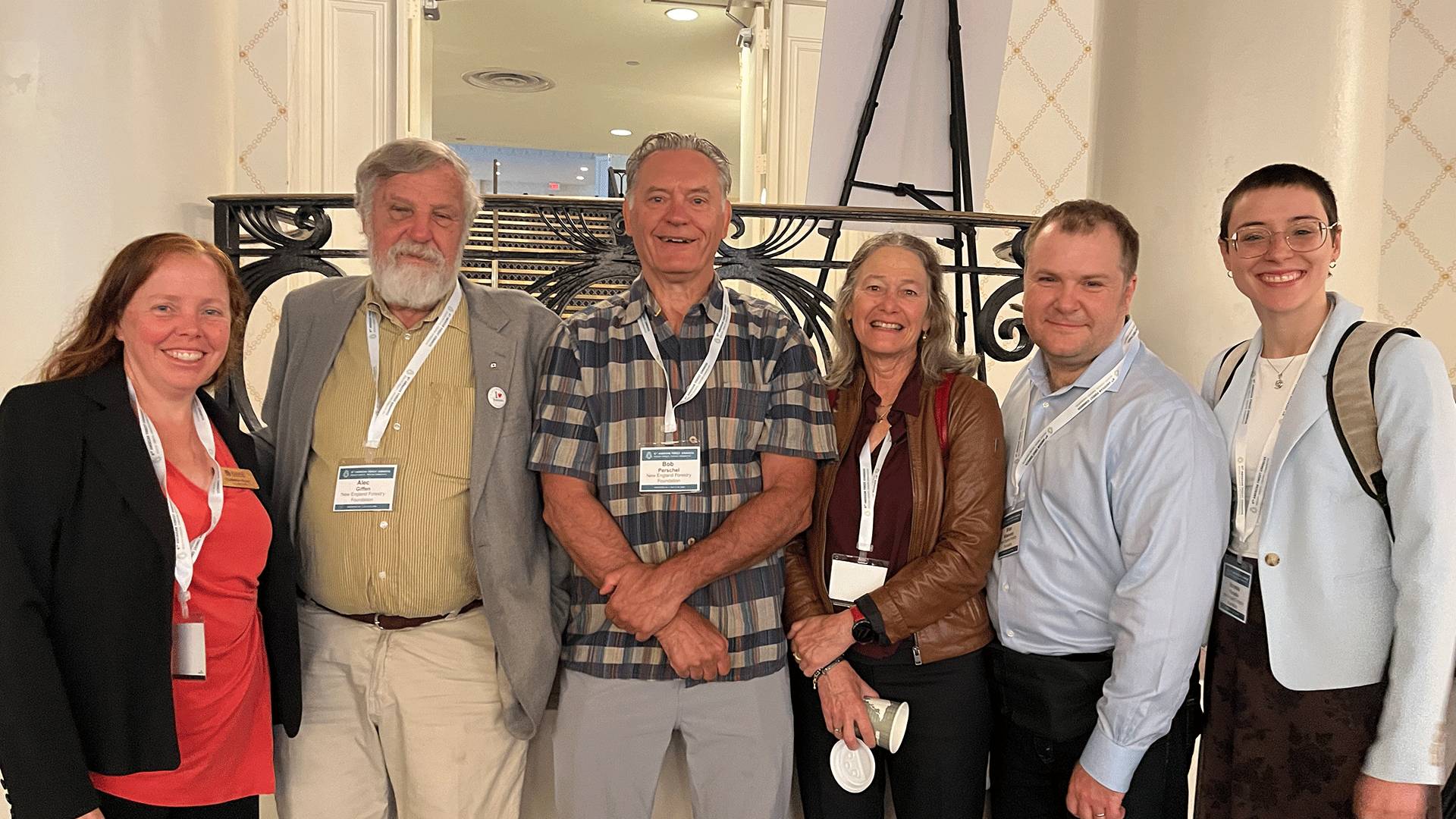
NEFF's Andi Colnes reflects on the team's week at the Ninth Forest Conference,…
Read More


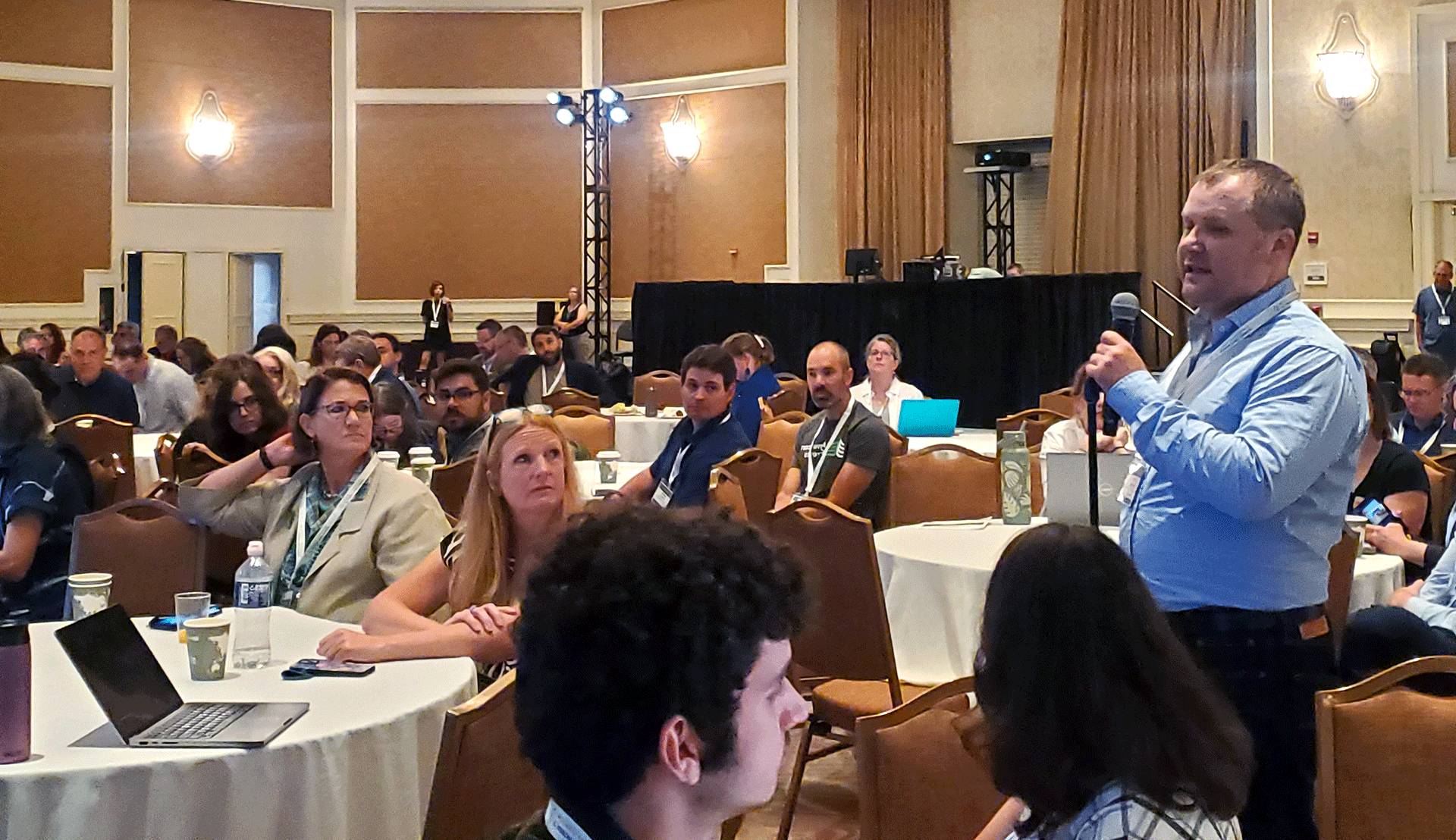
Here in D.C. on Day Three of the Ninth American Forest Congress, the action on draft resolutions is heating up. People are jockeying to muster support for their resolutions on topics from the use of AI in managing forest data to prioritizing biodiversity in forest management. There seems to be a lot of consensus about the challenges we face (wildfire, climate change, invasive pests and pathogens, lack of markets for low-value wood, lack of funding for needed management, lack of capacity to support forest management by small family forest owners, lack of public understanding about the value of forest management). But there is vibrant debate about the most important actions to take in response to these challenges.
NEFF has long understood the urgent challenge that climate change presents for forest managers and forest policy makers. We have been working to address this issue for more than a decade, with initiatives such as the Exemplary Forestry standards, the 30 Percent Solution, the original and current stages of the Forest Carbon for Commercial Landowners (FCCL) study.
Our most recent achievement was the publication in a respected peer-reviewed journal of a NEFF article arguing forcefully that climate adaptation and mitigation are essential elements of sustainable forestry that must be addressed in a holistic, systemic way based on the best available science.
As former NEFF Executive Director Bob Perschel explained so thoughtfully in his blog post introducing the Forest Congress, Forest Congresses are once-in-a-generation opportunities to assess the changing state of our forests and the challenges facing them, and to set priorities for action over the coming years and decades.
Climate change will shape the future of our forests for centuries, and, as we argue in our paper, the window to substantially alter the future climate trajectory is closing fast. We likely have only two to three decades left to make changes that could ward off the most dire consequences of climate change for forests and humanity. Thus, as we come together at the Ninth American Forest Congress to examine the current state of our forests and set shared goals, we must address this pressing issue.
The Forest Congress organizers have put forth a Draft Principle on climate that lines up well with NEFF’s basic position on forestry and climate:
“WHEREAS, participants acknowledge the growing impacts of a changing climate on forest composition, productivity, resilience, and economics. Participants support integrating climate considerations into forest management, conservation, and forest product development to respond to forecasted risks, enhance carbon capture and storage in forests and forest products, and advance the value of sustainable forest stewardship.”
However, NEFF seeks to go further, and motivate positive collective action around the issue of climate. We have introduced a resolution that follows on the argument that we make in our recent paper: in the current climate emergency, it’s not possible to practice sustainable forestry if you aren’t considering both the need for forests to adapt to climate change and the potential for forests to help us fight climate change.
Here’s the resolution we have proposed:
“RESOLVED: to ensure that sustainable forest management standards integrate climate mitigation and adaptation criteria, and to develop financial mechanisms to make climate-smart forest management profitable for landowners.”
We will be actively campaigning for this resolution for the rest of the Forest Congress, and hopefully we will build enough support to get this resolution passed. In the meantime, please read our paper for a full discussion of how we think about integrating climate issues into forest management and our recommendations for change.