The Whole Forest: A Unified Path for New England’s Landscapes
May. 19, 2026
A guest blog from Yale School of the Environment students
Read More


When a forester manages forests to be more resilient to climate change, they often use a type of forestry practice called intermediate thinning treatments to remove diseased, twisted, or smaller trees to reduce competition for sunlight and soil nutrients and make the remaining trees healthier. However, this is often unaffordable for forest landowners because there aren’t markets for — meaning, no one wants to buy — the low-quality or smaller-diameter trees that are mostly harvested for these treatments. One potential tool for solving this problem and providing landowners with a way to fund a climate-smart forestry practice is biochar.
Biochar is a type of charcoal made through the chemical decomposition of organic materials, such as wood biomass, by heating them in an oxygen-free environment to temperatures between 300-700 degrees Celsius (otherwise known as pyrolysis).

Biochar pile, Oregon Department of Forestry/CC BY 2.0, Wikimedia Commons
The term biochar has consistently come up in my work as NEFF’s Wood Sourcing Specialist. Why? Starting in the 2000s, researchers began investigating the potential of using biochar for fertilizer, soil remediation, water retention (soil’s capacity to hold water for plants), and several other beneficial uses. Cracking into these types of benefits could make a big difference for industries where soil contamination or depletion is an ongoing issue, such as agriculture. Thus, for this month’s blog post, I am going to have you tag along on my journey to understand this product, how it’s made, its benefits and limitations, and next steps for the industry.
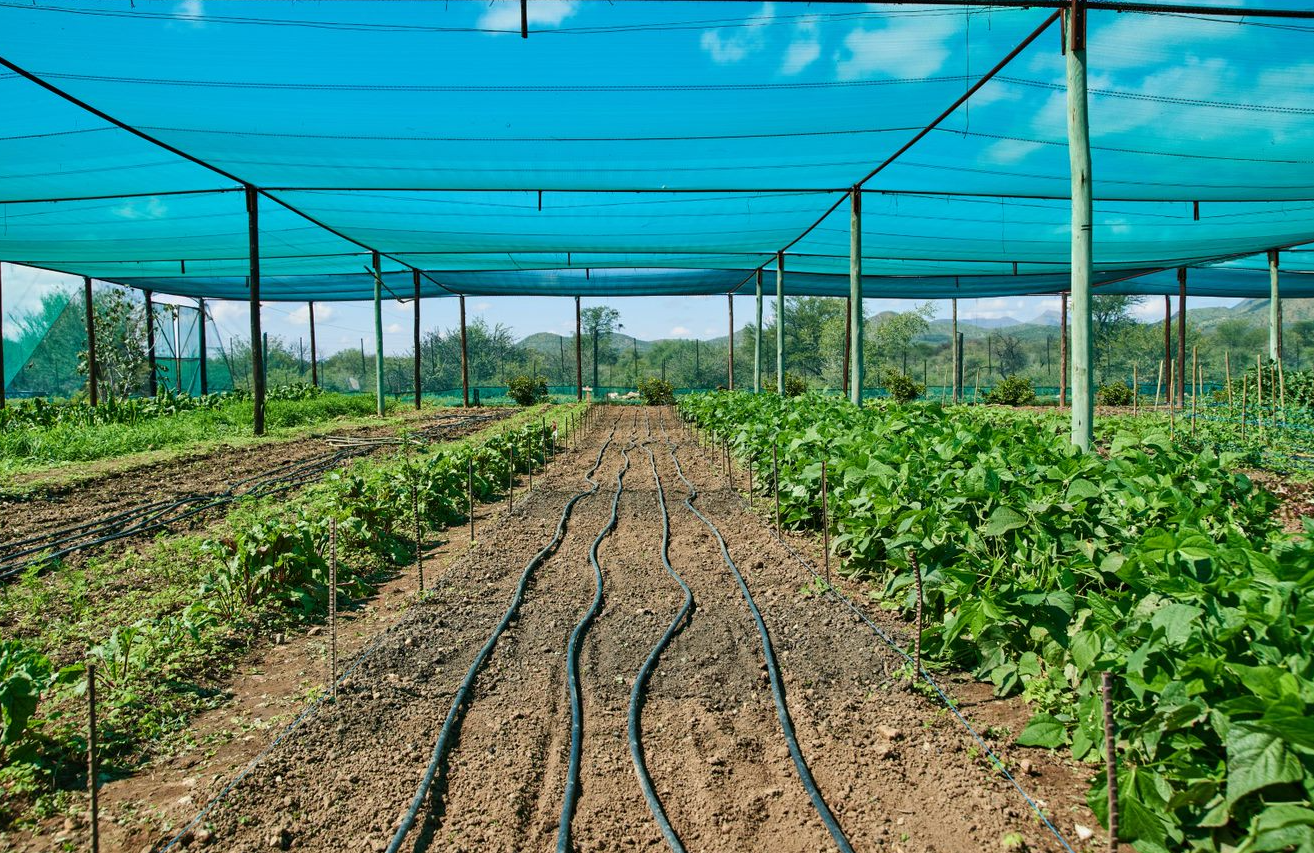
First, let’s take a closer look at who uses biochar, and what they accomplish with it. When you create biochar by burning wood, it ends up looking very similar in consistency to charcoal (AKA, smaller bits of black, ashy wood). This can then be applied to the soil to serve as a fertilizer or improve water holding capacity for plants by spreading over the surface of the soil, integrating it within soil potting mixes, or manually mixing it within the first 4-6″ of soil.
Thus, one primary consumer and user of biochar is farmers looking to improve crop yields or heal the soil from previous toxins or intensive crop practices. Another key user includes forest land managers who may use biochar to help create more water-rich soils before or after drought conditions strike in forestlands, or to help newly planted seedlings grow. Users may apply it annually or every few years depending on what starting condition their soils are in. Overall, biochar’s versatility and long-term benefits make it a valuable tool for land stewards across agricultural and forested landscapes.
How is biochar different from charcoal? In short, they are both made using a similar process of heating in oxygen-free environments. However, biochar is often made using higher temperatures, resulting in different physical properties that allow for a more stable, and highly porous structure more suitable for uses such as improving soil health.
However, biochar itself is a complex beast. This is because the effectiveness of its application depends on the interaction of over 14 types of variables, ranging from origin material (wood species, size, quality) to processing temperature (between 300-700°C) to the environmental conditions of where it’s applied (e.g. coarse, medium, or fine-textured soils). Now you can only imagine the number of factors that researchers and professionals must consider when manufacturing and/or applying biochar to the landscape. This is why there is so much variability in experimental outcomes. For example, there are instances in New England of trees containing arsenic (found in local soils and taken up by tree roots) or even copper (common in fruit trees due to fungicide applications) that would be toxic if used as biochar.
Another complication to the production of biochar is the associated emissions that come from burning down the woody material to get the finished product. While there have been advancements in equipment to target this issue, it needs to be better addressed in order to eventually achieve widespread adoption.
As indicated in previous paragraphs, biochar has a huge potential to benefit both the forest and agricultural sector. Here are just a few ways biochar benefits forests:
There are several barriers to getting the biochar industry well-established and growing throughout the US:
Ultimately, the forest industry is an exciting space to be in given its constant innovation in wood products. Although there is still a ways to go in standardizing the production and application of biochar, I am optimistic that this is one of the more promising wood product markets for Northeastern forests. There are currently several manufacturers in Maine and one in Vermont that I know of. As NEFF continues to work in advancing climate-smart and sustainable management on the landscape, as well as the bioeconomy, it is likely we may get more involved in this space in the coming years. In the meantime, thanks for reading.
-Vanessa